The Israel–US strikes on Iran have raised regional tensions, but Yemen’s Houthi movement has so far limited its response to public statements and demonstrations. Analysts interpret this restraint as a deliberate, tactical decision driven by fears of leadership decapitation after heavy losses last August. While the Houthis retain missile, drone and Red Sea attack capabilities, experts warn they could escalate if directly targeted or asked by Iran — a prospect that has left many Yemenis anxious and preparing for further instability.
Why Yemen’s Houthis Are Holding Back in the Israel–US Strikes on Iran — For Now
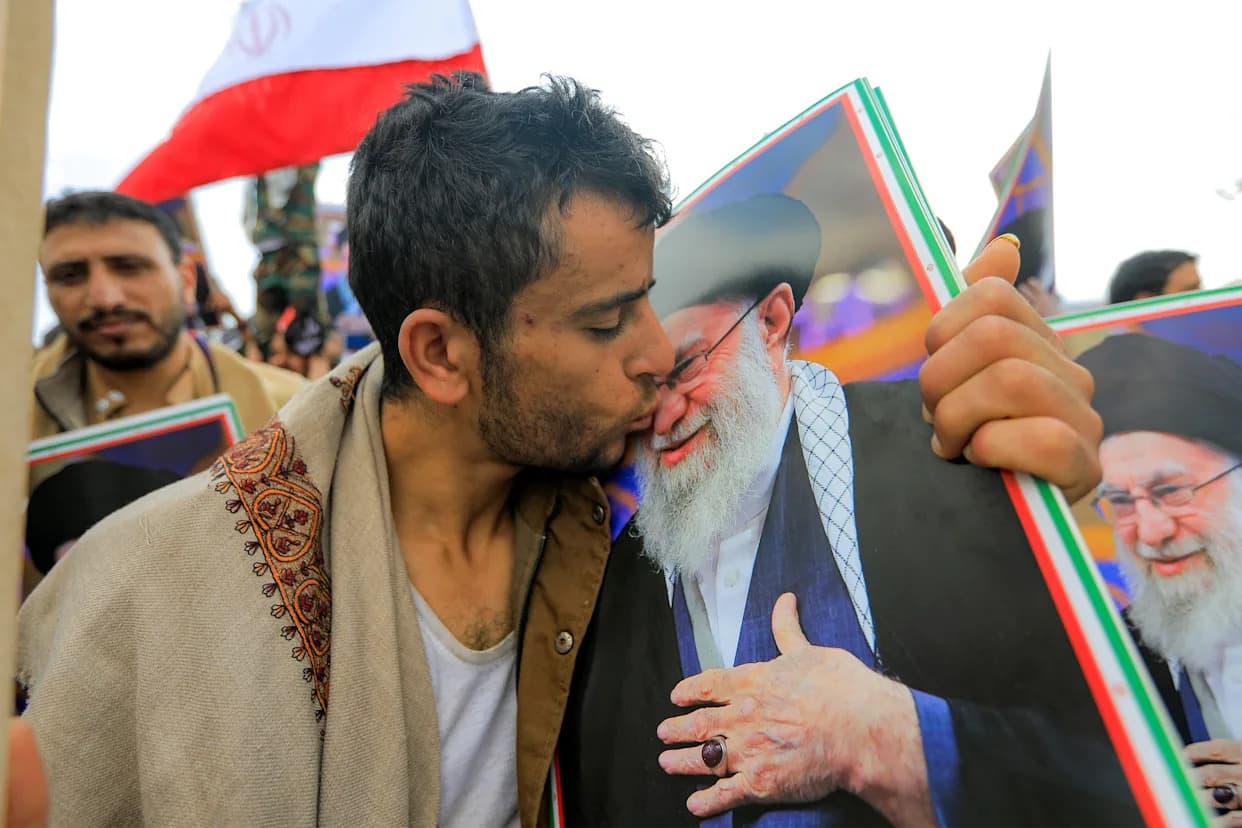
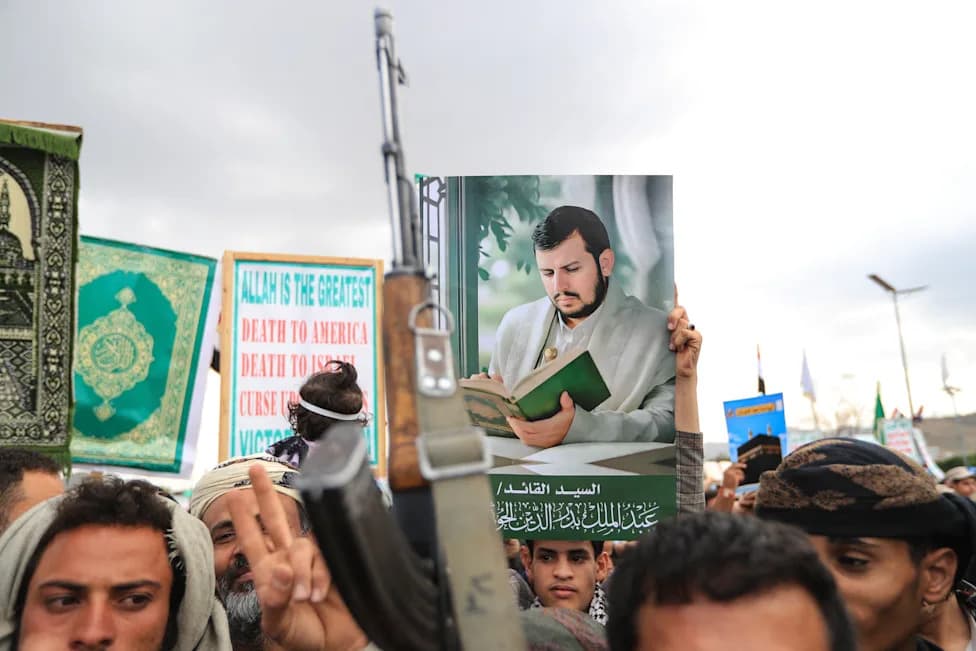
A man kisses a picture of Iran's former Supreme Leader Ali Khamenei during a memorial rally held by supporters of Yemen's Houthis, in the Houthi-held capital Sanaa on March 1, 2026 [File: AFP]
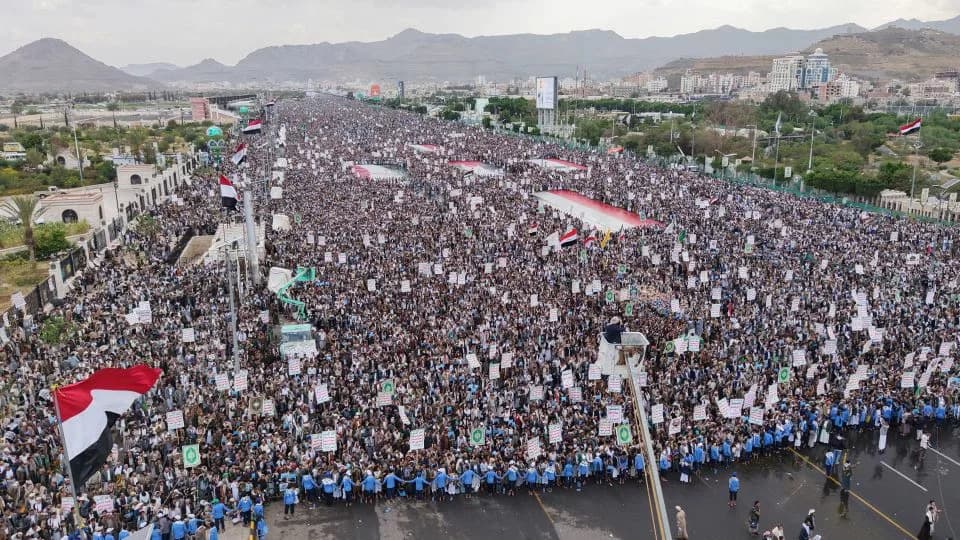
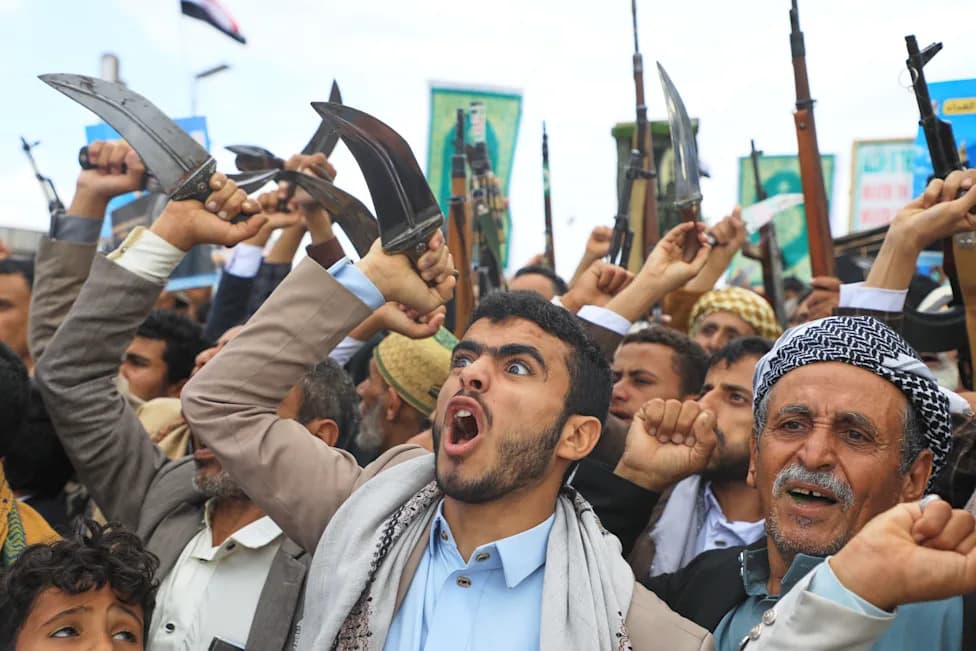
Sanaa, Yemen — The recent Israel–US strikes on Iran have reverberated across the Middle East, elevating tensions from Tehran to several Arab capitals including Abu Dhabi, Doha, Kuwait City, Manama and Beirut. Yet Yemen has remained surprisingly quiet: the Houthi movement, the Iran‑aligned de facto authority in northwestern Yemen, has so far limited its response to rhetoric and mass protests.
In the week after the US–Israeli strikes that began on February 28, Houthi leaders publicly expressed solidarity with Tehran but stopped short of military escalation. Analysts say that restraint appears deliberate — a tactical pause intended to preserve leadership and forces rather than permanent abstention.
Why the Houthis Are Cautious
Last August, Israeli strikes in Sanaa killed at least 12 senior Houthi officials, including Prime Minister Ahmed al‑Rahawi and Chief of Staff Mohammed al‑Ghumari — losses among the most consequential the movement has suffered in recent years. Those attacks, together with follow‑on operations, have reportedly made Houthi leaders more wary of exposing their command structure and population centers to large‑scale aerial retaliation.
“Houthi intervention remains a possibility, and it could take the form of a phased escalation,” Luca Nevola, senior analyst for Yemen and the Gulf at the ACLED conflict monitor, told Al Jazeera. “At the current stage, the main Houthi priority remains avoiding direct US and Israeli retaliation.”
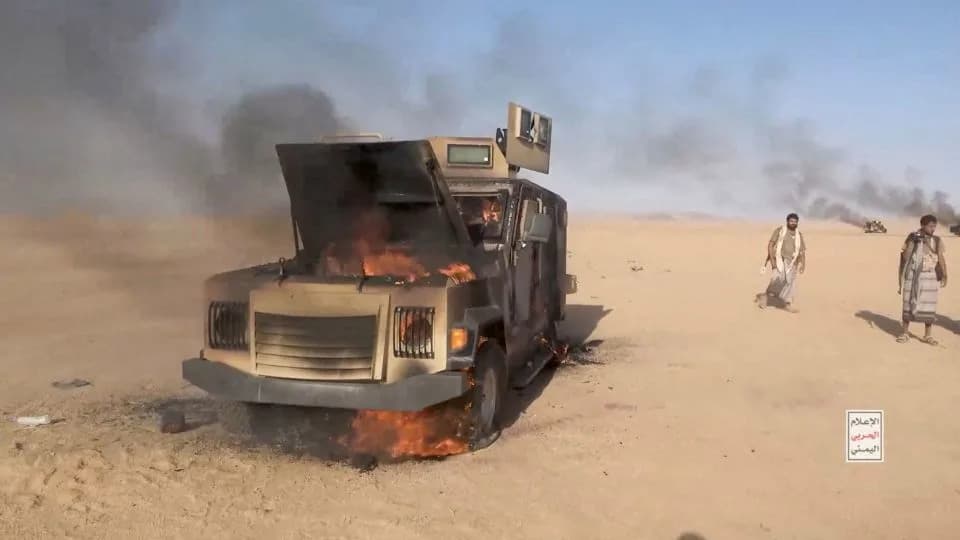
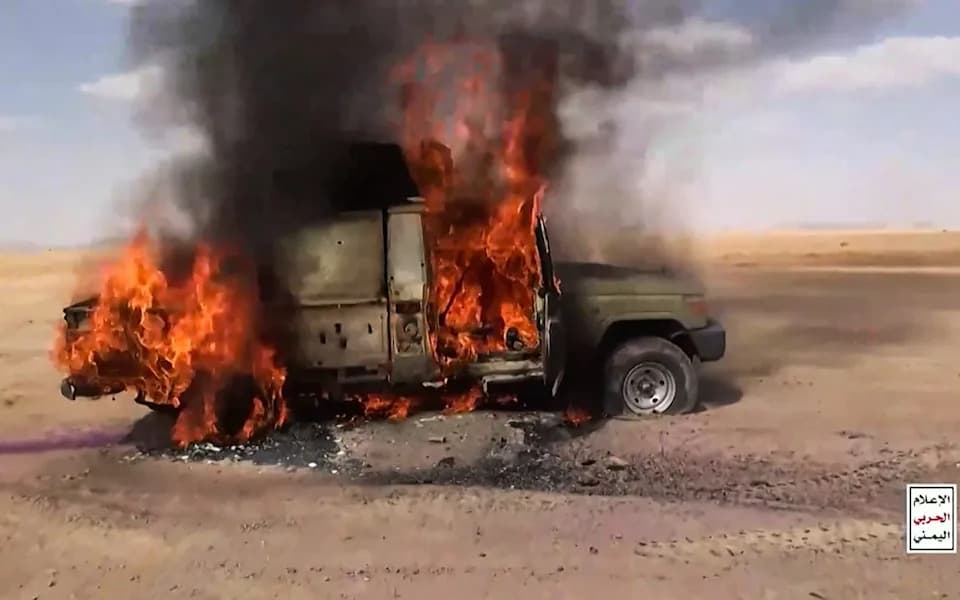
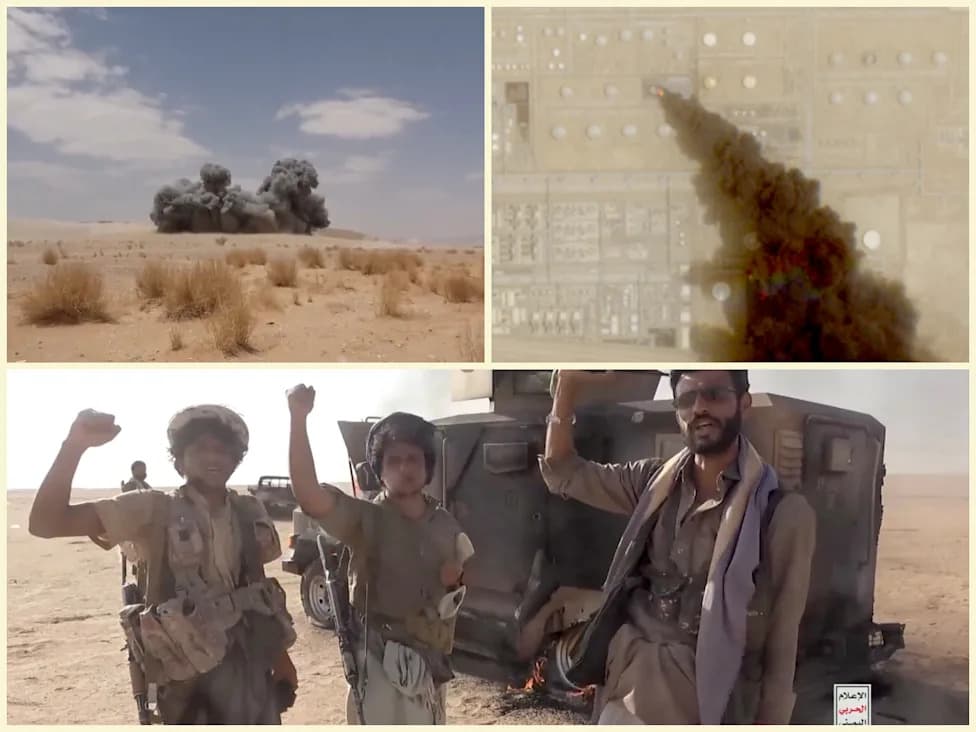
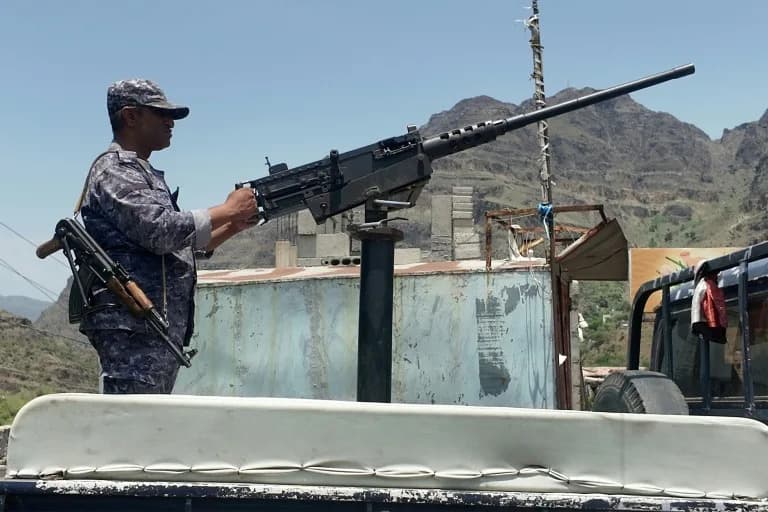
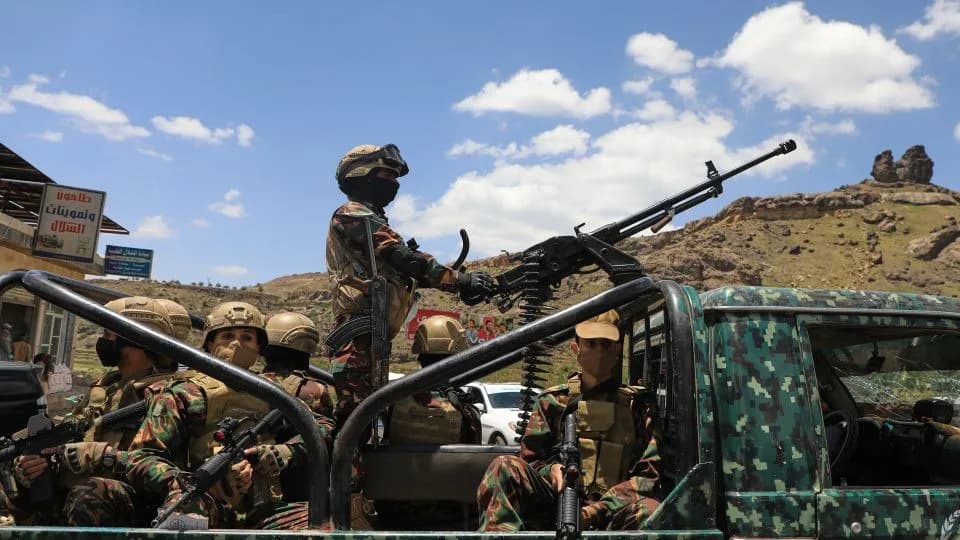
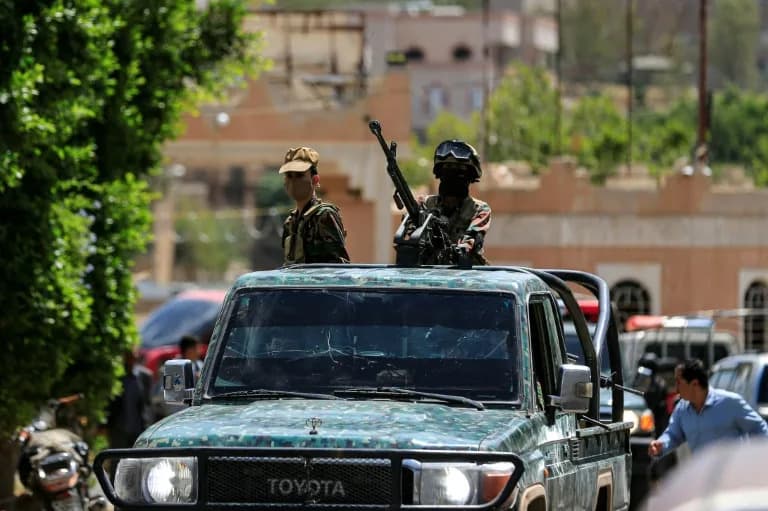
Analysts argue the Houthis retain combat capabilities — including long‑range drones and missiles and a demonstrated ability to attack shipping in the Red Sea — but are weighing risks carefully. Commentators suggest the movement is prioritising leadership survival and operational continuity over immediate, high‑risk retaliation.
Potential Paths To Escalation
Experts say several scenarios could trigger Houthi military action: direct strikes on Houthi territory or leadership by the US or Israel; a formal request from Tehran for coordinated action; or a renewed domestic offensive by anti‑Houthi forces within Yemen.
“The Houthis would likely resume attacks if they were directly drawn into the conflict, either through US or Israeli strikes or through a renewed domestic advance by anti‑Houthi forces in Yemen,” Nevola said.
Local commentators add that Tehran may be conserving proxy options for later phases of the conflict, keeping the Houthis as one potential lever. Adel Dashela, a Yemeni researcher and non‑resident fellow at Mesa Global Academy, says the Houthis also want to preserve an image of independence rather than appearing to act purely on Iranian orders.
Capabilities And Regional Impact
Between late 2023 and 2025 the Houthis mounted a campaign of attacks against commercial shipping in the Red Sea. That campaign killed at least nine mariners and sank four ships, disrupting a corridor that previously handled roughly $1 trillion in goods annually.
Analysts warn the cumulative barrage of Iranian missiles and strikes on regional targets could stretch air‑defence systems. In that environment, Houthi long‑range drone and missile strikes against Gulf states or Israel could become more destructive, they say, further straining defences and opening a potential southern front.
Strategic Risks For The Houthis
The recent US–Israeli operations have removed many Iranian political and military leaders in a short period — an outcome that could weaken Tehran and, by extension, its regional proxies. Observers warn that any significant disruption to Iranian military support and weapons flows would pose a serious challenge to Houthi military capacity in Yemen.
“The group will be militarily affected as the flow of smuggled Iranian weapons to Yemen will shrink or entirely cease. This is a formidable challenge for the group,” said Sadam al‑Huraibi, a Yemeni political commentator.
A 2022 United Nations panel reported that thousands of seized weapons likely originated from a single Iranian port and that boats and land transport had been used to move arms from producers in Russia, China and Iran into Yemen — a claim Tehran has repeatedly denied.
Public Mood In Yemen
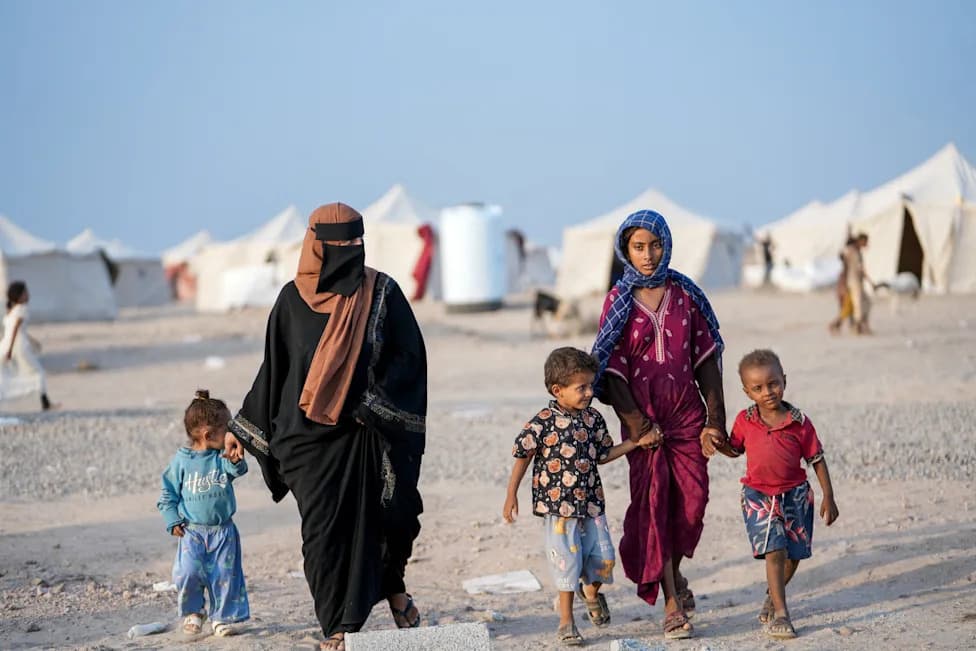
At street level, the strikes on Iran have produced widespread anxiety. Many Yemenis have been stockpiling essentials amid fears of escalation. Mohammed Yahia, a 28‑year‑old Sanaa resident, said he prepared food and fuel for his family after the strikes, expecting the fighting to reach Yemen quickly — a prediction that has not yet materialised.
“I thought the air strikes on Sanaa would begin within hours,” Yahia said. “Ultimately, it is the Houthis who will decide whether Yemen enters this conflict.”
Outlook
The Houthis’ current restraint appears tactical: they remain aligned with Iran politically but are avoiding immediate confrontation that could invite devastating retaliation. Should the conflict widen or the movement feel directly threatened, analysts warn the Houthis have the means to escalate — particularly at sea and via long‑range strikes — making their next moves a critical variable in regional stability.
Help us improve.