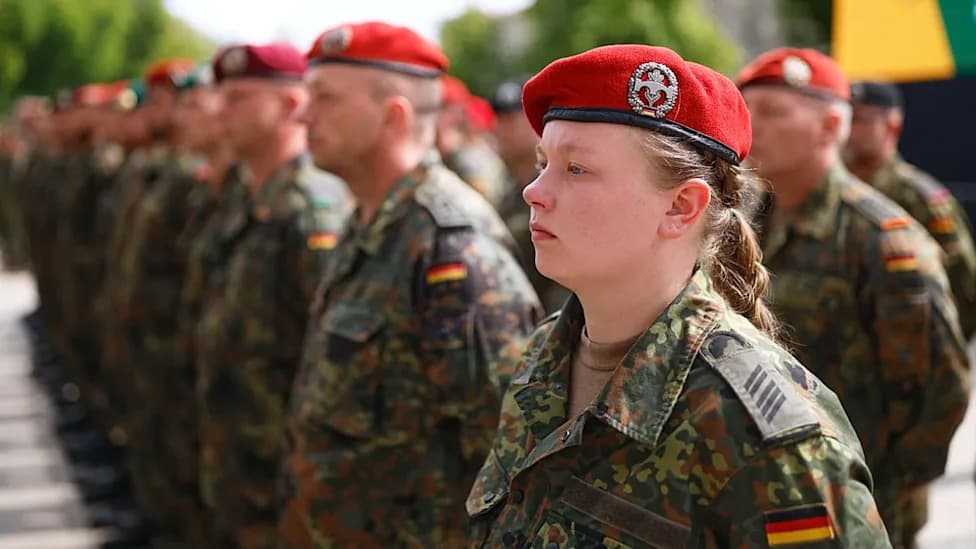
Croatia has reintroduced mandatory military service after 17 years, starting with 800 recruits who began two-month basic training. The defence law was amended in October amid broader European security concerns related to tensions with Russia. More than half of the first intake volunteered, about 10% are women and only 10 people filed conscientious objections. Training covers survival, self-defence, first aid and FPV drone operation, and recruits receive a €1,100 monthly allowance plus work-record credit and public-sector priority.
Croatia Reintroduces Mandatory Military Service After 17 Years as Security Concerns Rise
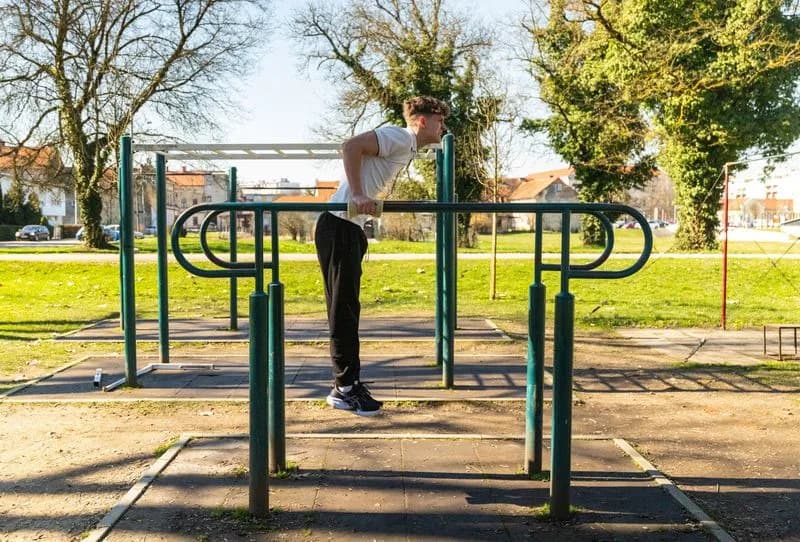
Leon Dejanovic, 18, works out in Karlovac, Croatia, February 26, 2026. REUTERS/Antonio Bronic
KARLOVAC, Croatia — Croatia has resumed compulsory military service for the first time in 17 years as part of a wider effort to strengthen security across Europe and the Western Balkans.
On Monday, 800 recruits began a two-month basic training program at military facilities around the country after the government amended the defence law in October to reintroduce conscription. The change reflects broader European trends and growing concerns about regional security following heightened tensions with Russia.
Scope and Targets. The government plans to call about 4,000 conscripts each year. More than half of the first intake volunteered for the program and roughly 10% of the group are women. Only 10 people have filed conscientious objections and requested civilian service instead — a level academics say is the lowest share in Europe.
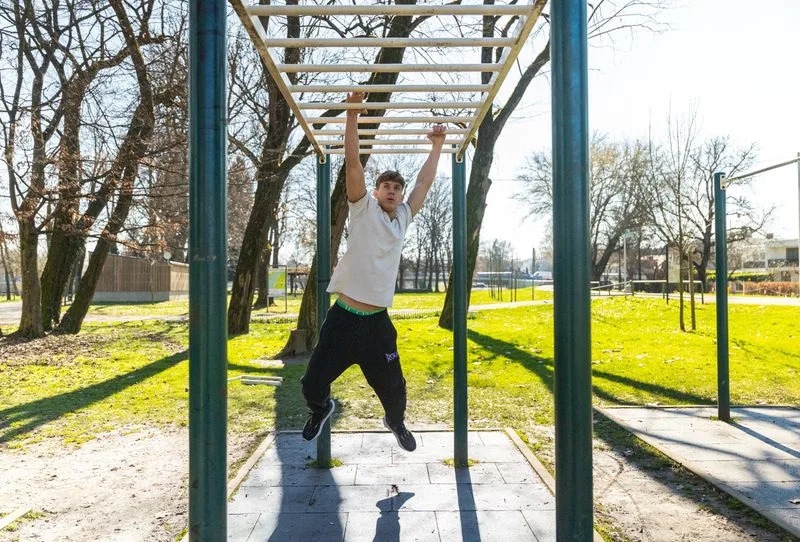
Leon Dejanovic, 18, works out in Karlovac, Croatia, February 26, 2026. REUTERS/Antonio Bronic
What Recruits Will Learn. New conscripts will receive instruction in basic survival skills, self-defence, first aid and FPV (first-person view) drone operation, reflecting an emphasis on both traditional soldiering and modern reconnaissance capabilities.
“Honestly, I cannot wait to be without my cell phone for a while because I am on my cell phone all day for my job,” said 18-year-old internet influencer Leon Dejanovic, who will begin training in May and is expected to be among the roughly 4,000 annual conscripts.
Not all young people are supportive. Josip Franjo Cvitesic, a 19-year-old factory worker, said he had not yet been called up and opposed the policy because of concerns it could disrupt his job and income.
Incentives and Benefits. The program offers a monthly allowance of €1,100 (about $1,272), credit toward employment records and preferential consideration for public-sector jobs — measures intended to make short-term conscription more attractive and less disruptive to civilian careers.

Leon Dejanovic, 18, works out in Karlovac, Croatia, February 26, 2026. REUTERS/Antonio Bronic
Regional Context. With Croatia’s move, ten NATO members now maintain some form of mandatory military service, joining Greece, Turkey, Finland, Sweden, Norway, Denmark, Estonia, Latvia and Lithuania.
($1 = 0.8648 euros)
(Reporting by Antonio Bronic; writing by Daria Sito-Sucic; editing by Sharon Singleton)
Help us improve.