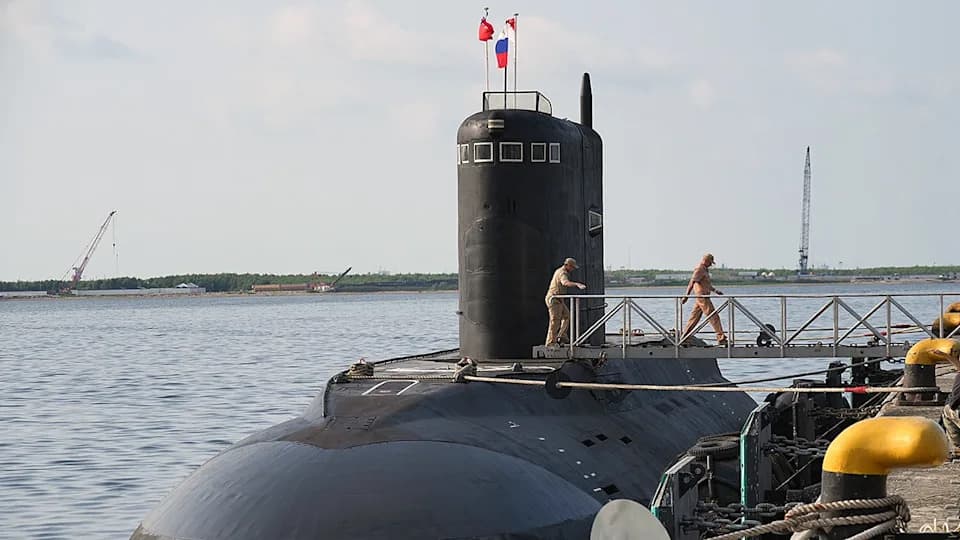
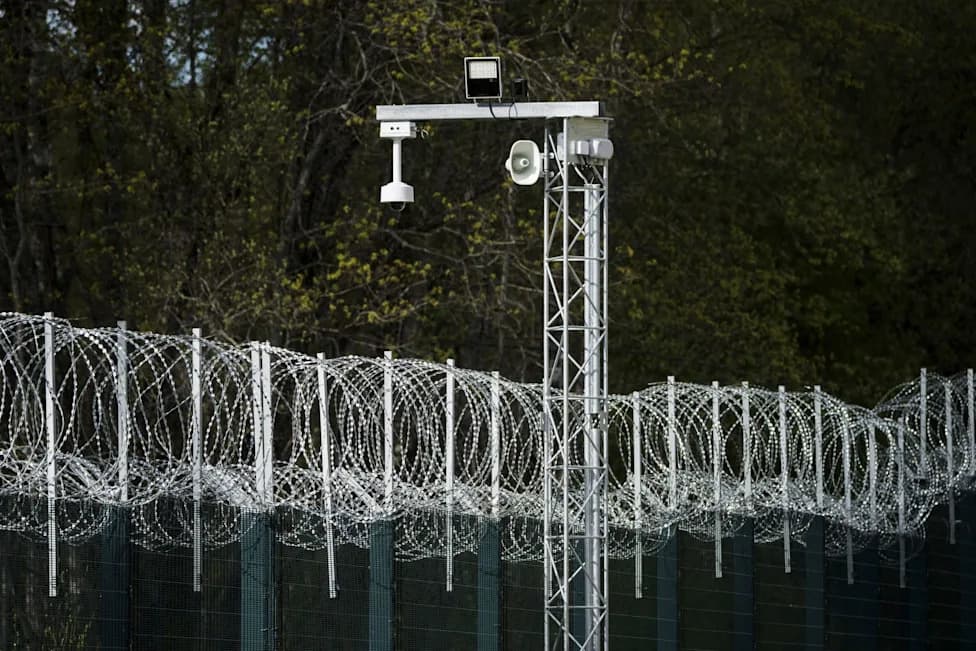
Russia warned it would respond if Finland allows nuclear weapons on its territory, saying such a move would increase Helsinki's vulnerability and escalate tensions. Finland plans to lift a long-standing ban to participate in NATO nuclear planning, though its president says the change is not prompted by an immediate threat. France has proposed expanded nuclear cooperation in Europe, which Moscow called destabilising.
Russia Warns Finland Hosting Nuclear Arms Would Make It More Vulnerable
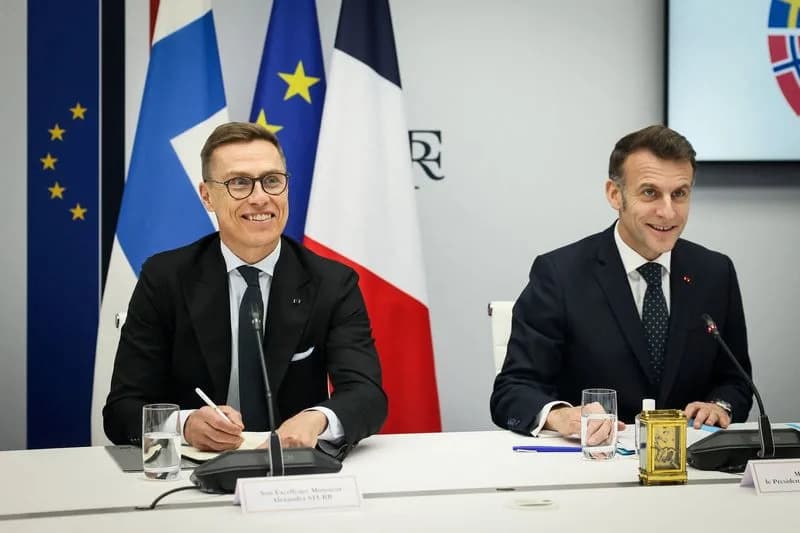
FILE PHOTO: French President Emmanuel Macron and Finland's President Alexander Stubb attend a Nordic-Baltic Eight (NB8) work video conference at the Elysee Palace in Paris, France February 23, 2026. Thomas Padilla/Pool via REUTERS/File Photo
By Dmitry Antonov
MOSCOW, March 6 (Reuters) - Russia warned on Friday that it would take measures if Finland allowed nuclear weapons to be stationed on its soil, saying such a step would increase Helsinki's vulnerability and risk escalating tensions across Europe.
The Kremlin's comments followed Finland's announcement that it plans to lift a long-standing ban on hosting nuclear arms so it can fully participate in NATO's nuclear planning — a change that could permit the placement of such weapons on Finnish territory during wartime.
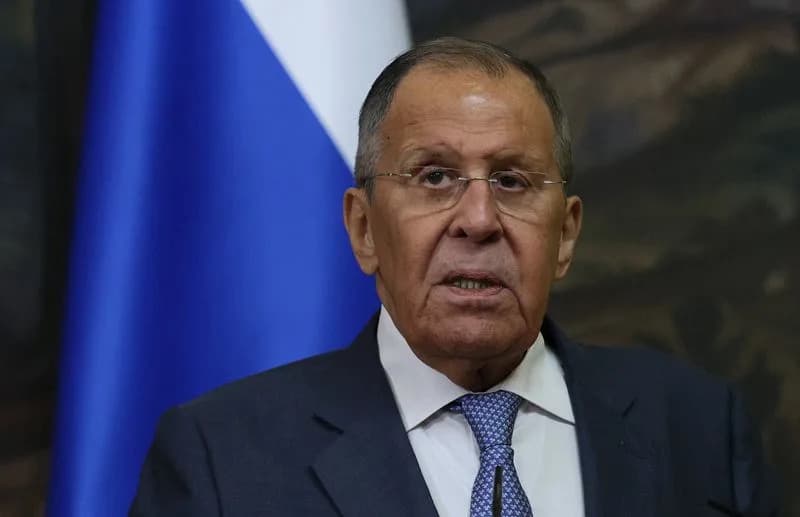
"This is a statement that leads to an escalation of tensions on the European continent," Kremlin spokesman Dmitry Peskov told reporters. He added: "By deploying nuclear weapons on its territory, Finland is beginning to threaten us. And if Finland threatens us, we take appropriate measures."
Why Finland Is Changing Its Policy
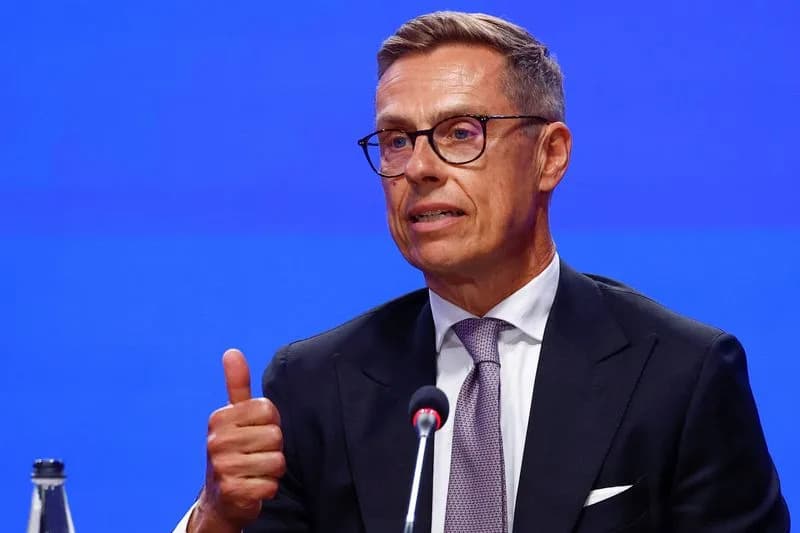
Finnish President Alexander Stubb, speaking during a visit to India, said the move is not driven by any immediate or acute threat but by the desire to participate fully in NATO's nuclear planning. Stubb stressed Finland does not want nuclear weapons permanently stationed on its soil and is aligning its policy with other Nordic allies.
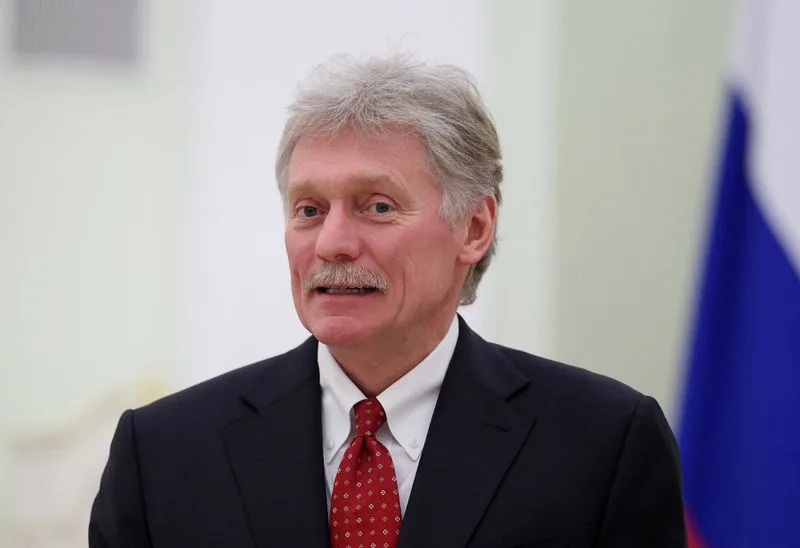
Kremlin spokesman Dmitry Peskov attends a meeting of Russian President Vladimir Putin with Palestinian President Mahmoud Abbas at the Kremlin in Moscow, Russia, January 22, 2026. REUTERS/Ramil Sitdikov/Pool
Regional Reactions And Context
Neighboring Sweden maintains a peacetime doctrine of not hosting permanent foreign troops or nuclear arms, Prime Minister Ulf Kristersson said, although he acknowledged that policy language could change under drastically different security conditions. The shifts by Finland and Sweden are notable given both countries' Cold War neutrality and their recent NATO accession — Finland in 2023 and Sweden in 2024 — following Russia's large-scale invasion of Ukraine. Finland shares a 1,340 km (830-mile) border with Russia.
France has proposed expanding its nuclear arsenal and offering broader nuclear cooperation with European partners, including opening up participation in French nuclear exercises. Paris and Berlin have also set up a nuclear steering group to discuss deterrence. Moscow described President Emmanuel Macron's announcement as an "extremely destabilising development."
Moscow's Deterrence Messaging
Russia has on multiple occasions used veiled nuclear warnings to deter Western intervention in support of Ukraine during the four-year conflict. Kremlin officials say they will respond to any perceived threats to Russian security, while NATO and its newer members argue that adjustments to nuclear planning are part of collective deterrence.
(Additional reporting by Anne Kauranen and Essi Lehto in Helsinki; writing by Mark Trevelyan; editing by Gareth Jones)
Help us improve.