Health Secretary Robert F. Kennedy Jr. announced an initiative urging U.S. medical schools to provide 40 hours of nutrition education (or an equivalent competency) beginning in autumn 2026. Fifty-three schools have signed on so far; institutions that refuse could face reductions in federal funding while adopters may receive public recognition. The plan requires schools to assess current offerings, appoint a faculty lead, and publish an implementation webpage. The effort has drawn both support and criticism and comes amid broader debate over Kennedy's public-health positions.
RFK Jr. Pushes Medical Schools To Adopt 40 Hours Of Nutrition Training
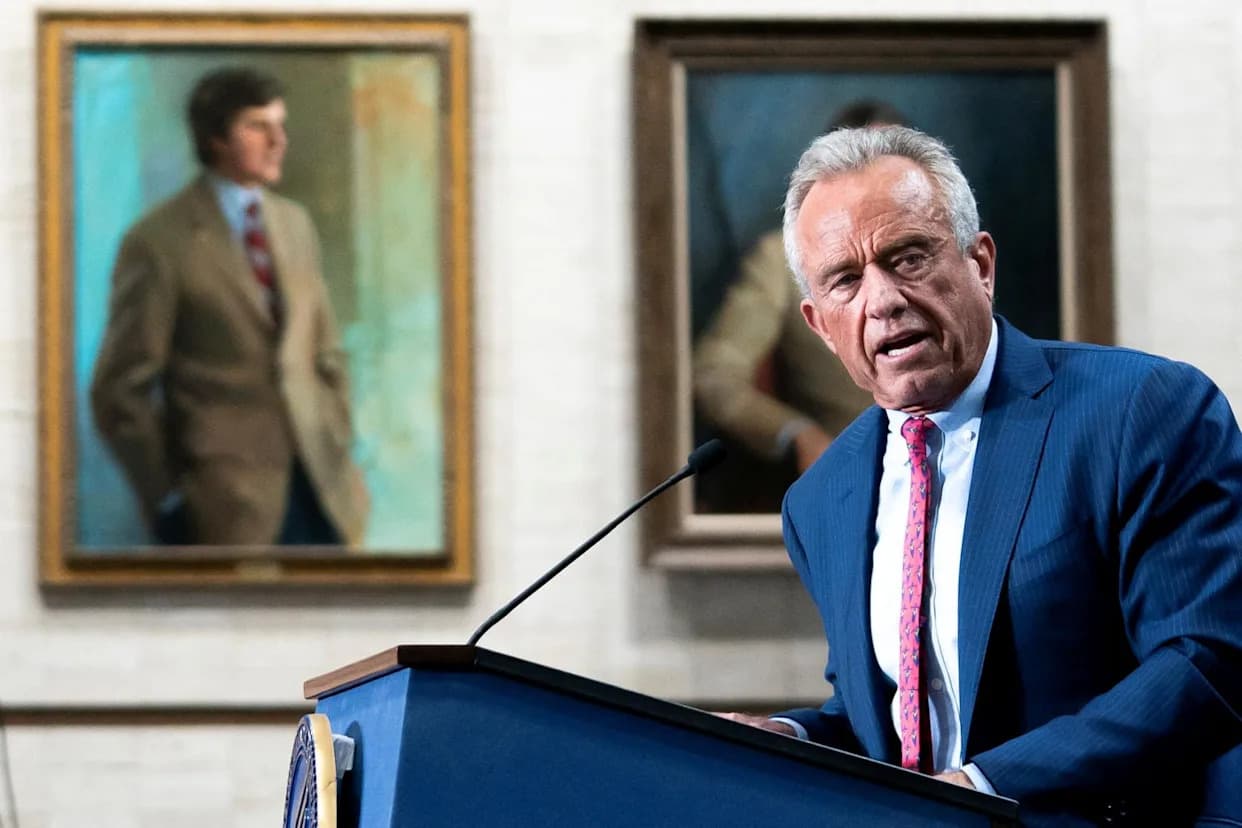
Robert F Kennedy Jr at a press conference at the HHS headquarters in Washington DC on 23 February 2026.Photograph: Nathan Howard/Reuters(Photograph: Nathan Howard/Reuters)
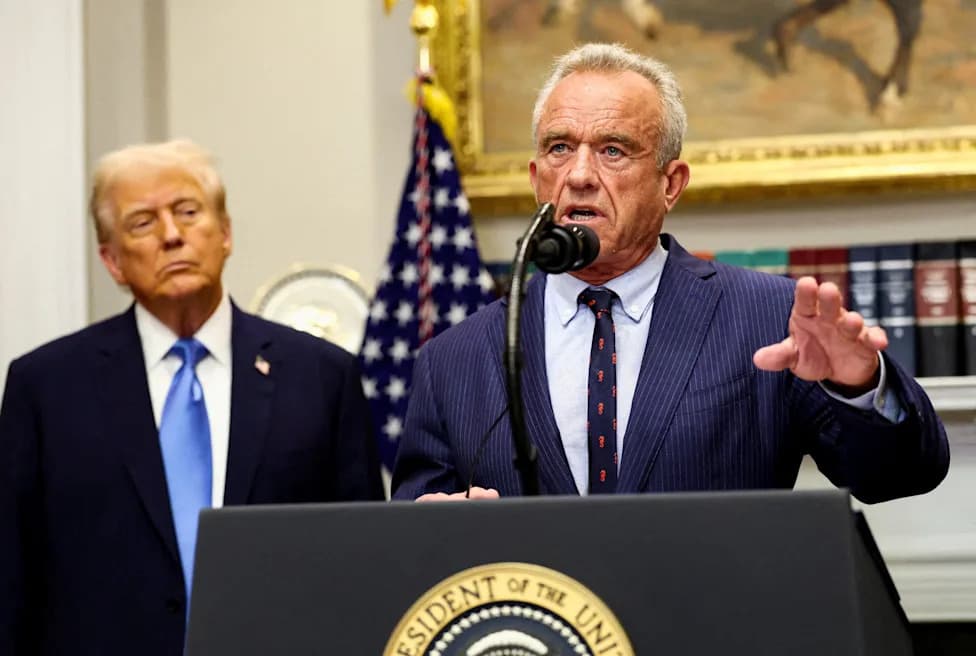
Health Secretary Robert F. Kennedy Jr. on Thursday unveiled a federal initiative asking U.S. medical schools to significantly expand nutrition education for future physicians. Kennedy said participating institutions will provide 40 hours of nutrition instruction — or a competency equivalent — beginning in autumn 2026.
What the Plan Requires
Under the initiative, medical schools that join are asked to:
- Assess current nutrition instruction and identify gaps;
- Designate a faculty lead responsible for overseeing nutrition curricula;
- Publish a public webpage describing how the school will reach the 40-hour training target;
- Deliver 40 hours of nutrition education (or an equivalent competency) to medical students starting autumn 2026.
Participation, Incentives and Pushback
Senior officials at the U.S. Department of Health and Human Services said 53 medical schools had voluntarily joined the program as of Thursday morning. Kennedy warned that institutions refusing to adopt the changes could face reductions in federal funding, while those that comply may receive public recognition.
The initiative draws schools from both Republican- and Democratic-leaning states. Named participants include the University of Alabama at Birmingham, the University of Florida, the University of Kentucky, the University of Oklahoma and Texas Tech University, with additional participants reported to include UC Irvine, George Washington University, New York University and Tufts University. Several prominent universities that previously negotiated funding-related agreements with the administration — including Brown, Columbia and Cornell — opted not to join.
Context And Controversy
Kennedy has long argued that physicians receive too little training in nutrition, which he says contributes to a healthcare model that relies heavily on medication rather than diet-based prevention. Many experts describe that framing as overly simplistic. Kennedy has also faced criticism from doctors and researchers for views on other public-health topics, notably vaccines, which some critics have called conspiratorial or lacking scientific basis.
In recent remarks, Kennedy said regulators might challenge certain high-sugar products if companies cannot demonstrate safety, singling out two major coffee chains as examples.
Whether the pledge of 53 schools will translate into consistent, high-quality nutrition curricula remains to be seen. Observers say the effectiveness of the initiative will depend on the content, integration into clinical training, and long-term institutional commitment — not just the number of hours taught.
Help us improve.