The Justice Department has proposed a draft rule allowing the U.S. Attorney General to review allegations against current and former DOJ lawyers and request state bar authorities pause their investigations while the department completes an internal review. The change, signed in draft form by Attorney General Pam Bondi, would also bar DOJ attorneys from assisting state probes until the review concludes and will be open for 30 days of public comment. Supporters say it prevents politicized probes; critics warn it could delay accountability, particularly for lawyers tied to President Trump.
DOJ Draft Rule Would Let Attorney General Pause State Bar Ethics Probes, Raising Concerns About Shielding Trump Allies
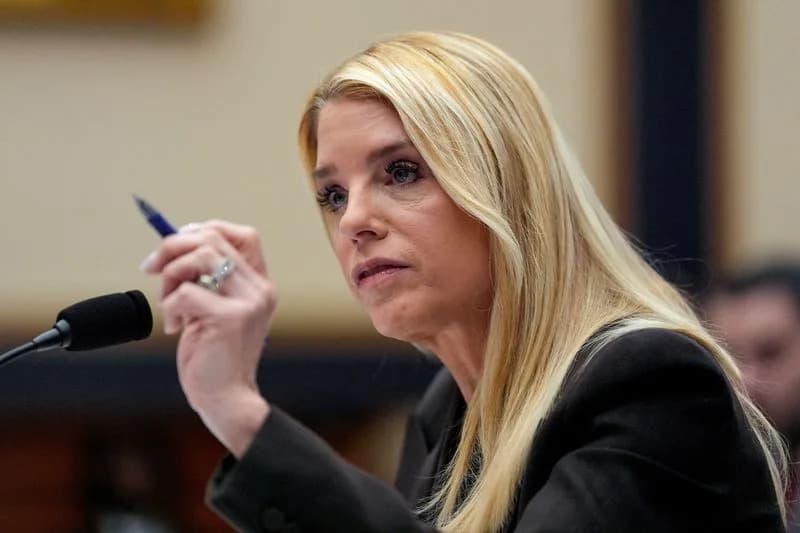
FILE PHOTO: U.S. Attorney General Pam Bondi testifies before a House Judiciary Committee hearing on oversight of the Justice Department, on Capitol Hill in Washington, D.C., U.S., February 11, 2026. REUTERS/Kent Nishimura/File Photo
WASHINGTON, March 4 — The U.S. Department of Justice has proposed a rule that would allow the U.S. Attorney General to review allegations of professional misconduct against current and former DOJ attorneys and request that state disciplinary bodies suspend their investigations while the department conducts its review.
What the Rule Would Do
Under the draft regulation submitted on Wednesday, the attorney general would gain the authority to review allegations of misconduct involving DOJ lawyers and ask state bars and similar professional organizations to pause proceedings. Because the department’s internal review could be extended, critics say the policy would effectively enable the attorney general to delay or stall state ethics inquiries.
Scope and Limits
The proposal targets non-governmental organizations that oversee lawyer discipline—such as state bar associations and ethics panels—not other government oversight entities. It would also bar current and former Justice Department attorneys from participating in state-level investigations until the attorney general’s review is complete.
Examples and Reactions
Supporters say the rule is necessary to protect Justice Department attorneys from politically motivated or duplicative probes. The draft argues some state bar investigations appear aimed at "weaponizing" professional discipline against the department's lawyers and could chill vigorous advocacy on behalf of the United States.
Opponents contend the change would shield officials who acted improperly while narrowing independent avenues of accountability. For example, a Washington attorney ethics panel last year recommended disbarment for Jeffrey Clark, a senior DOJ official during Trump's first term, for alleged dishonesty related to efforts to enlist the department in attempts to overturn the 2020 election. Clark has denied wrongdoing; a District of Columbia appeals court will make the final determination on disbarment.
Several current and former DOJ lawyers have faced ethics complaints from outside groups for actions taken since President Trump returned to office. Those named in complaints include Ed Martin, the department’s pardon attorney, and Lindsey Halligan, a former prosecutor whose charges against Trump critics were later dismissed.
"We're going to do everything we can to take these activist bars out of the picture," Deputy Attorney General Todd Blanche, a former personal lawyer for Trump, said at a November Federalist Society event.
Process and Practical Effect
Attorney General Pam Bondi, identified in the draft as the signatory, has approved the proposal for publication. The rule will be open for a 30-day public comment period before it can be finalized. The draft also states that the DOJ would not have unilateral power to terminate a state bar proceeding and that state disciplinary authorities would not be compelled to accept the department’s internal conclusions.
All U.S. states maintain rules of professional conduct that prohibit conflicts of interest, dishonesty and other ethical violations. The debate over the DOJ proposal centers on balancing protections for government lawyers with preserving independent, state-level oversight of lawyer misconduct.
(Reporting by Andrew Goudsward; Editing by David Bario and Will Dunham)
Help us improve.