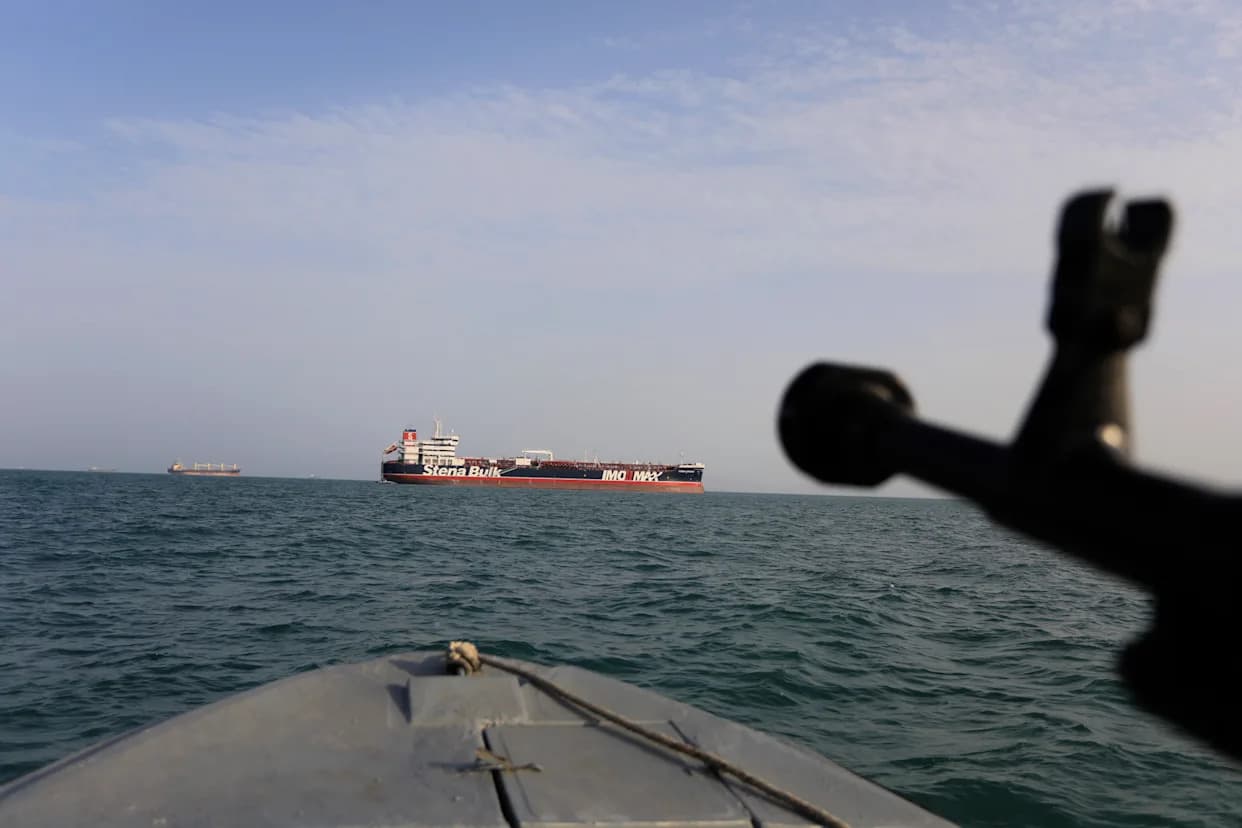
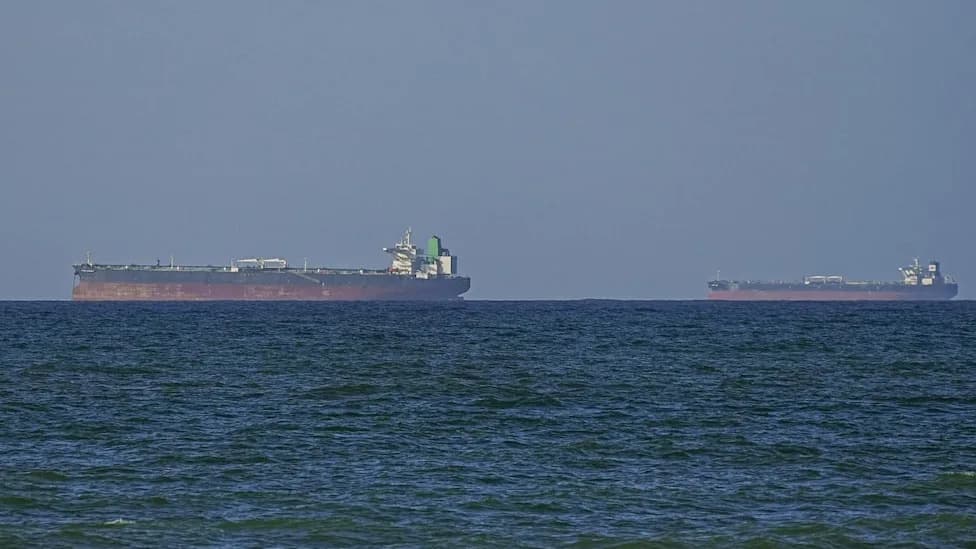
The White House announced plans to provide political‑risk insurance and, if necessary, U.S. naval escorts for oil and gas tankers transiting the Strait of Hormuz, President Donald Trump said Tuesday. The measures aim to calm energy markets after recent strikes and threats in the Persian Gulf raised concerns about disruptions to seaborne shipments.
Trump posted on Truth Social that he had directed the U.S. Development Finance Corporation (DFC) to offer, "at a very reasonable price, political risk insurance and guarantees for the Financial Security of ALL Maritime Trade, especially Energy, traveling through the Gulf." He said the program "will be available to all Shipping Lines" and that the U.S. Navy could begin escorting tankers through Hormuz if needed.
"Effective IMMEDIATELY, I have ordered the United States Development Finance Corporation (DFC) to provide, at a very reasonable price, political risk insurance and guarantees for the Financial Security of ALL Maritime Trade, especially Energy, traveling through the Gulf... If necessary, the United States Navy will begin escorting tankers through the Strait of Hormuz, as soon as possible." — President Donald Trump (Truth Social)
Markets reacted quickly: U.S. crude futures eased to about $73 a barrel from intraday highs above $77 after the announcement, but traders remain jittery about potential attacks on energy infrastructure and shipping in the region.
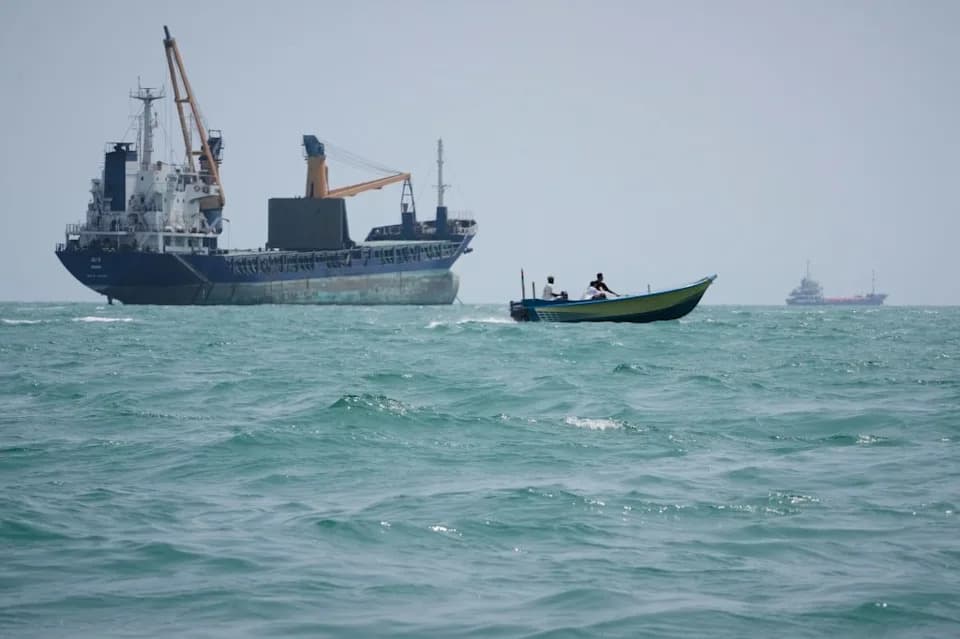
Marine insurers have raised premiums and, in some cases, cancelled coverage for vessels transiting Hormuz. Those decisions have prompted some ship operators to reroute or avoid the corridor, slowing shipments and creating the potential for supply strain if disruptions persist.
Officials say the Pentagon has discussed a maritime mission that would resemble past U.S. operations in the Red Sea — deploying carriers, destroyers and escorts to protect freedom of navigation. Analysts expect such a mission would prioritize intercepting missiles or other high‑end threats to commercial shipping rather than only deterring small‑boat harassment.
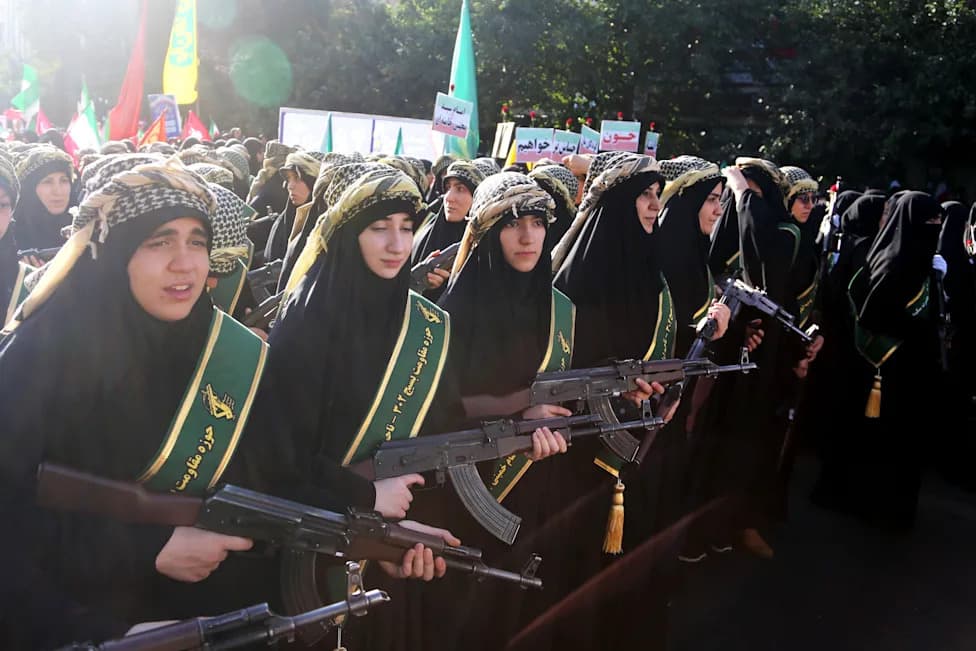
The wider conflict has already affected regional energy infrastructure: the report cites attacks on refineries, a temporary shutdown of a major Qatari gas export plant, and other incidents that have heightened concerns about escalation. The report also notes casualties and naval engagements; the U.S. military has said it engaged Iranian vessels in recent operations.
Some earlier accounts included inconsistent or unverified assertions. For example, claims about the death of Iran’s supreme leader were not confirmed and are not presented here as fact. The article also misidentified Marco Rubio's official role; Senator Marco Rubio is quoted as saying the administration planned forceful action to counter maritime threats.
For shippers and energy consumers, the immediate takeaway is clear: insurers, tanker operators and governments are recalibrating risk in a vital shipping lane that handles roughly one‑fifth of the world’s seaborne oil trade. The ultimate impact on shipping costs and fuel prices will depend on how long tensions persist, how extensive escort operations are, and whether insurers and international partners commit to sustained protection.