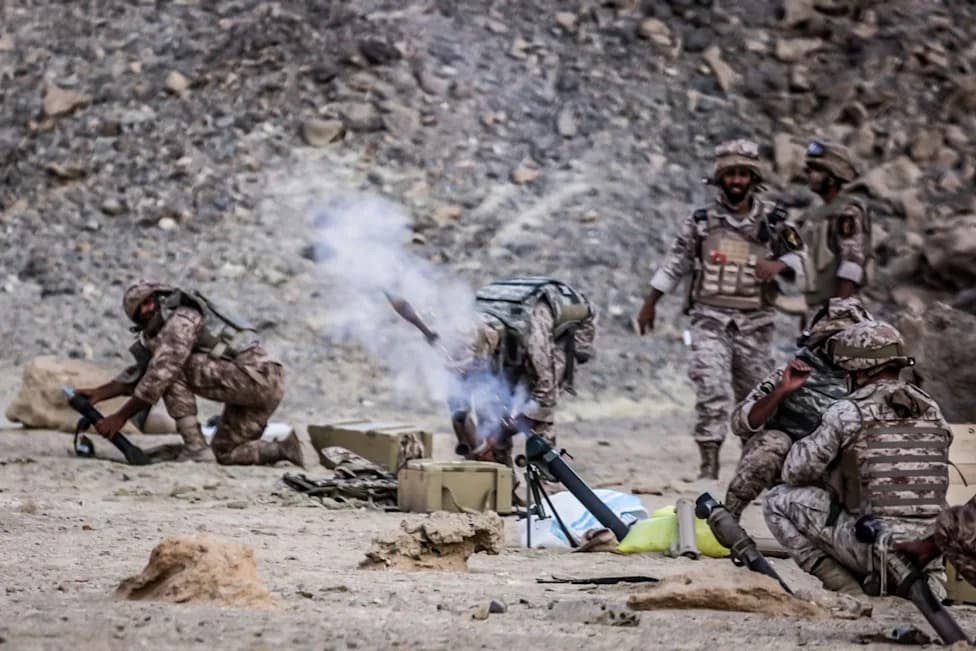
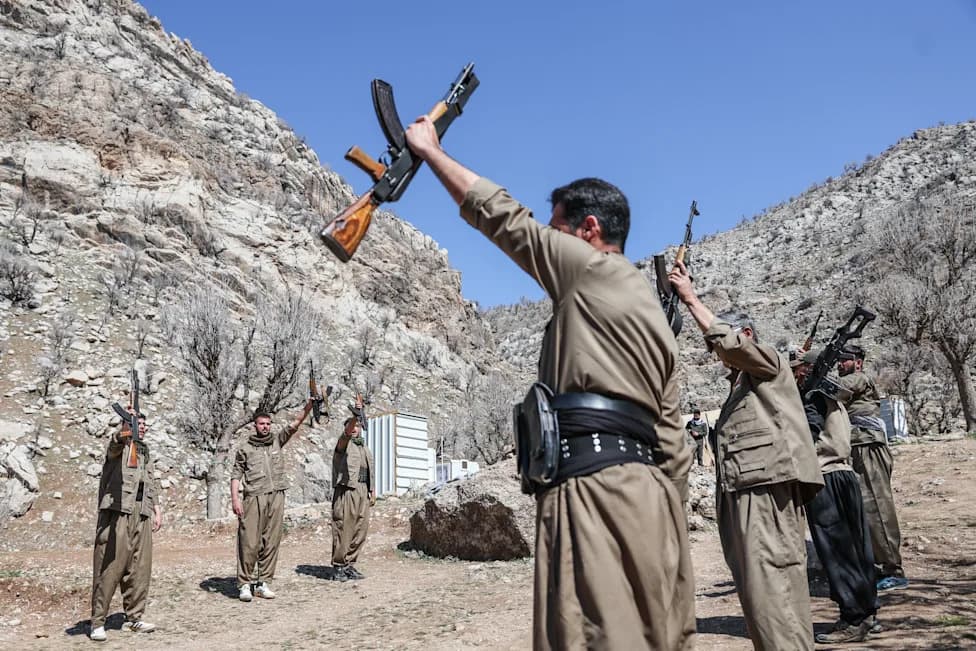
What to know: The IRGC is a powerful, constitutionally backed institution that reports directly to Iran’s supreme leader and extends influence through military action, proxy networks and large commercial holdings. The Quds Force coordinates regional partners in what Tehran calls the “Axis of Resistance,” while the Basij militia is used domestically to suppress protests. Recent strikes that reportedly killed senior IRGC commanders, along with international sanctions and designations, have increased pressure on the Guard but are unlikely to remove it from the center of Iran’s state structure.
Inside the IRGC: How Iran’s Revolutionary Guard Wields Military, Economic and Political Power
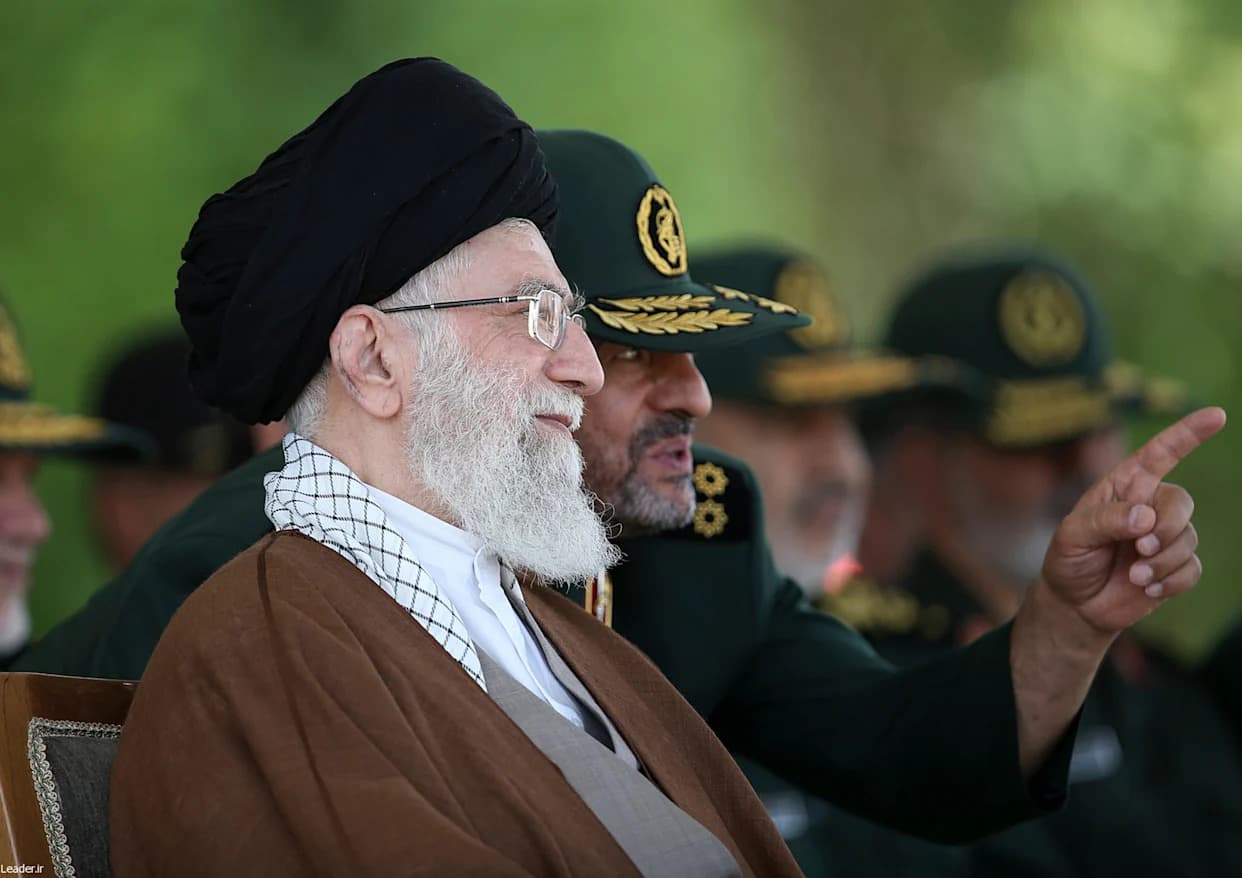
FILE- In this picture released by the official website of the office of the Iranian supreme leader, Supreme Leader Ayatollah Ali Khamenei listens to the then commander of the Revolutionary Guard Mohammad Ali Jafari during a graduation ceremony of a group of the guard's officers in Tehran, Iran, May 20, 2015. (Office of the Iranian Supreme Leader via AP, File)(ASSOCIATED PRESS)
The Islamic Revolutionary Guard Corps (IRGC) has evolved from a post-revolutionary protector into one of the most powerful institutions in Iran, reporting directly to the supreme leader and operating across military, economic and intelligence spheres.
Overview
Founded after the 1979 Islamic Revolution to protect the new clerical order, the IRGC operates alongside Iran’s regular armed forces but answers directly to the supreme leader. Over decades it expanded its role—from a battlefield force in the Iran-Iraq war to a major political, economic and expeditionary organization.
Economic Reach
The IRGC controls extensive commercial interests, most notably the Khatam al-Anbia conglomerate, which participates in construction, infrastructure projects, ports, telecommunications and a range of other businesses. These enterprises both fund IRGC activities and extend its influence inside Iran’s economy.
Regional Operations and the Quds Force
The IRGC’s Quds Force projects Iran’s influence abroad by supporting allied militias and political partners across the Middle East. Tehran describes this network as the “Axis of Resistance,” which includes groups such as Lebanon’s Hezbollah, Yemen’s Houthi movement and a range of Syrian and Iraqi militias. The Quds Force grew particularly influential after the 2003 U.S. invasion of Iraq.
Intelligence, Covert Action and Smuggling
The IRGC operates its own intelligence capabilities and has been tied to covert operations abroad, including — according to Western intelligence assessments — recruitment of criminal networks to target dissidents and perceived enemies. It is also widely accused of facilitating smuggling and illicit trade across the region.
Domestic Role: Basij and Repression
At home, the Basij volunteer militia, part of the IRGC structure, is a principal instrument for suppressing unrest. Video from recent protests shows Basij units using batons, pellet weapons and firearms in crowd-control operations. The IRGC has overseen arrests and trials of dual nationals and people with Western ties, often in opaque proceedings that Western governments say have been used as leverage in diplomacy.
Recent Escalations
After the Oct. 7, 2023 Hamas attack and the ensuing Gaza war, tensions in the region surged. Israel has targeted Iranian-backed groups and, in strikes inside Iran and around the region, reportedly killed senior IRGC commanders. Those attacks aimed at missile sites, launchers and air-defense assets have strained the Guard’s operational networks.
“What happened in Oman was not our choice. We have already told our, you know, army, armed forces to be careful about the targets that they choose,” Abbas Araghchi told Al Jazeera on March 1. “As a matter of fact, our, you know, military units are now in fact independent and somehow isolated and they are acting based on instructions — you know, general instructions — given to them in advance.”
The Iranian foreign minister’s comments reflect the complications of command and control during heightened confrontation and may be intended to de-escalate diplomatic tensions with Gulf neighbors.
International Response and Outlook
In January, the European Union designated the IRGC as a terrorist organization, citing the force’s role in the violent suppression of protests and its regional activities. As Israel, Gulf states and Western countries respond to cross-border attacks and strikes, the IRGC remains central to Tehran’s strategy and one of the biggest sources of regional friction.
Outlook: The IRGC’s combination of military power, proxy networks and economic resources makes it a resilient actor. Continued strikes on its leadership, pressure from sanctions and regional counterattacks may degrade some capabilities, but the Guard’s deep integration into Iran’s political and economic systems means it will remain a pivotal force for the foreseeable future.
Help us improve.