Somaliland's recognition by Israel could significantly boost activity at DP World–operated Berbera port and spur expansion, aided by potential access to Ethiopia's market. However, the move raises clear security concerns: the Iran-backed Houthis have warned they would target any Israeli presence, the UAE operates a nearby expanded military base where foreign forces are suspected, and Al-Shabaab opposes Israeli use of Somaliland. The outcome will depend on diplomatic deals and regional dynamics.
Somaliland’s Israel Recognition Could Transform Berbera Port — But Raises Serious Security Risks
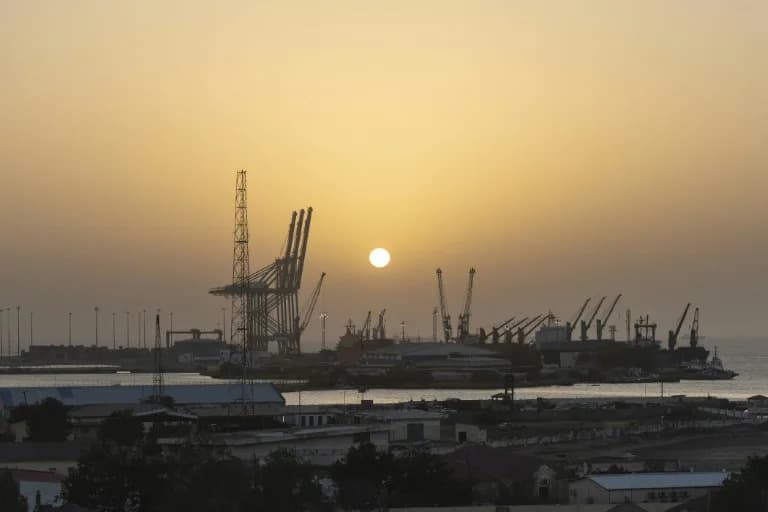
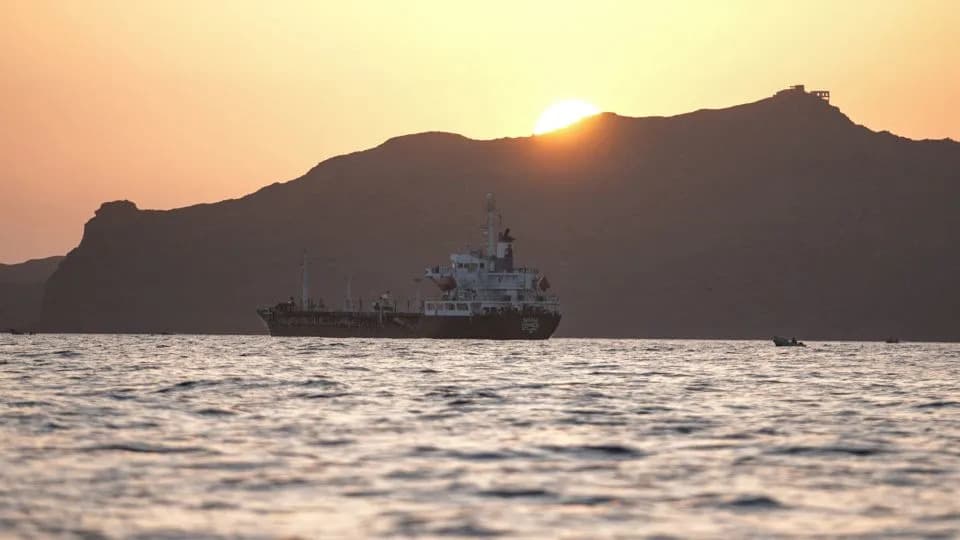
Berbera port has been transformed by UAE's DP World (Tony KARUMBA)(Tony KARUMBA/AFP/AFP)
Somaliland's recent recognition by Israel has the potential to reshape the future of Berbera port — bringing increased commerce and investment, while also exposing the facility and surrounding region to heightened security risks.
Economic Upside
Over the past decade the United Arab Emirates operator DP World has upgraded Berbera on the Gulf of Aden into a modern terminal on one of the world's busiest shipping corridors. Although the port still handles fewer containers than nearby Djibouti or Mombasa, reported traffic rose about 30% between 2023 and 2025.
Port authority director Ali Diriye Ahmed says a prospective agreement with landlocked Ethiopia — a country of more than 130 million people — could boost throughput by as much as 80%. Ahmed also told AFP that Israel's recognition of Somaliland could prompt a "tremendous increase" in traffic and spur plans for expansion.
Security Concerns
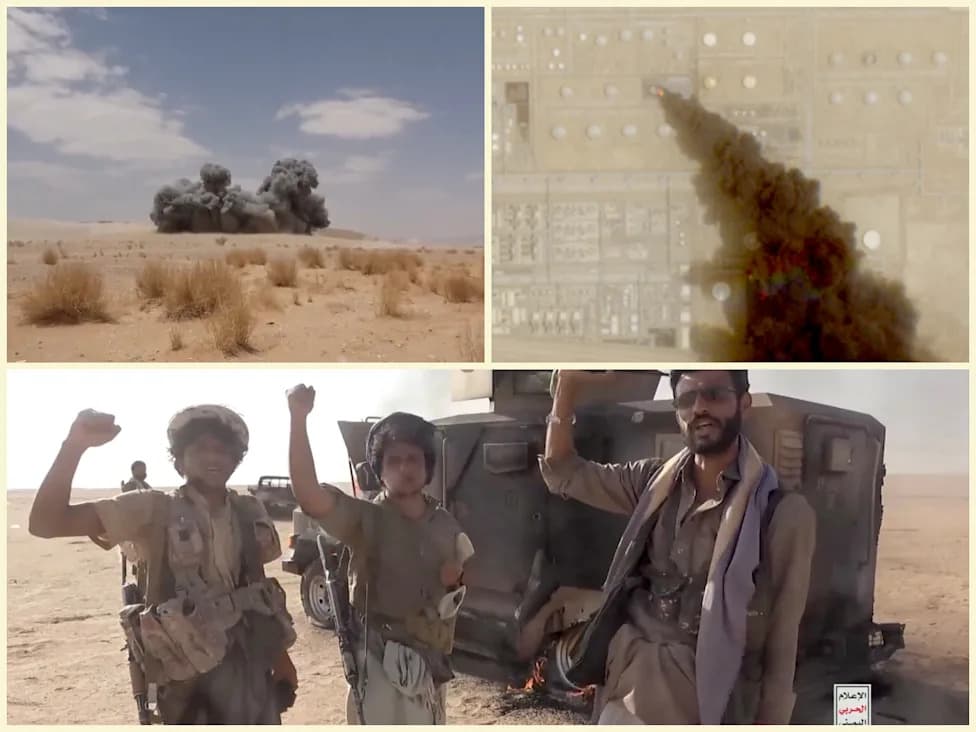
Alongside these economic prospects come significant security questions. The Iran-backed Houthi movement in Yemen has warned that any Israeli presence in Somaliland would be treated as a military target. The recent regional escalation — including attacks and missile strikes affecting the UAE — has sharpened concerns that ports and nearby bases could be vulnerable to cross-border strikes.
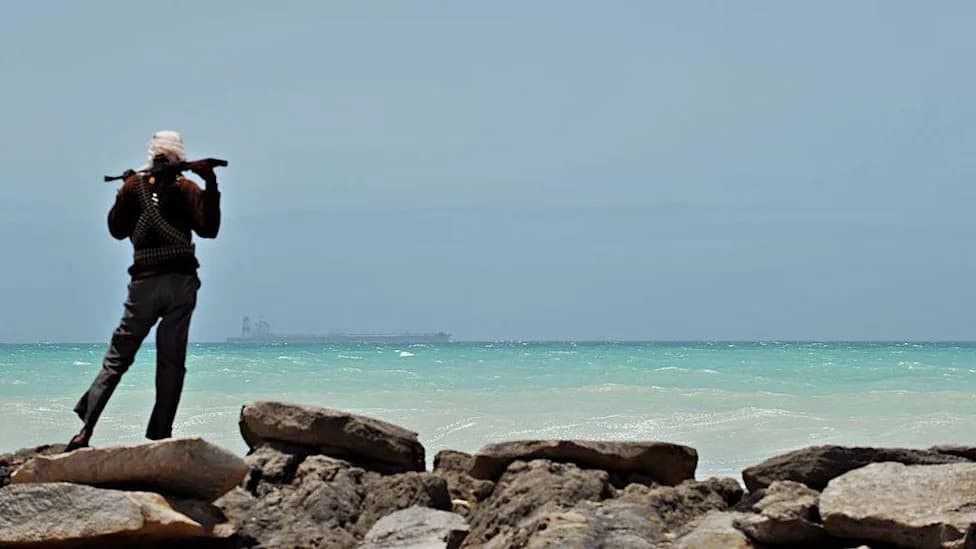
The UAE not only operates Berbera through DP World but also maintains and has expanded a military base in the area. Some diplomats and analysts say there is a widespread assumption of discreet foreign security cooperation at that facility, and that an actual Israeli presence, if confirmed, would increase the risk of Houthi or Iranian strikes on port infrastructure.
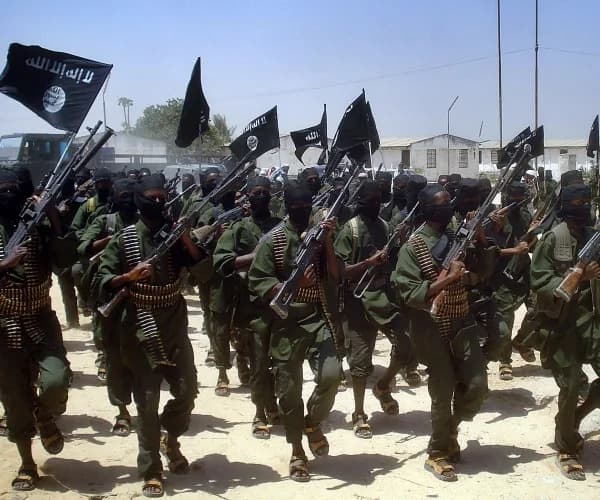
There is an additional local threat: Al-Shabaab, the Somalia-affiliated militant group linked to Al-Qaeda, has publicly opposed any use of Somaliland by Israel, raising the prospect of insurgent attacks or sabotage.
Local Response
Somaliland officials stress that recognition and new partnerships are intended to drive development and regional stability. Hargeisa has at times denied talks about hosting an Israeli military base, while also indicating that "nothing is off the table." Khadar Hussein Abdi, minister of the presidency, said Somaliland "wants to contribute to peace in the region."
In Berbera, municipal leaders point to tangible benefits since DP World’s involvement: population growth, rising tax revenues, free primary education and new health clinics. Mayor Abdishakur Mohamoud Hassan expressed confidence that the city could develop rapidly, comparing future prospects to Dubai.
What Comes Next
The balance between economic opportunity and security risk will hinge on several uncertain variables: the outcome of talks with Ethiopia, the precise nature of foreign security arrangements at the nearby base, and regional dynamics involving Iran, the Houthis and militant groups like Al-Shabaab. For Somaliland, the potential prize is larger regional trade and investment; the attendant risk is that geopolitical tensions could turn commercial assets into strategic targets.
Bottom line: Recognition by Israel could accelerate Berbera’s rise as a regional hub — but it may also make the port and surrounding infrastructure a strategic target in an increasingly tense region.
Help us improve.