The Supreme Court is hearing a pivotal Second Amendment case that could apply a 1968 federal firearms ban to "unlawful users" of controlled substances, potentially affecting millions of recreational marijuana users. The case centers on Ali Danial Hemani, indicted after an FBI search found a handgun and about 60 grams of marijuana. The Justice Department argues historical practices of disarming "habitual drunkards" support the law, while the defense and reform groups say there is no tradition of stripping firearm rights for routine cannabis use. The ruling will test how the Court’s historical-test framework applies to modern drug policy and gun safety.
Supreme Court Case Could Subject Millions Of Marijuana Users To Federal Gun Ban
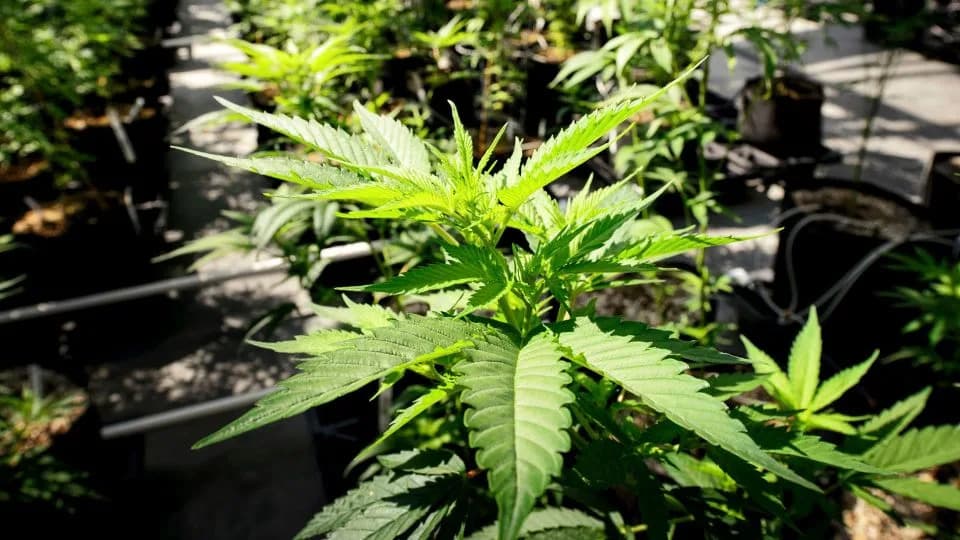
Marijuana plants grow at a Minnesota Medical Solutions greenhouse on May 5, 2015, in Otsego, Minn. - Glen Stubbe/Star Tribune/AP
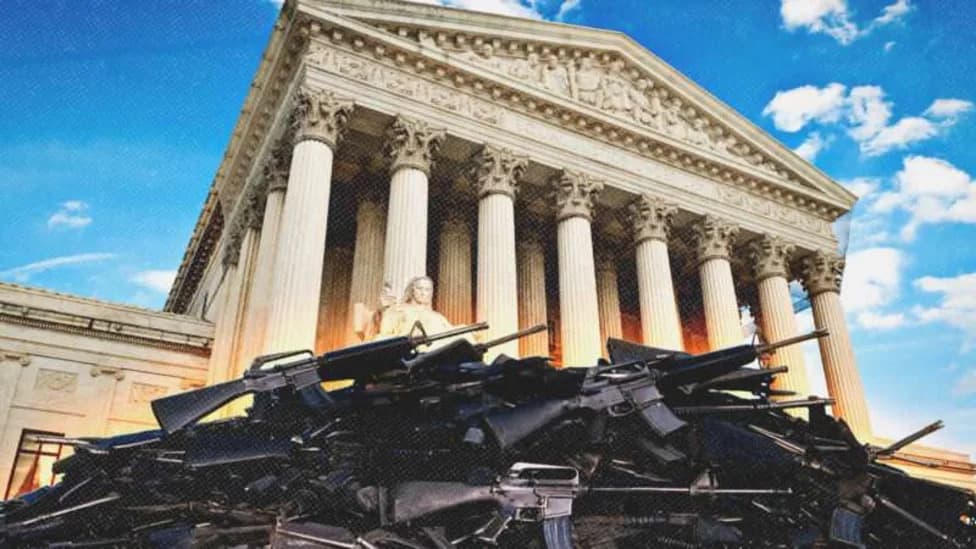
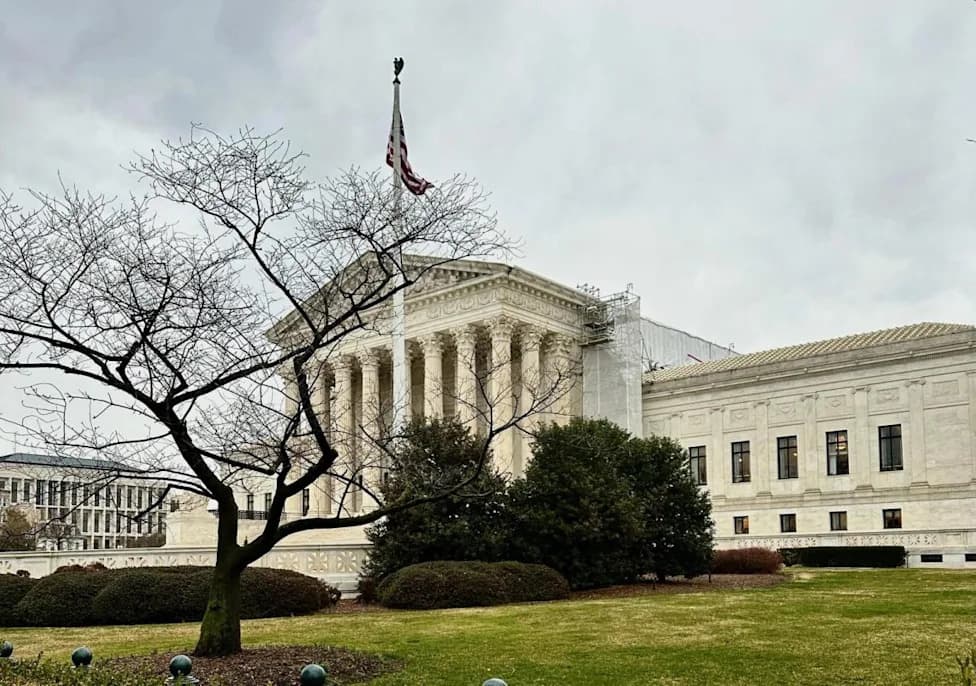
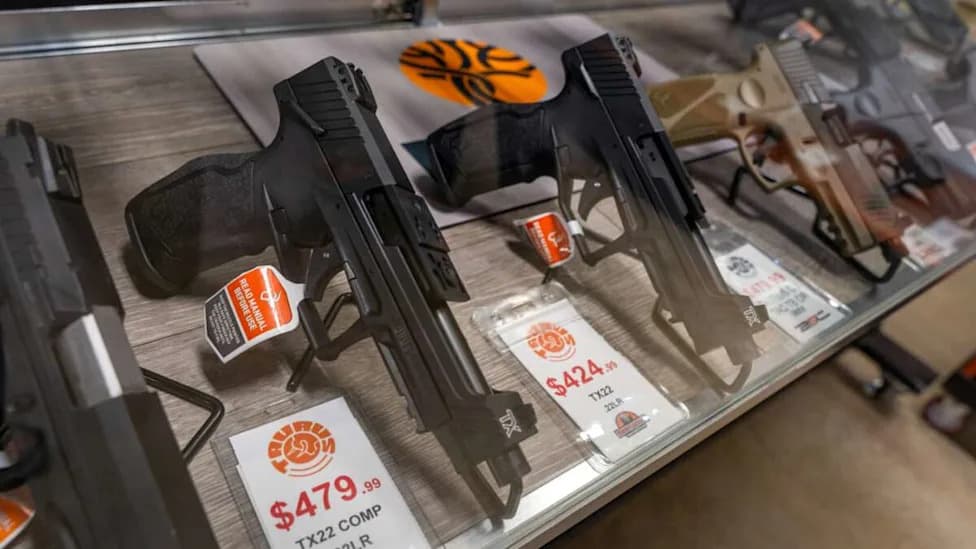
The Supreme Court will hear a high-stakes Second Amendment case that could extend a 1968 federal firearms prohibition to people who are "unlawful users" of controlled substances — a ruling that marijuana legalization advocates warn could expose millions of recreational cannabis users to federal gun charges.
Case At The Center
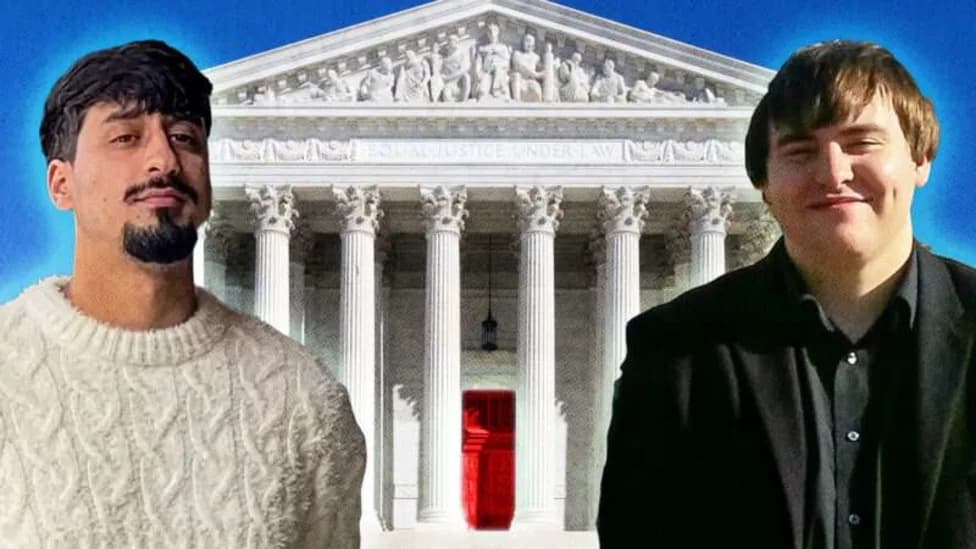
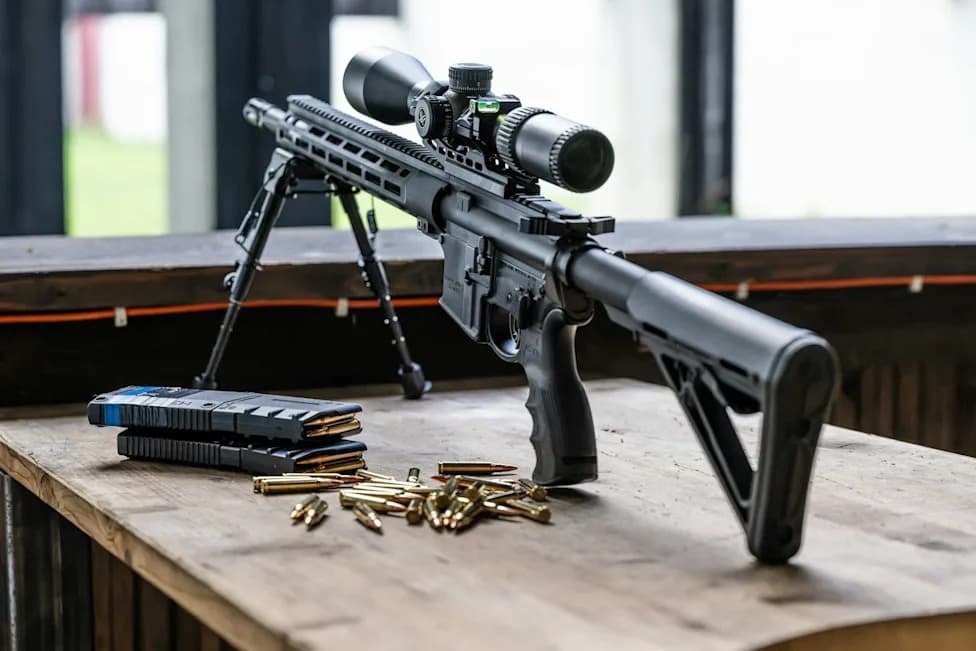
At issue is the prosecution of Ali Danial Hemani, a dual U.S.-Pakistan citizen indicted in 2023 on a single count under the federal statute that bars firearm possession by an "unlawful user" of drugs. An FBI search found a Glock 9mm pistol and roughly 60 grams of marijuana in connection with the case. Although the Justice Department’s appeal included broader allegations, the indictment in Hemani’s case focuses on alleged habitual marijuana use.
Why This Case Matters
The appeal has created an unusual alliance between some Second Amendment groups and marijuana reform advocates. They argue that applying the 1968 law to routine cannabis users would criminalize conduct that is widely legal or tolerated in many states and would disarm large numbers of otherwise law-abiding people.
“There’s something deeper and more invidious about attempting to disarm an entire class of people — millions and millions and millions of people who consume cannabis,” said Joseph Bondy, a criminal defense lawyer who filed a brief on behalf of the National Organization for the Reform of Marijuana Laws.
Government’s Historical Argument
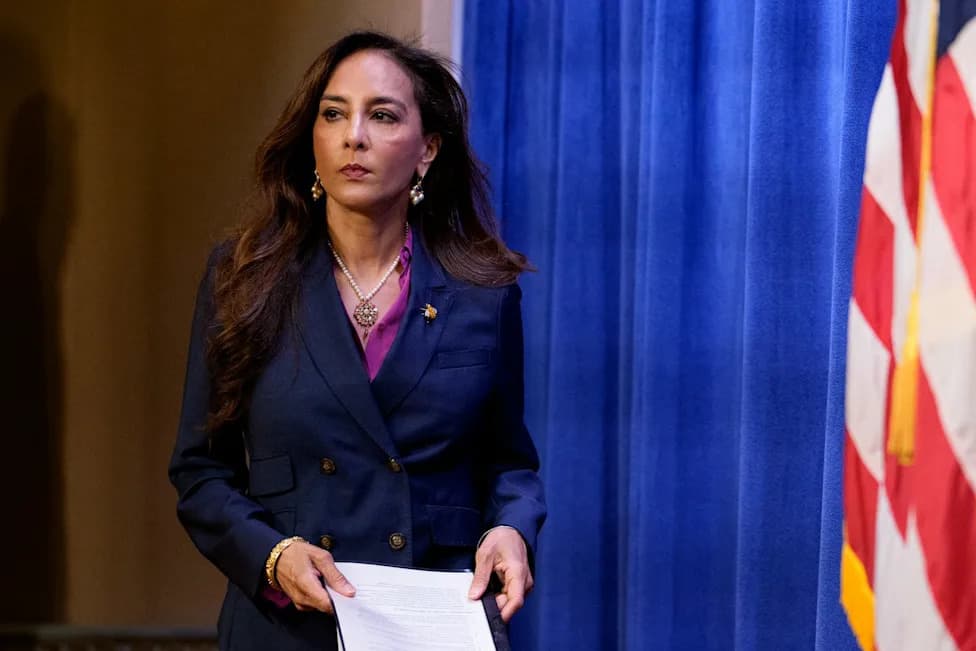
The Justice Department defends the statute by pointing to historical practices used to restrict firearms access for people judged dangerous, citing early laws that punished "habitual drunkards." In filings, Solicitor General D. John Sauer urged the Court that this history supports disarming people deemed to present heightened risks.
Defense Response And Legal Precedent
Hemani’s legal team, which includes the ACLU and prominent Supreme Court counsel Erin Murphy, rejects the government’s historical framing. They argue there is no tradition of disarming people for routine or occasional intoxicant use and that the law sweeps too broadly by not distinguishing between marijuana and more dangerous substances.
The dispute comes against a backdrop of recent Supreme Court decisions that require modern gun restrictions to be consistent with historical traditions. A 2022 ruling expanded public-carry rights and set a framework for evaluating firearm regulations; a later decision in 2024 upheld limits on gun ownership for people subject to domestic-violence restraining orders, refining the historical-test analysis.
Context And Stakes
About half of U.S. states now allow small amounts of marijuana for recreational use and an even larger share legalize medical cannabis. The Justice Department says roughly 300 people are charged under the drug-and-gun provision each year and that convictions can carry sentences of up to 15 years. Supporters of stricter enforcement worry that higher-potency cannabis products increase risks tied to intoxication, while reform advocates emphasize public acceptance and the distinct legal status of marijuana in many states.
Other widely reported facts connected to the statute include the prosecution and subsequent pardon of Hunter Biden under the same law in 2024, and the broad language of the Gun Control Act of 1968, which disarms categories of people including felons and "unlawful users" of controlled substances.
What’s Next: The Supreme Court’s decision will shape whether the federal government may broadly bar people who habitually use marijuana from possessing firearms, or whether such restrictions must be limited by historical analogues — for example, laws targeting those who are actively intoxicated and dangerous at the time of an encounter.
The case could have immediate practical consequences for millions of Americans who use cannabis in states where it is legal, and it will clarify how modern gun regulations are reconciled with the Court’s historical-test framework.
Help us improve.