Summary: A Department of Defense tweet that used the phrase "lethalitymaxxing" went viral and highlighted how incel and looksmaxxer slang has moved from fringe forums into mainstream media and government speech. Linguists trace the vocabulary to anonymous boards and AAVE influences; its rapid, exclusionary evolution creates strong in-groups and obscures attempts at intervention. Figures like Braden "Clavicular" Peters personify the movement's extremes, while algorithmic incentives and a hunger for virality help normalize abusive or nihilistic language. Experts urge platform and policy changes to reduce harm and the spread of toxic subcultures.
From 4chan to the Pentagon: How Incel Slang Like 'Lethalitymaxxing' Went Mainstream
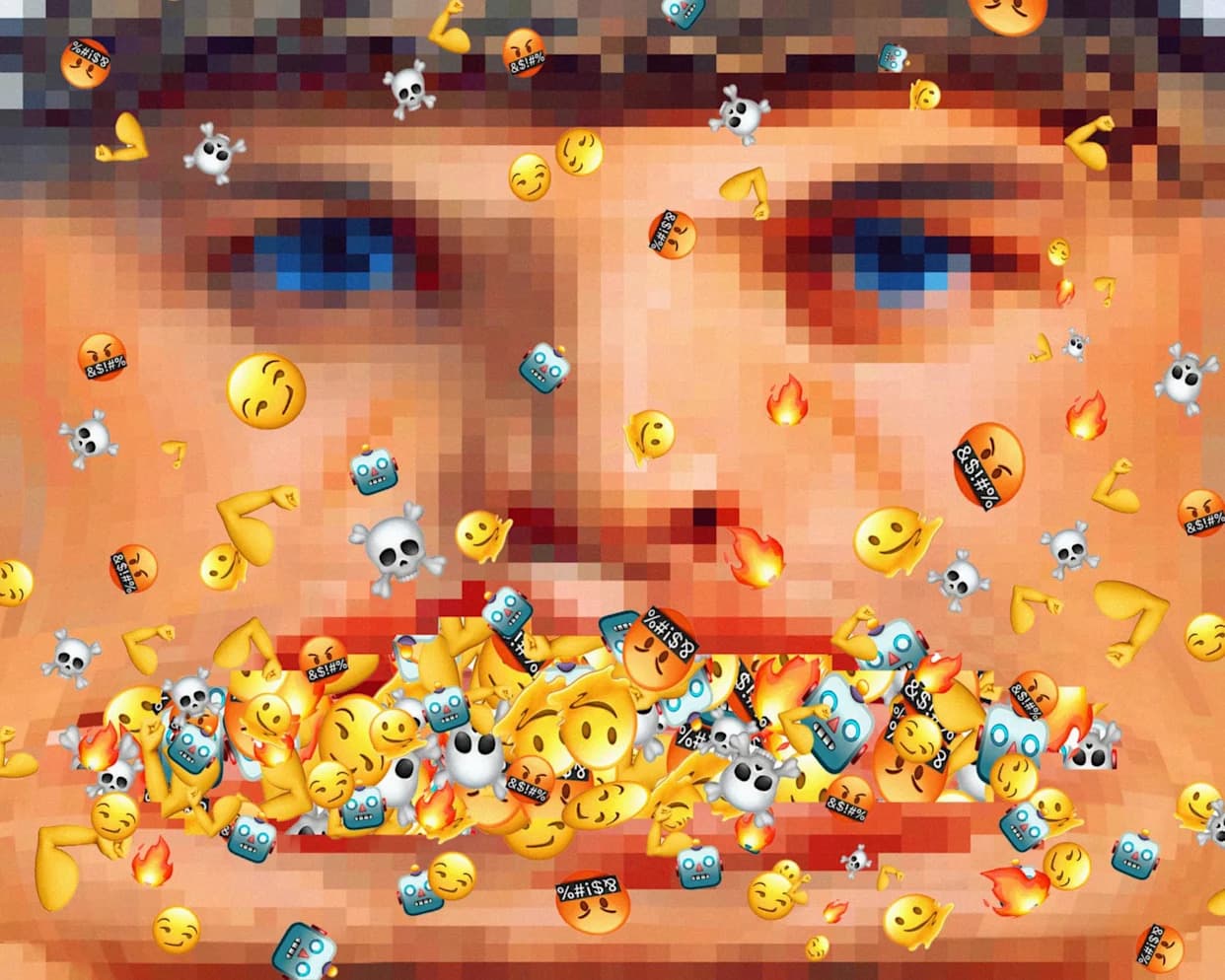
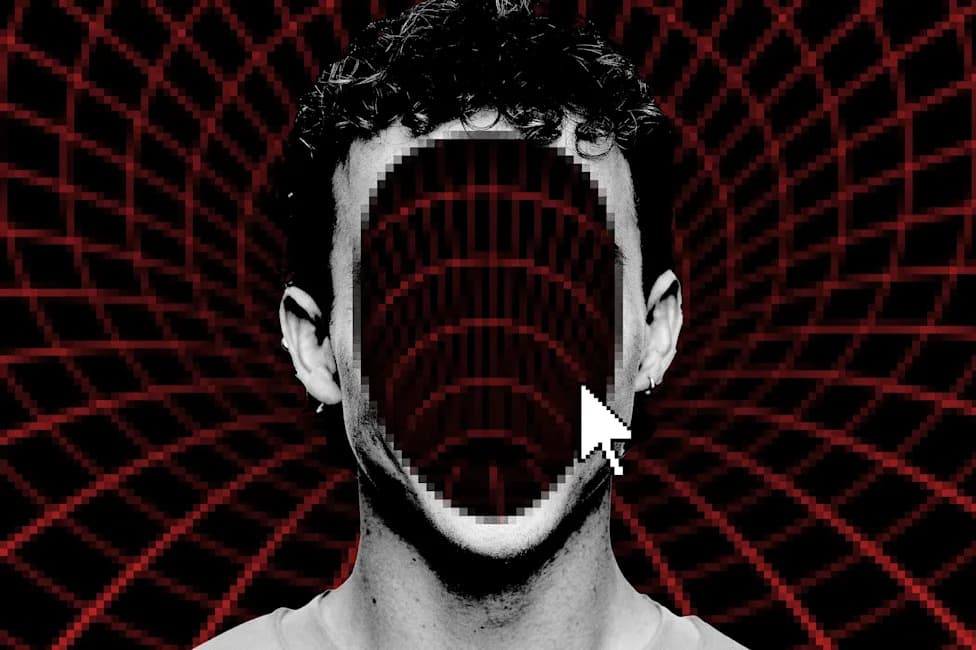
‘I am seeing more of a spike [in incel language] in the past few months than I think I have in my entire career,’ says linguist Adam Aleksic.Illustration: Alvaro Dominguez/Guardian Design/Getty Images(Illustration: Alvaro Dominguez/Guardian Design/Getty Images)
The Department of Defense's terse, subcultural tweet — "Low cortisol. Locked in. Lethalitymaxxing." — went viral in February, viewed more than 24 million times and reignited debate about how online extremist slang migrates from fringe message boards into mainstream media and even government messaging. That single line, opaque to many readers, illustrates a wider cultural shift: niche jargon shaped on anonymous forums and social platforms has become part of public discourse.
The Viral Tweet And The Phrase Behind It
"Clavicular was mid jestergooning when a group of Foids came and spiked his Cortisol levels. Is Ignoring the Foids while munting and mogging Moids more useful then SMV chadfishing in the club?"
That example — full of terms drawn from incel and looksmaxxing subcultures — circulated across news outlets and social feeds. For those unfamiliar with the lexicon, the sentence is intentionally exclusionary and, in many cases, openly misogynistic. Translating the vocabulary helps explain both its appeal within communities and its harm when it leaks into broader conversation.
Where The Language Comes From
Linguists point to two major influences: anonymous imageboards and forums (notably 4chan) and elements borrowed from African American Vernacular English (AAVE), which have been repurposed in these online spaces. Adam Aleksic, author of Algospeak, says the slang functions as an in-group code: specialized, rapidly evolving words signal membership and shared worldview. UCLA's Daria Bahtina adds that this opacity is deliberate — it creates cohesion and excludes outsiders, which can make it harder to intervene or de-radicalize community members.
Who Is Clavicular — And What Is Looksmaxxing?
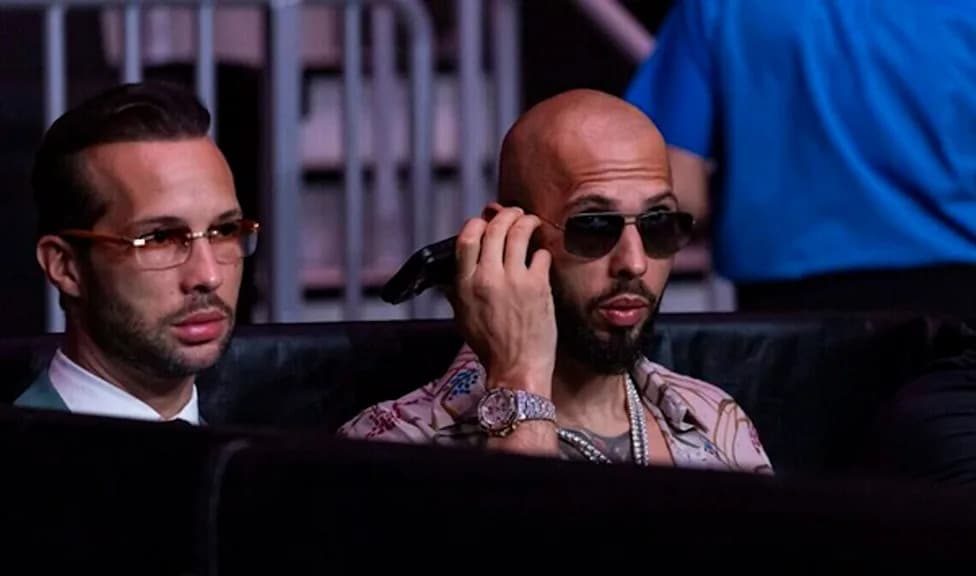
Braden Peters, known online as Clavicular, has become a visible figure in the looksmaxxing scene — communities that obsess over improving physical appearance by any means. He has attracted large audiences with livestreams and extreme, sometimes dangerous practices he promotes. Media reports attribute a six-figure monthly income to his streaming. His rise illustrates how spectacle, self-harm, and shock value can produce both followers and financial rewards.
What The Terms Mean (Plainly)
- Foid — Derogatory term for women (female humanoids); widely considered a misogynistic slur.
- Moids — Pejorative for low-status men.
- Looksmaxxing — Attempting to maximize attractiveness through grooming, surgery, extreme measures, or risky behaviors.
- Blackpill — A fatalistic belief that biology and appearance entirely determine social and sexual success.
- Gooning/Jestergooning — Obsessive or numbing behaviors tied to self-image; in context, performative antics to attract attention.
- Mogging — Dominating or humiliating other men by appearing more attractive or successful.
- SMV — Sexual Market Value, a calculated notion of attractiveness and desirability.
- -Maxxing suffix — A memetic form meaning to maximize something (e.g., "lethalitymaxxing", "homelandmaxxing").
Many of these terms are loaded, dehumanizing, or explicitly misogynistic. Translating them clarifies why their spread into mainstream spaces is alarming.
Why The Jargon Spread
Experts identify several drivers: algorithmic amplification that rewards extreme, attention-grabbing content; the cultural logic of virality (where shock and curiosity drive shares); and the migration of early-Internet participants into political or media roles who carry this lexicon with them. As Aidan Walker notes, content that provokes a strong reaction — "What the fuck?" — often performs best, generating engagement and reach.
Why It Matters
When corrosive slang moves into mainstream newspapers, broadcast media, or government messaging, it normalizes dehumanizing frames and makes targeted groups feel unsafe. The in-group code also obstructs outreach: if outsiders cannot understand or speak the group's language, attempts to challenge harmful beliefs are less effective. Moreover, the monetization of spectacle — whether through subscriptions, views, or political capital — incentivizes ever more extreme behavior.
What Can Be Done
Researchers and commentators suggest platform and policy choices can alter incentives: redesign algorithms to reward care rather than merely outrage, invest in moderation tools that address coded harm, and support interventions that engage people in these communities without relying on public shaming. As one expert put it, different engineering and policy choices could bake care and agency into online structures.
Conclusion: The migration of incel and looksmaxxing slang from obscure boards into public life is a symptom of broader digital dynamics: new vocabularies form tight-knit identities, algorithms amplify shock, and attention becomes currency. Understanding the language is a first step toward addressing the social and technological conditions that let harmful subcultures flourish.
Help us improve.