German state intelligence is warning about a rising online trend called "Mincels," where incel grievances intersect with Islamist ideology and toxic masculinity. The July report says the movement chiefly attracts young, male Muslims who struggle to find partners and are radicalising via social media influencers. Officials highlight that misogyny functions as a bridge between secular incel culture and Islamist radicalisation, with influencers promoting strict Salafist prescriptions plus grooming advice to recruit vulnerable men.
'Mincels' Rising: German Spies Warn Of Online Convergence Between Incel Culture And Islamism
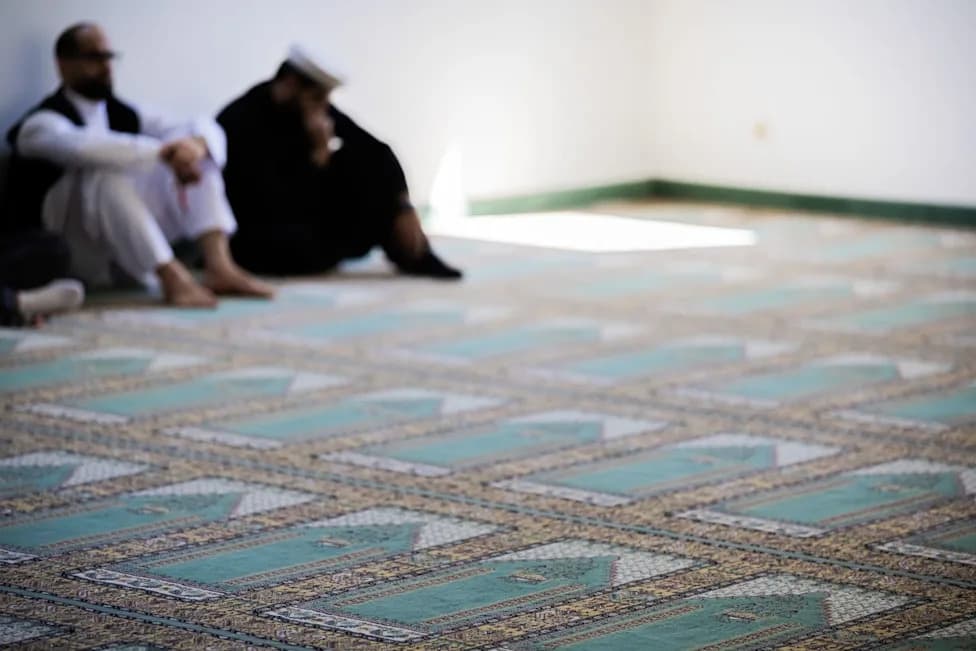
The so-called Mincel movement largely involves young, male Muslims who want a partner but cannot find one. Christoph Soeder/dpa
German state intelligence agencies have identified a worrying online radicalisation trend they call "Mincels" — a portmanteau of "Muslim" and "incel" (involuntary celibate). A July intelligence report from Baden-Württemberg warns that these online communities blend grievances over romantic and sexual frustration with Islamist ideology, toxic masculinity and entrenched misogyny.
What Researchers Found
According to Beate Bube, head of the domestic intelligence agency in Baden-Württemberg, the movement "appeals in particular to young, male Muslims who want a partner but cannot find one and live in involuntary celibacy." These men are being drawn into more radical views through online channels, the report says.
How The Messaging Works
Intelligence officials say influencers and online interlocutors in these spaces link Islamist values to discussions about sexuality and women’s roles. Messaging often combines:

Influencers on social media are spreading narratives that following strict Islamic-Salafist rules, combined with appropriate personal grooming, could help young men appear more attractive to women. Annette Riedl/dpa
- Toxic ideals of masculinity and sexual entitlement, including claims that "men have a fundamental right to sex";
- Conspiracy narratives and misogynistic rhetoric framing women’s freedoms as excessive or threatening; and
- Advice that a return to strict Salafist norms, paired with improved grooming and personal presentation, can increase male attractiveness — a narrative that can mask broader propaganda aims.
"It is claimed that men have a fundamental right to sex, or that women have excessive freedoms," the July report states.
How 'Mincels' Differ From Secular Incels
While the broader incel subculture has typically been associated with far-right extremism, the report warns that misogyny acts as a bridge to Islamist radicality. A key difference: many "Mincels" seek rapid marriage within strict Islamic frameworks rather than the secular incel fixation on casual sexual access. In this context, virginity can be reframed as a sign of religious strength rather than stigma.
Why Authorities Are Concerned
Security officials say the combination of grievance-driven rhetoric, religious framing and targeted influencer content creates a potent recruitment pathway. Salafist ideas are being used selectively to justify a misogynistic agenda, normalising restricting women’s autonomy and encouraging young men to adopt increasingly radical stances.
Intelligence services are monitoring these networks as part of broader efforts to track online radicalisation. Experts warn that countering this trend requires addressing the underlying social and emotional grievances — as well as disrupting the spread of misogynistic and extremist propaganda online.
Help us improve.