The Ecuadorian government announced a sharp increase in tariffs on goods imported from Colombia, raising the rate from 30% to 50% effective March 1. The move marks a significant escalation in an already tense trade and security dispute between the neighbouring Andean nations.
Background
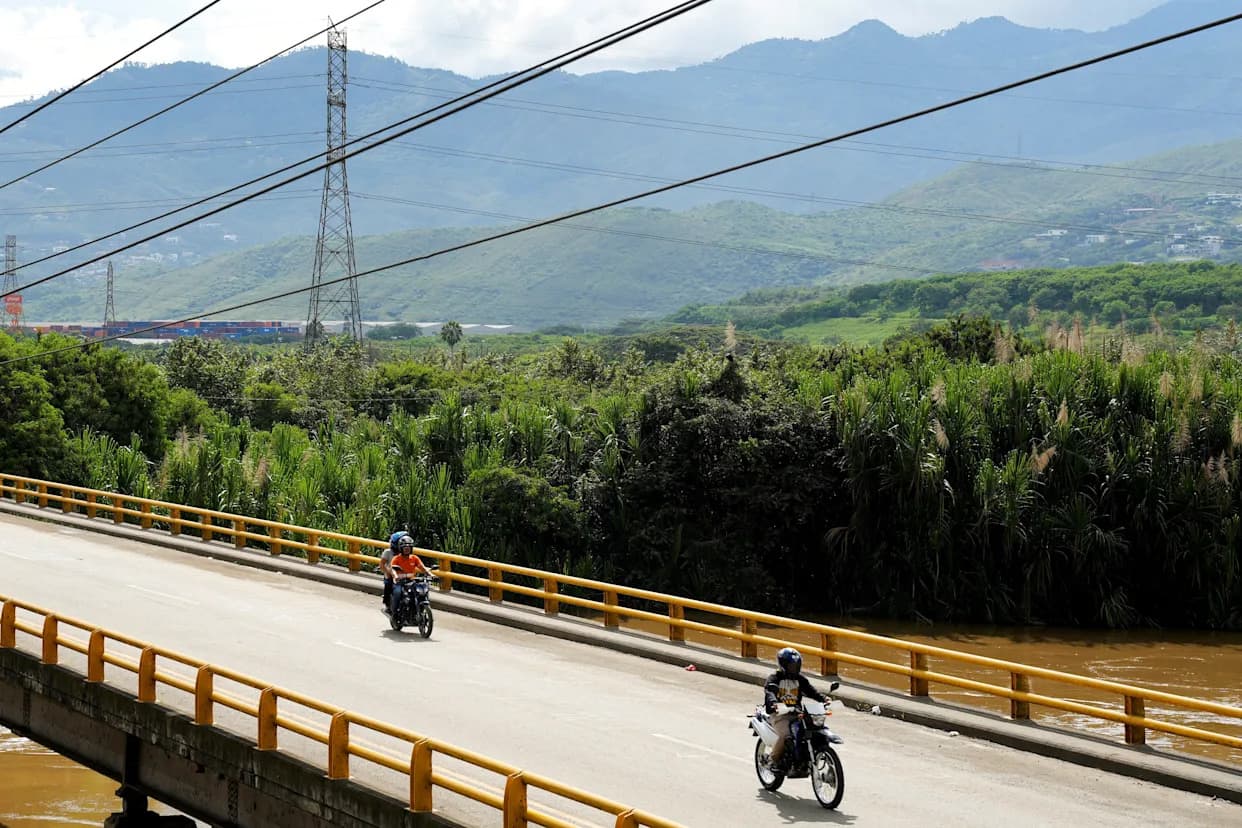
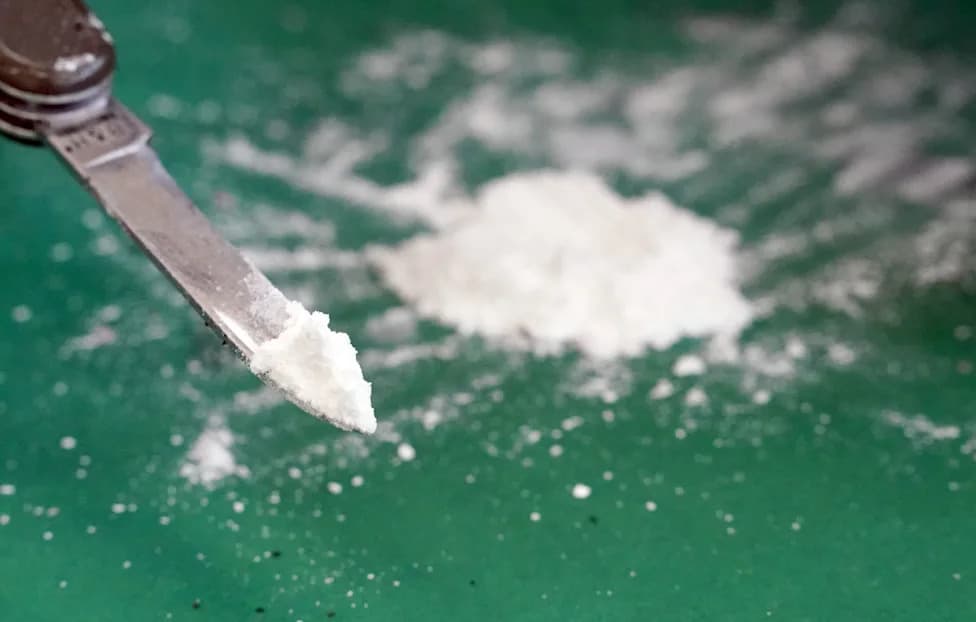
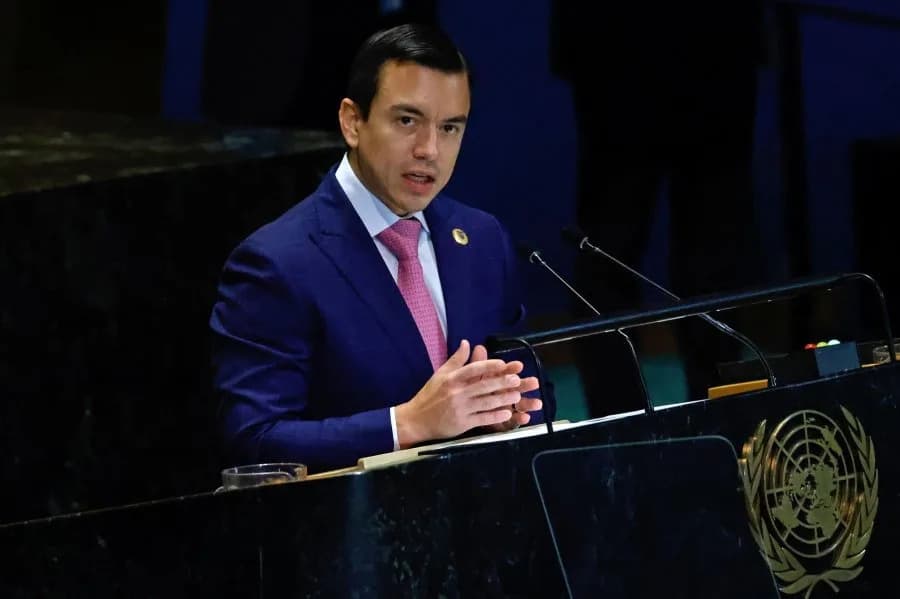
President Daniel Noboa of Ecuador has repeatedly pressed Colombia’s President Gustavo Petro to strengthen border security amid a surge in organised crime since the COVID‑19 pandemic began in 2020. Quito says it is using tariffs to pressure Bogotá into adopting "concrete and effective" measures to curb drug trafficking along the roughly 586‑kilometre (364‑mile) land border.
Economic Rationale
Ecuadorian officials have also defended the tariffs on economic grounds, citing a widening bilateral trade deficit. According to the Observatory of Economic Complexity, nearly 4% of Colombian exports go to Ecuador, worth about $2.13 billion, including medicines and pesticides. By contrast, roughly 2.3% of Ecuador’s exports are sent to Colombia, valued at about $863 million. Government figures indicate Ecuador’s trade deficit with Colombia stands at approximately $1.03 billion through 2025 (excluding oil).
Energy And Oil Disputes
Following the initial 30% tariff in early February, Colombia suspended energy sales to Ecuador in retaliation. That suspension is sensitive because hydropower provides nearly 70% of Ecuador’s electricity and recent droughts have already disrupted generation, contributing to outages and domestic protests. In past shortages, Ecuador has purchased power from Colombia.
The dispute has also affected oil flows. Quito raised fees for Colombian crude transported through the Trans‑Ecuadorian Oil Pipeline (SOTE) by 900%, increasing charges to roughly $30 per barrel; Colombia responded by halting shipments through the pipeline.
Diplomacy And Security
High‑level diplomatic and security talks have so far failed to resolve the standoff. Officials from both countries met this month in Ecuador but left without a breakthrough. Ecuador’s Ministry of Production and Foreign Trade criticised Colombia for not taking sufficient action to stop narcotics trafficking along the border.
Security Context: Ecuador has experienced a marked rise in violent crime since 2020. The Geneva‑based Organized Crime Observatory reported that the country registered roughly one murder every hour last year.
The tariff hike, energy suspensions and pipeline fee dispute increase the risk of further economic and political fallout on both sides of the border and complicate efforts to restore bilateral cooperation on security and trade.