The Kansas government has revoked driver’s licenses and birth certificates for more than 1,000 transgender residents after a new law required gender markers to match sex assigned at birth and barred future changes. The measure also mandates use of restrooms and locker rooms in government buildings that correspond to birth sex, and affected individuals must pay for replacement licenses. Civil-rights groups, including the ACLU, say the law endangers transgender people and plan to challenge it in court. The law follows litigation and a legislative override of Governor Laura Kelly’s veto.
Kansas Revokes IDs for 1,000+ Transgender Residents After Law Requiring Birth‑Sex Markers Takes Effect
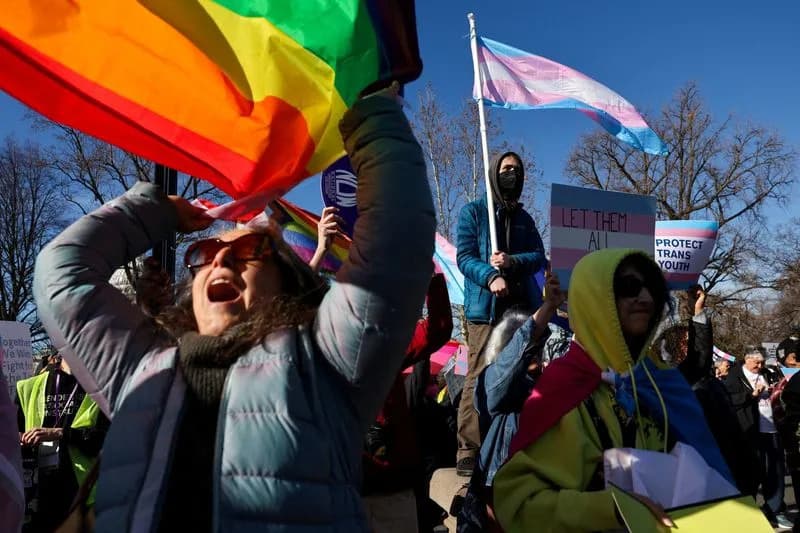
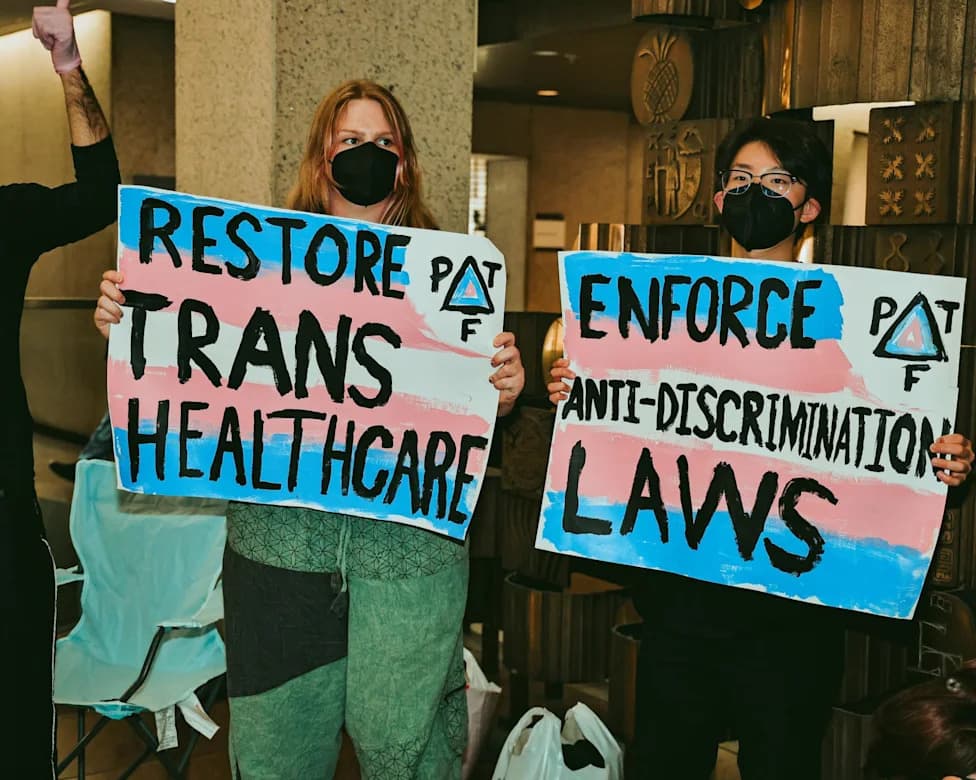
FILE PHOTO: Transgender rights activists gather outside the U.S. Supreme Court in Washington, D.C., U.S., January 13, 2026. REUTERS/Tyrone Siu/File Photo
By Helen Coster
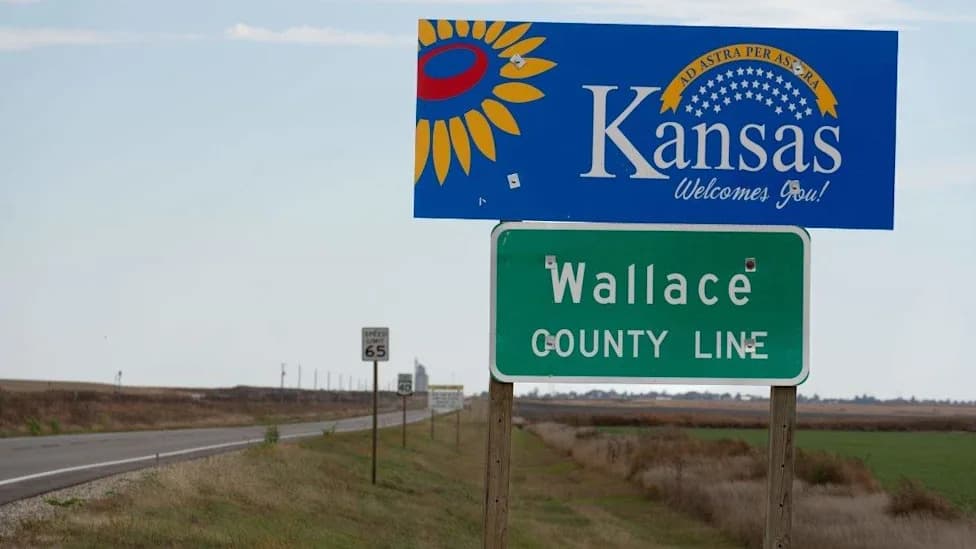
NEW YORK, Feb 26 (Reuters) - The Kansas state government has revoked the driver’s licenses and birth certificates of more than 1,000 transgender residents who previously changed the gender marker on those documents, enforcing a law that took effect on Thursday.
What the Law Does
The statute requires that gender markers on state-issued driver’s licenses and birth certificates be reverted to the sex recorded at birth and bars any future changes. The law also requires transgender individuals to use restrooms and locker rooms in state-owned or -leased buildings that correspond to their sex assigned at birth. Those affected will be required to pay for replacement driver’s licenses.
Background And Timeline
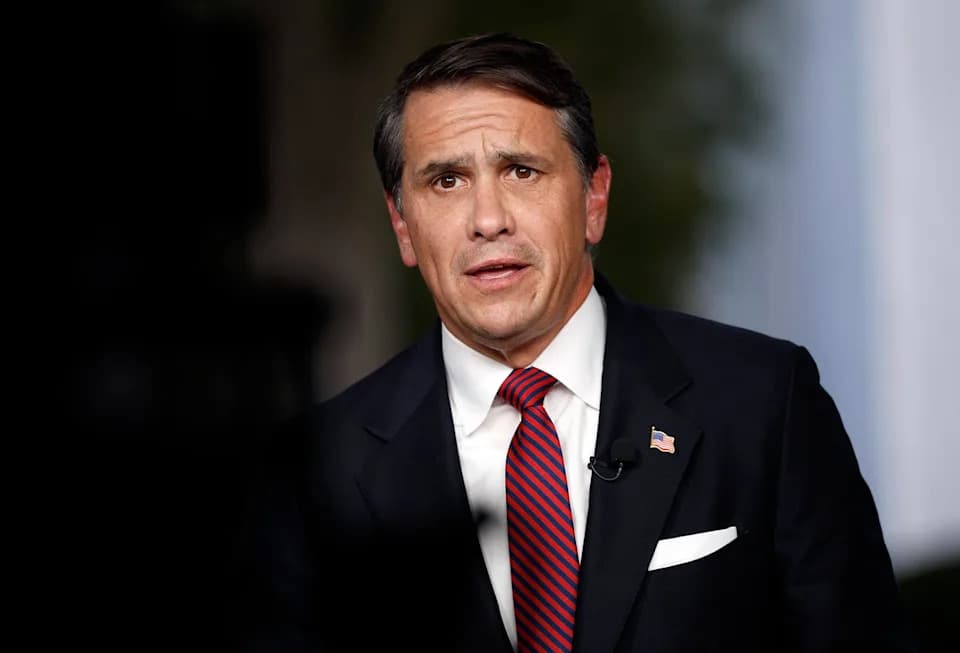
Kansas residents had been permitted to change gender markers on driver’s licenses and birth certificates until 2023, when the practice was paused amid litigation brought by Republican Attorney General Kris Kobach. Courts allowed those changes to resume last year, but the Kansas legislature subsequently passed a bill reversing that policy; lawmakers overrode Democratic Governor Laura Kelly’s veto to enact the latest law.
Reactions And Legal Challenge
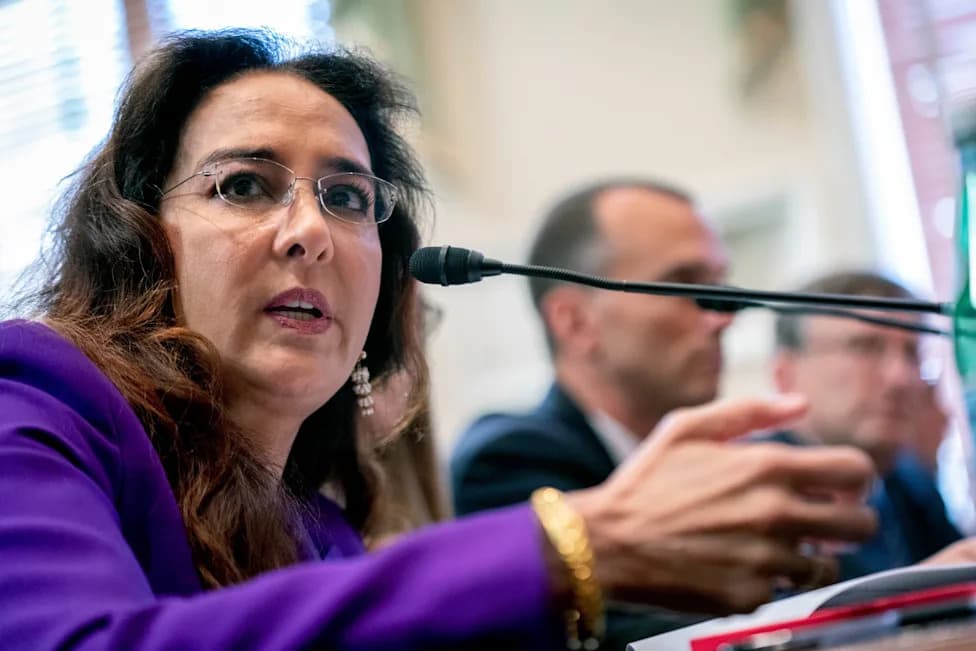
Critics, including civil-rights advocates, say the law increases risk for transgender people who may face discrimination or violence when their identity differs from the information on official IDs. Harper Seldin, a senior staff attorney with the ACLU’s LGBTQ and HIV Project, said the law "puts transgender people in danger any time they interact with law enforcement or apply for a job or for housing or public benefits." The ACLU has said it expects to file a legal challenge to the law.
Broader Context
The Kansas action comes amid a broader national debate and a wave of state-level restrictions affecting transgender rights. Supporters of similar measures argue they protect privacy and safety in sex-segregated spaces and preserve legal clarity; opponents argue they undermine the dignity, safety and civil rights of transgender people.
Key Fact: Officials say the change is effective immediately and applies to documents that previously had been updated to reflect a different gender marker.
(Reporting by Helen Coster; editing by Donna Bryson and Rod Nickel.)
Help us improve.