India’s recent amendment to transgender law has sown uncertainty across medical and administrative systems, prompting some clinics to halt hormone treatments and forcing patients to self-medicate. Doctors worry about legal exposure while private clinics add paperwork and fees. The amendment also requires medical-board recommendations and magistrate approval for identity certificates and is now being challenged in the Supreme Court.
India’s Transgender Law Amendment Sparks Healthcare Uncertainty, Leaving Patients in Limbo

India's changes to its transgender law disruptedKali Sidharth Medepalli's hormone treatment (Noah SEELAM)
When 23-year-old transgender woman Kali Sidharth Medepalli began hormone replacement therapy earlier this year, she expected to complete her medical transition and undergo surgery within a year. Instead, months after she started treatment, parliament passed an amendment to India’s transgender law and the clinic that had been providing her care stopped supplying her medications.
“Everything shut down,” the communications specialist and LGBTQ rights activist told AFP in Hyderabad. Kali said she went 10 days without a testosterone blocker and suffered hot flushes and body aches before she managed to obtain medicine using an existing prescription and was forced to self-medicate. “Ideally, you should have a doctor doing this for you,” she said.
What the Amendment Does
The amendment adds penalties for forcing someone into a transgender identity through surgical, chemical or hormonal procedures. Authorities say the changes aim to strengthen protections against exploitation, forced identity and trafficking. The government has also said the law does not criminalise consensual, medically supervised care.
Healthcare Sector Reacts
Activists and clinicians say the amendment has created widespread uncertainty. “The healthcare system is very fearful right now,” said Vyjayanti Vasanta Mogli, a transgender rights activist and member of a Supreme Court advisory committee on transgender welfare. She warned the lack of clarity could scare away even those well-intentioned providers.
Doctors face a dilemma: continuing treatment could expose them to legal risk, while refusing care conflicts with medical duties. “How can I refuse care? I took an oath that above all do no harm,” said Sanjay Sharma, head of the Association for Transgender Health in India.
Some private clinics have continued to treat patients but added safeguards—extra paperwork, detailed consent forms, and higher fees. “Private clinics will now give care, but they lawyer up,” Sharma said. These changes disproportionately affect people without supportive families, established medical contacts, or money for private care.
Identity Certification and Access
The amendment also changed the process for obtaining transgender identity certificates. The government portal for applying for a transgender identity card has reportedly been non-functional since the amendment took effect. Under the revised rules, a designated medical board must recommend certification before a magistrate may issue an identity certificate, adding an additional layer of scrutiny and delay.
Bhukya Ahalya, 21, who completed her transition in 2025, has struggled to update identity documents that still list her as a man and now survives by begging at traffic signals. “When I want to move on, when I want to earn a respectful life, I don't get a TG (transgender) card,” she said.
There are no reliable, current official figures for how many transgender people receive gender-affirming healthcare in India. While the 2011 census recorded roughly 488,000 transgender individuals, human rights groups estimate the actual population may be between five and six million, complicating efforts to assess the amendment’s full impact.
Legal Challenge and Unanswered Questions
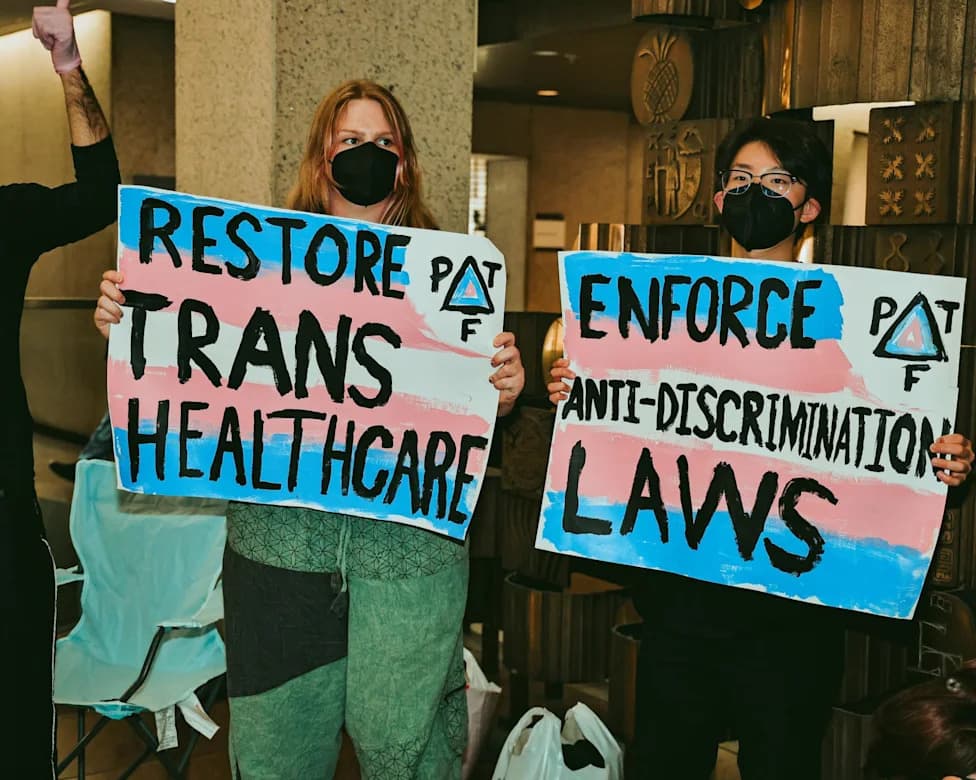
The amendment is being challenged in the Supreme Court. Petitioners argue it violates constitutional protections including dignity, autonomy, privacy and the right to self-identification. AFP contacted the Ministry of Social Justice and Empowerment for clarification on the amendment, its rules and the identity-card portal but received no response.
For many like Kali, planned medical transitions are now uncertain. “I don't know the future,” she said. “I can't plan it anymore.”
Help us improve.