Russia has said it is considering sending fuel to Cuba as US restrictions on oil shipments tighten. Canada pledged C$8 million in food aid to be distributed via the World Food Programme and UNICEF, while Mexico has dispatched multiple aid shipments. The US has offered limited humanitarian assistance and a special licence for certain Venezuelan oil resales. Regional leaders warn prolonged shortages could worsen migration and security across the Caribbean.
Russia Weighs Fuel Shipments To Cuba As Canada Pledges C$8M In Food Aid
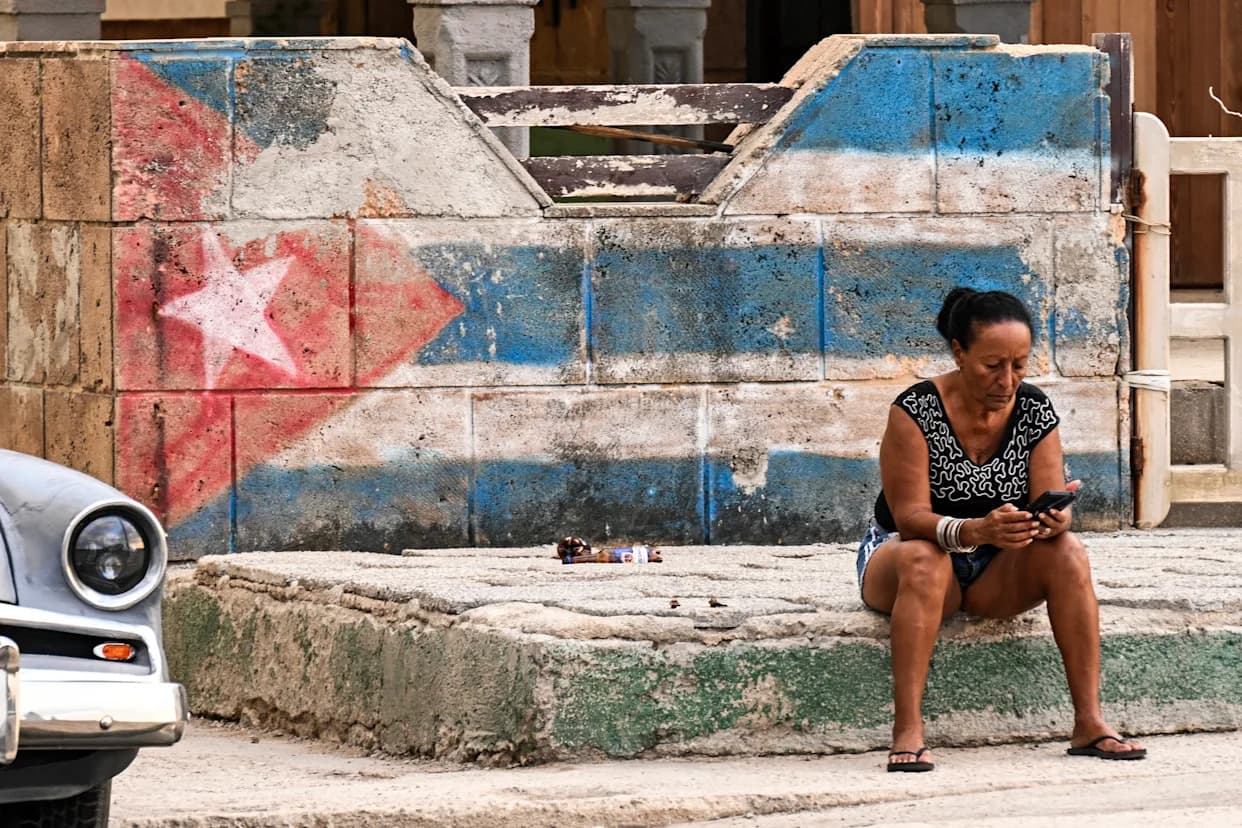
Successive political and economic crises in Cuba have caused shortages of basic supplies and mass migration [File: AFP]
Russian Deputy Prime Minister Alexander Novak said on Wednesday that Moscow is discussing possible fuel shipments to Cuba to help offset tighter US restrictions on oil supplies to the island, the RIA state news agency reported.
The remarks follow comments earlier this week from Russia’s deputy foreign minister that Moscow would provide “material supplies” to Havana. Until recently, Russia — alongside Mexico and Venezuela — was a significant supplier of oil to Cuba.
Fuel Shortages After Regional Tensions
Cuba’s fuel deliveries were disrupted last month amid escalating regional tensions and changes in US policy. In late January, the US issued an executive order that threatened sanctions on countries that ship oil to Cuba. The United Nations has warned that prolonged fuel shortages could trigger a humanitarian crisis on the island.
President Vladimir Putin publicly criticized the US executive order as “unacceptable” during a recent meeting in Moscow with Cuban Foreign Minister Bruno Rodríguez, underscoring Russia’s objections to Washington’s approach.
Humanitarian Responses From Neighbouring Countries
On Wednesday, Canada announced it would send C$8 million (about US$6.7 million) in food assistance for Cuba, to be distributed through the World Food Programme and UNICEF. Canada’s foreign minister, Anita Anand, said the aid was intended to address urgent needs and that she had not discussed the decision with US officials.
Mexico has also stepped up relief: two Mexican navy vessels arrived in Cuba carrying 1,193 tonnes of supplies, following an earlier shipment of more than 814 tonnes of food and hygiene items.
US Moves And Regional Concerns
Washington has signaled some limited softening of its stance: in early February it announced US$6 million in humanitarian assistance to Cuba to be routed through intermediaries such as the Catholic Church, and it said it would grant a special licence permitting certain Venezuelan oil resales to Cuba provided the transactions are directed to support the Cuban people rather than the government.
US Senator Marco Rubio attended a Caribbean Community (CARICOM) meeting in Saint Kitts and Nevis as regional leaders discussed the situation. Jamaican Prime Minister Andrew Holness urged a collective regional response and warned that prolonged hardship in Cuba could increase migration and affect security and economic stability across the Caribbean.
Why Fuel Matters
Cuba produces roughly 40% of its own fuel needs and relies on imports for the rest. Its electricity grid is heavily dependent on fossil fuels, so disruptions to fuel shipments risk widespread power outages and secondary impacts on health care, food supply chains and transport.
Analysts caution that efforts to force political change through supply restrictions would likely inflict severe hardship on ordinary Cubans. While Russia and China maintain diplomatic ties with Havana, both countries have so far limited their public responses to cautious or symbolic measures.
What To Watch: Whether Russia follows through on fuel deliveries, how effectively international aid is delivered to people in need, and whether regional diplomacy can prevent a broader humanitarian emergency.
Help us improve.