In a rare AFP interview, Prime Minister Hun Manet warned that organised scam centres are "destroying" Cambodia’s legitimate economy and tarnishing its reputation. Authorities say thousands have been arrested and a high-profile adviser was extradited amid allegations of a sprawling cyber-fraud network. Experts estimate about 100,000 people work in the scam hubs and put returns as high as $12.5 billion a year, figures the prime minister disputes. The government says it is taking action to dismantle the networks and protect Cambodia’s tourism and investment climate.
Hun Manet: Scam Centres Are Devastating Cambodia’s Economy — Government Vows Crackdown

Cambodian Prime Minister Hun Manet conceded online scam centres had indirectly boosted some business activities and provided jobs in the country, but denied Cambodia had profited from the crime rings (JOHN THYS)(JOHN THYS/AFP/AFP)
Cambodia’s Prime Minister, Hun Manet, told AFP that organised online scam centres are wrecking the country’s legitimate economy and harming its international reputation. He strongly rejected suggestions that the government profits from or is complicit in the operations, and outlined steps taken to dismantle the networks.
Scope of the Problem
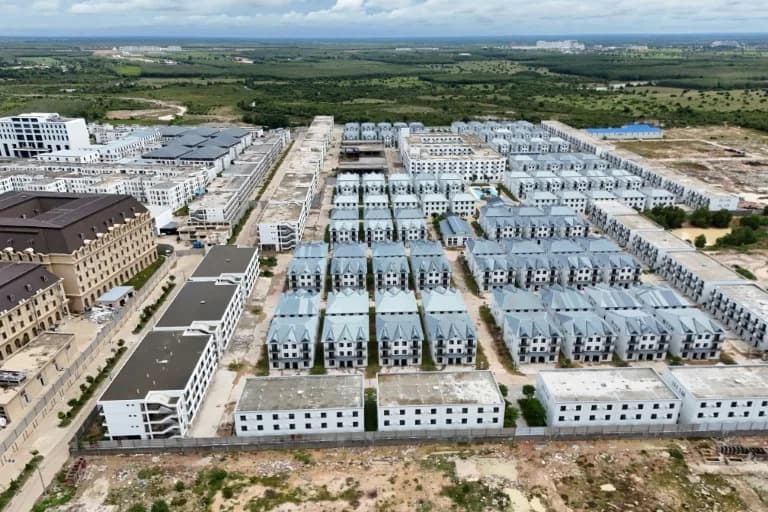
The country has become a hub for syndicates running a multibillion-dollar online fraud industry that lures victims worldwide into fake romantic relationships and bogus cryptocurrency schemes. Experts estimate dozens of scam hubs operate in Cambodia, involving roughly 100,000 people — many of them victims of human trafficking.
"The scam network, what we call the black economy, is destroying our honest economy. It has put a bad reputation on Cambodia," Hun Manet told AFP, adding: "This is the reason why we need to clean this out."
Crackdown, Arrests and Extraditions
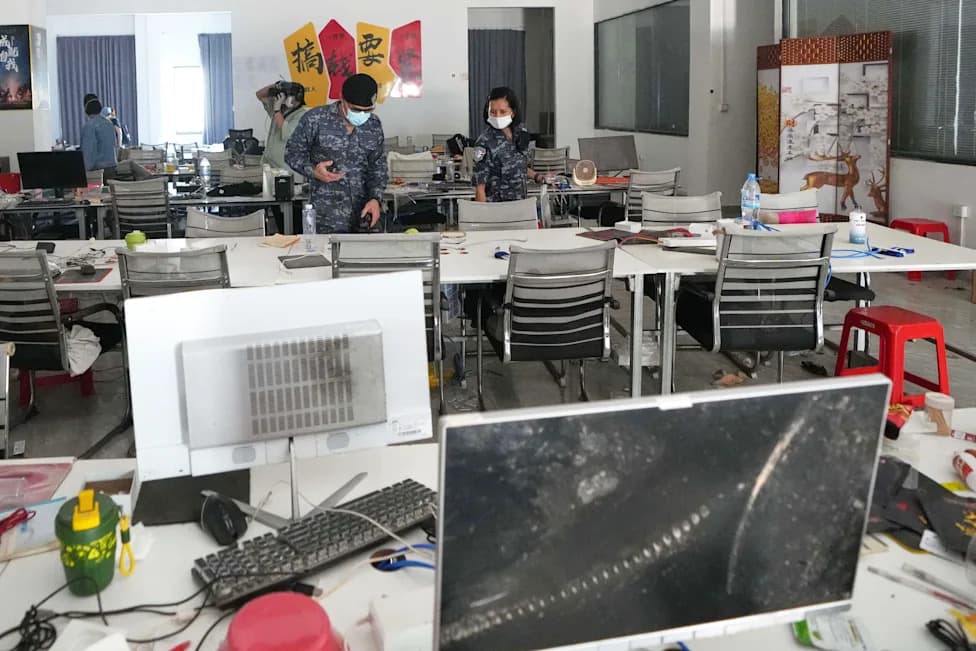
Authorities report that a recent clampdown led to thousands of arrests and the disruption of multiple centres. The campaign included the high-profile extradition of Chinese-born businessman Chen Zhi, a former adviser to Cambodia’s leadership, who was handed to Chinese authorities after Cambodia concluded he held only Chinese citizenship.
The Chen Zhi Case
U.S. prosecutors have accused Chen and his Prince Group conglomerate of operating a sprawling cyber-fraud empire and running forced-labour compounds in Cambodia. Prince Group denies the allegations. Hun Manet said Cambodian checks on Chen did not reveal wrongdoing at the time and that authorities acted once allegations emerged.
Economic and Human Costs
A 2024 report by the United States Institute of Peace estimated returns from cyberscamming in Cambodia at more than $12.5 billion a year — roughly half the country’s formal GDP. Hun Manet rejected claims that Cambodia’s economy depends on these illicit proceeds, saying the nation instead relies on tourism, manufacturing and other legitimate sectors.
Observers warn the scam industry has damaged tourism and foreign investment while fueling serious human-rights abuses: trafficked workers are sometimes confined in prison-like compounds and forced to commit fraud under threats of violence.
Regional Pressure and Next Steps
Last year, China-led regional pressure prompted coordinated crackdowns that freed thousands of scam workers from centres in Cambodia and Myanmar, with many repatriated to China. Hun Manet said the government remains committed to "cleaning out" criminal networks and restoring Cambodia’s reputation, while investigators pursue both organisers and enablers of the operations.
Key facts: thousands arrested, an estimated 100,000 people implicated, a contested $12.5bn annual return figure, and the extradition of a high-profile suspect linked to Prince Group.
Help us improve.