Jaguar Gene Therapy has completed dosing in Cohort I of its first‑in‑human JAG201 trial for SHANK3 haploinsufficiency and has advanced to Cohort II, with two patients already dosed. No treatment‑related serious adverse events or dose‑limiting toxicities have been reported. Early signals of improvement have been observed in motor, cognitive, social and communication domains. JAG201 is a single‑dose AAV9‑based SHANK3 gene replacement delivered intracerebroventricularly and holds FDA Rare Pediatric Disease designation.
Jaguar Gene Therapy Completes Cohort I Dosing in First‑in‑Human JAG201 Trial; Study Advances to Cohort II
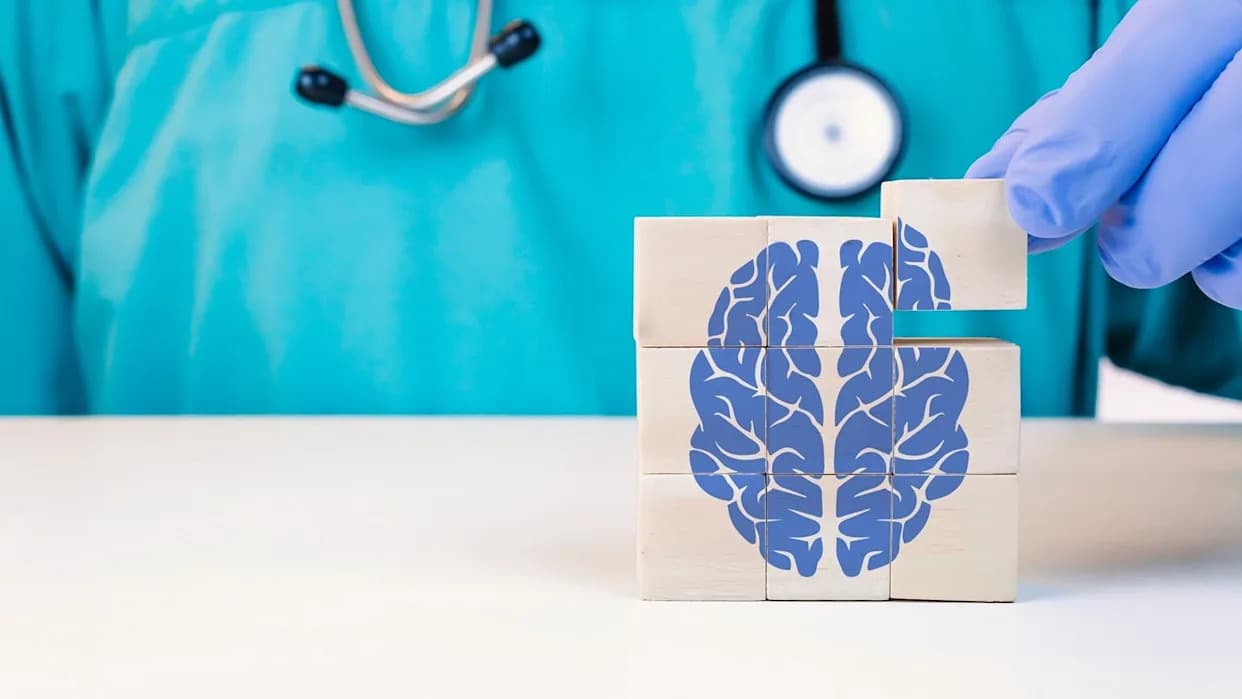
JAG201 is a one-time gene replacement therapy using an AAV9 vector delivering a functional SHANK3 minigene to neurons. Credit: Antonio Marca / Shutterstock.com.(Antonio Marca / Shutterstock.com.)
Jaguar Gene Therapy, a clinical‑stage biotechnology company, has completed patient dosing in Cohort I of its first‑in‑human study evaluating JAG201 for SHANK3 haploinsufficiency, the primary genetic cause of Phelan‑McDermid syndrome. The open‑label, dose‑escalation, multi‑centre trial is assessing safety, tolerability and early clinical activity of this one‑time gene replacement therapy.
Trial Progress and Safety
The study has moved into Cohort II; two patients in that cohort have already been dosed, and Jaguar expects to complete enrollment and dosing in Cohort II by Q2 2026. To date, investigators have not reported any treatment‑related serious adverse events (SAEs) or dose‑limiting toxicities (DLTs).
Early Clinical Signals
Investigators have observed early indications of clinical benefit across several neurodevelopmental domains, including motor skills, cognitive function, social interaction and communication. These are preliminary signals that will require confirmation as the trial progresses and more patients are evaluated.
About SHANK3 Haploinsufficiency
SHANK3 haploinsufficiency occurs when one copy of the SHANK3 gene is deleted or contains a pathogenic variant, reducing production of a protein essential for normal synaptic function in the brain. This genetic deficit is a prominent monogenic cause of autism spectrum disorder and is clinically recognized as Phelan‑McDermid syndrome.
How JAG201 Works
JAG201 is a single‑dose gene replacement therapy that uses an adeno‑associated virus serotype 9 (AAV9) vector to deliver a functional SHANK3 minigene directly to neurons in the central nervous system. The therapy is administered by unilateral intracerebroventricular (ICV) injection and is designed to restore synaptic function to support neurodevelopment and preserve key abilities.
Sites, Partnerships and Regulatory Status
The programme is being conducted at multiple centres, including Boston Children’s Hospital, Rush University (Chicago) and the Seaver Autism Center at the Icahn School of Medicine at Mount Sinai (New York City), with additional sites expected to be added. Jaguar operates under an exclusive licence from the Broad Institute of MIT and Harvard, and the company thanks advocacy groups CureSHANK and the Phelan‑McDermid Syndrome Foundation for their support.
JAG201 has received Rare Pediatric Disease designation from the US Food and Drug Administration (FDA), making the therapy eligible for a priority review voucher upon approval.
Joe Nolan, CEO of Jaguar Gene Therapy: Having dosed the first five patients with JAG201 is a significant milestone for our company and, most importantly, for the Phelan‑McDermid syndrome community. This is the first gene therapy to be clinically evaluated for SHANK3 haploinsufficiency, and we are grateful to our clinical and advocacy partners as we advance this programme.
Next Steps
Investigators will continue to monitor safety and collect efficacy measures across neurodevelopmental domains as the trial completes Cohort II and proceeds to subsequent cohorts. Longer follow‑up and larger patient numbers will be needed to determine the therapy's clinical benefit and durability.
Source: Originally published by Clinical Trials Arena (GlobalData). The information above is provided for general informational purposes only and should not be considered medical advice. Consult a qualified professional before making medical decisions.
Help us improve.