Archaeologists opened a ~2,000-year-old sarcophagus in the Tomb of Cerberus near Giugliano, northwest Naples, uncovering a face-up body wrapped in a mineralized shroud and surrounded by ointment jars and cleansing implements. Laboratory tests indicate the body was treated with creams containing Chenopodium (goosefoot) and absinthe, and ongoing DNA and pollen analyses aim to provide broader social and cultural context. Conservators are analyzing the shroud's fibres and other materials to learn about textile quality and funerary practices. Officials say the find offers significant multidisciplinary research opportunities to better understand life in the region two millennia ago.
2,000-Year-Old Sarcophagus in Naples Yields Exceptionally Preserved Body and New Clues to Ancient Rituals
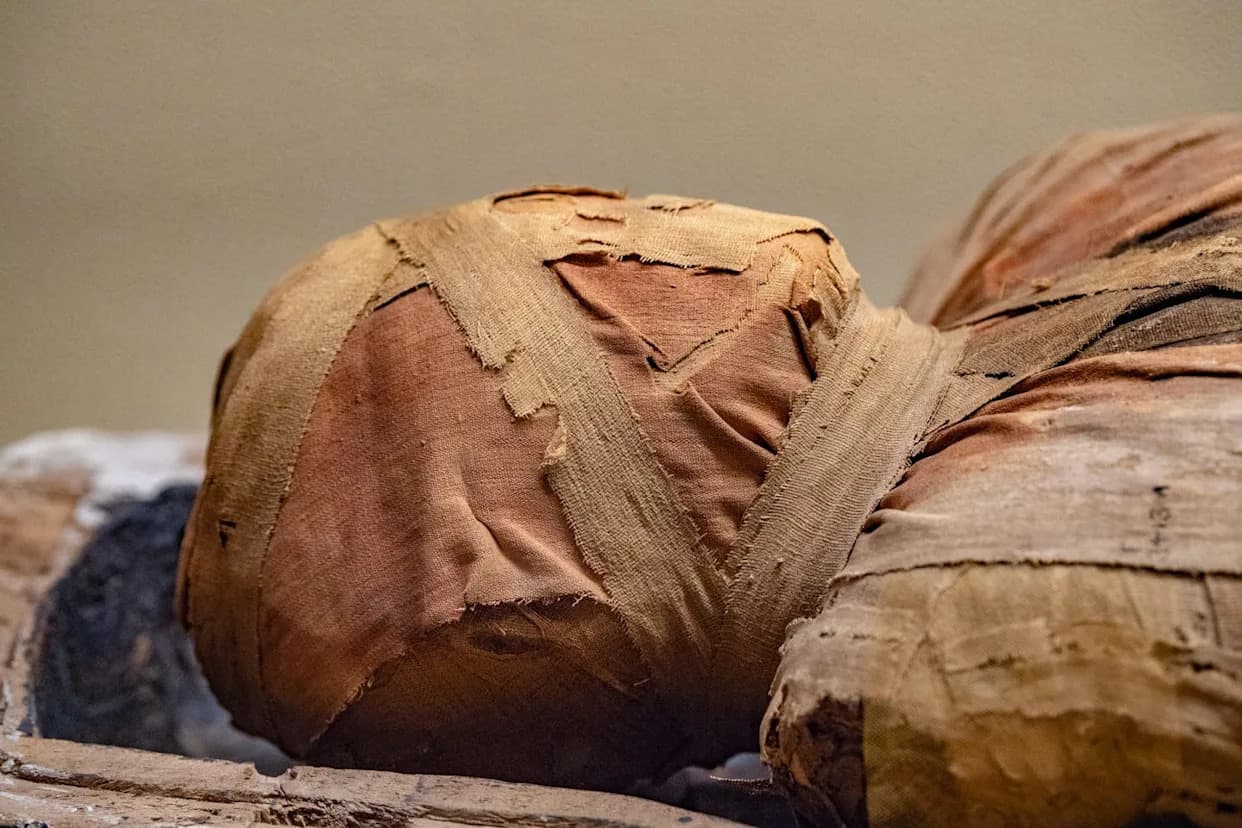
Sarcophagus Sealed for 2,000 Years Finally Openedizanbar - Getty Images
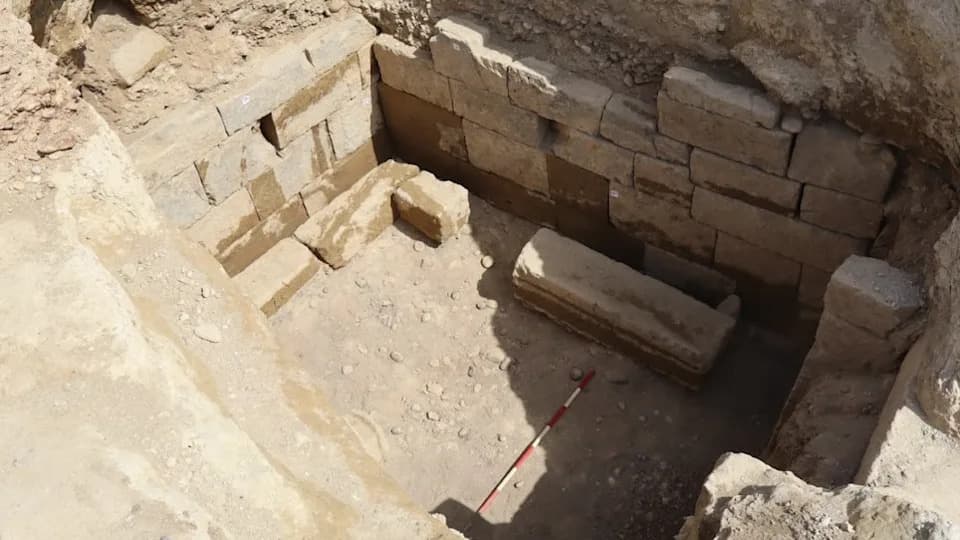
Archaeologists have unsealed a roughly 2,000-year-old sarcophagus in the Tomb of Cerberus at Giugliano, northwest of Naples, and discovered a remarkably well-preserved individual wrapped in a shroud. The find—made after an initial inspection with a micro camera—offers new material for multidisciplinary research into burial practices, textile production and funerary chemistry in the Roman era.
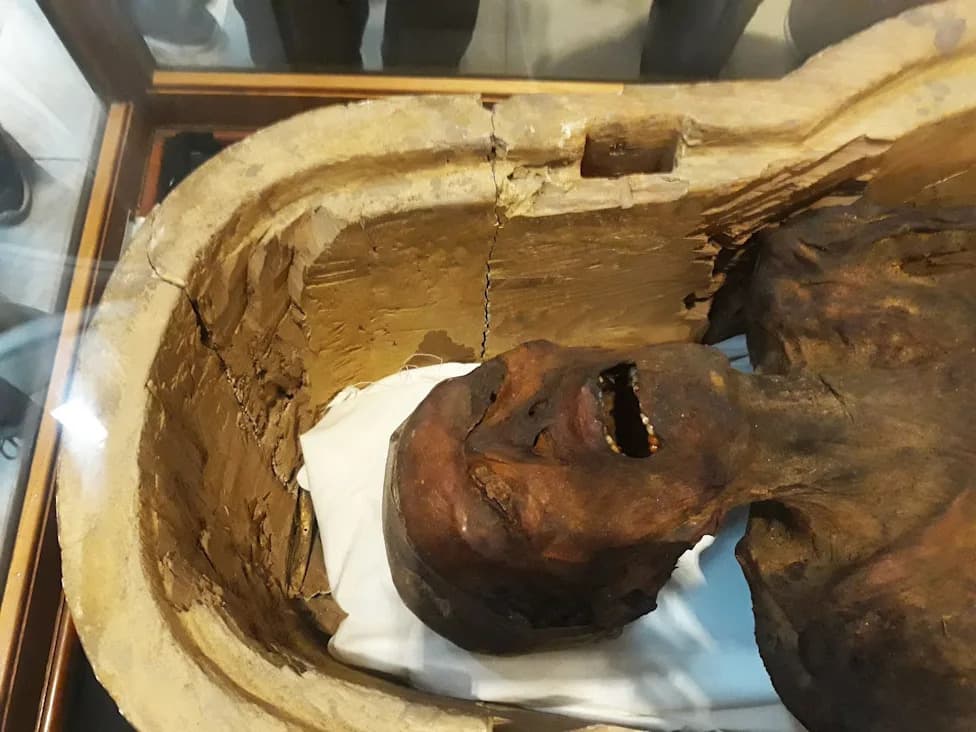
After confirming the integrity of the sealed burial with remote imaging, the excavation team led by Simona Formola opened an inner compartment that had remained closed for millennia. Inside they found a body lying face-up and described as being in an excellent state of preservation by the Superintendent of Archaeology, Fine Arts and Landscape for the Naples Metropolitan Area. The deceased was wrapped in a mineralized shroud and accompanied by several ointment jars and implements likely used for body cleansing and preparation.
Archaeologists suggest that the careful treatment of the remains and the quality and quantity of grave goods indicate the individual may have been the family member for whom the mausoleum was originally constructed.
“The Tomb of Cerberus continues to provide valuable information on the Phlegraean territory near Liternum,” said Marian Nuzzo, a superintendent with the Italian Ministry of Culture. “It expands knowledge of the past and offers opportunities for research of a multidisciplinary nature.”
Laboratory analyses on samples from the burials and depositional layers have already produced substantial data about funerary rituals and body treatment. Conservators believe the shroud’s fibres became mineralized because of the burial chamber’s specific microclimate; fabric analysis is ongoing to identify weave structure, fibre type and yarn quality—details that could help determine the deceased’s social status and local textile practices.
Chemical and organic-residue testing indicates that preservative creams applied to the body contained extracts of Chenopodium (goosefoot) and components associated with absinthe. Teams are also conducting DNA and pollen analyses and examining other organic residues recovered from the sarcophagus. Together, these lines of evidence aim to reconstruct funerary procedures and the broader social and cultural landscape of the necropolis near Liternum and the Phlegraean area two millennia ago.
Conservation specialists stress that continued careful sampling, non-invasive analysis and controlled laboratory testing are essential to preserve contextual information. The Ministry of Culture and the excavation team say the Tomb of Cerberus will remain a focal point for further multidisciplinary study that could shed light on Roman funerary rites, local economies and regional connections in antiquity.
Help us improve.