The Navy’s analysis of exit surveys found high operational tempo and long sea tours are pushing sailors to leave. Leaders are considering cutting second sea tours from 50–60 months to about 36–48 months and expanding shore-technical and instructor assignments to reduce time away from family. Additional steps include fewer PCS moves by FY2030, wider career choice for sailors, and an AI-driven retention tool to alert commands when sailors approach reenlistment windows.
Navy Considers Shorter Second Sea Tours To Reduce Burnout and Improve Retention
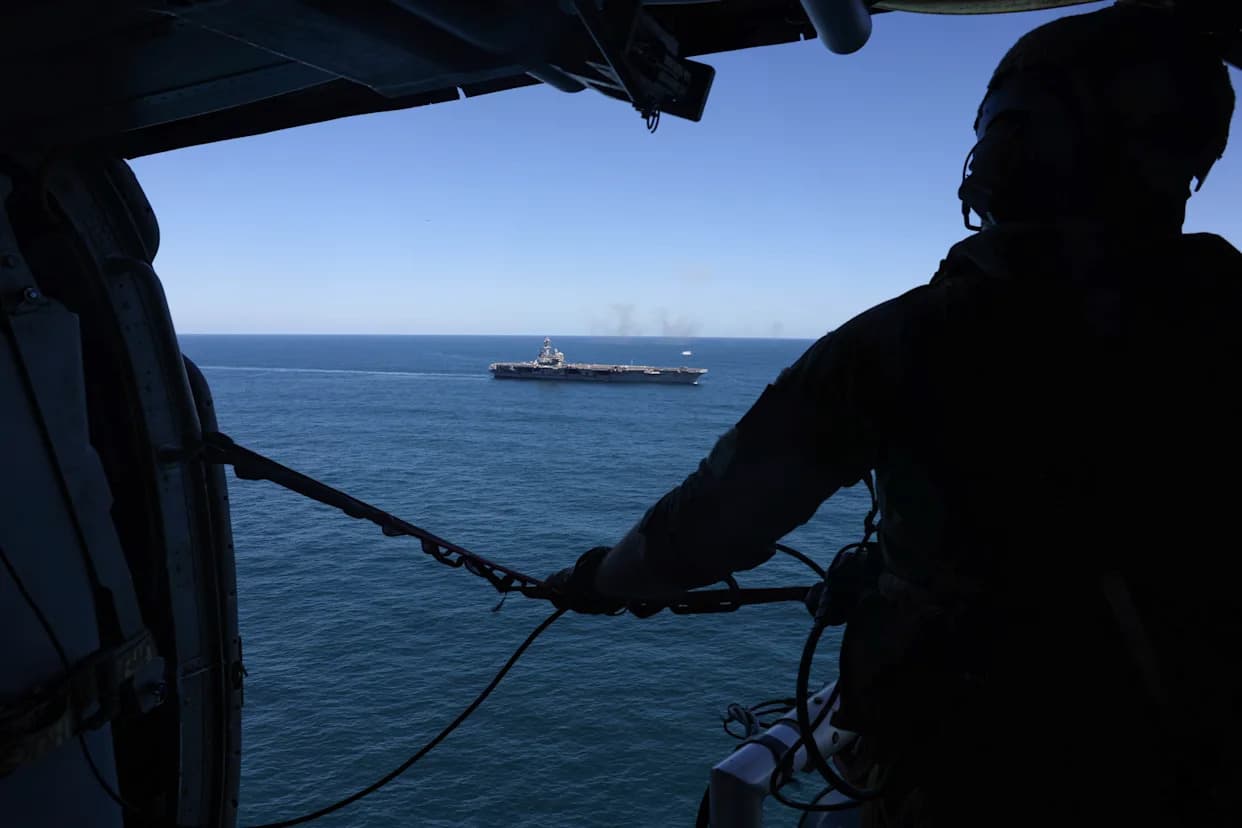
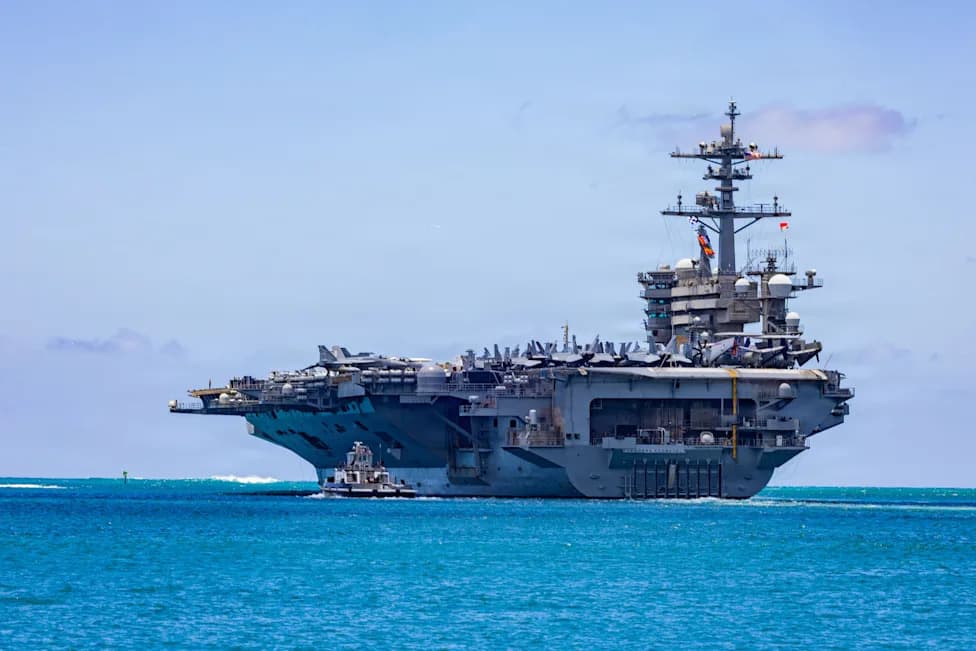
An aircrewman observes the USS George H.W. Bush (CVN 77). (Mass Communication Specialist 2nd Class Marieliza Rosales/Navy)(Petty Officer 2nd Class Marieliz)
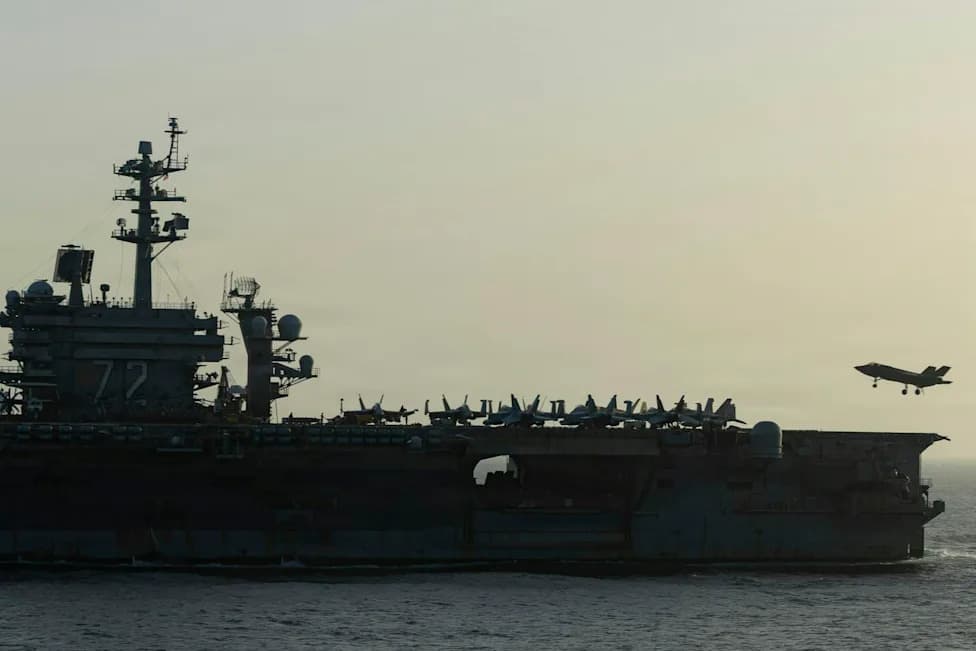
An analysis of exit surveys from departing sailors has made one thing clear: many in the fleet are burned out from high operational tempo and extended sea duty. Rear Adm. Jennifer Couture, the Navy’s director of Military Personnel Plans and Policy, told Military Times that the service is exploring personnel changes — including shortening second sea tours — to make Navy life more sustainable and encourage sailors to remain in uniform longer.
Why Change Is Being Considered
Couture said Navy manpower officials reviewed exit-survey data about a year ago to pinpoint why sailors, particularly at mid-career points, were leaving. The most common answer: operational tempo — the steady rhythm of deployments and mission demands that keeps sailors away from home for long stretches.
“The number one reason sailors [gave] was op tempo,” Couture said, adding that leaders focused on the balance between sea and shore assignments.
Proposed Shift To Sea-Shore Flow
The analysis revealed that roughly three-quarters of Navy ratings are sea-intensive. Combined, many sailors’ first and second sea tours total about 50–60 months. To reduce prolonged time away from family, Navy leaders are considering trimming second sea tours to roughly 36–48 months — a reduction that could shorten some sailors’ time at sea by nearly one-third.
Family-Focused Quality-Of-Life Initiatives
Other initiatives aim to ease family pressure and give sailors more career agency. Couture cited the Defense Secretary’s goal to halve permanent change-of-station (PCS) costs by Fiscal Year 2030 by moving troops less often. For the Navy, that means exploring policies that let sailors remain in one location for multiple tours if they prefer, and expanding the range of assignment options detailers offer so sailors and their families can make informed choices.
“A model that presents sailors with a take-it-or-leave-it path for career progression can be really degrading to quality of service,” Couture said of rigid assignment structures.
Shore Technical Assignments And Instructor Roles
Couture highlighted efforts to place more sailors in intermediate maintenance facilities and instructor billets ashore — roles that preserve and deepen technical skills while reducing sea time. She pointed to comments by Chief of Naval Operations Adm. Daryl Caudle supporting greater use of shore maintenance jobs to keep sailors technically current.
Recruiting, Retention And Targeted Tools
The Navy posted historic recruiting totals in Fiscal 2025, a turnaround leaders attribute to removing recruiting obstacles and improving marketing. Retention remains strong overall — the Navy exceeded more than 99% of its reenlistment goals last year — but gaps persist in key billets, especially senior enlisted roles.
One notable success: the 2023 senior enlisted marketplace for master chief petty officers, which increased fill rates for fleet master chief and master chief positions from a historical average of about 40% to roughly 92% in three years. That model is informing broader efforts to add flexibility to other communities.
An AI-Powered Retention Tool
Personnel officials are developing a “retention demand planning tool” that leverages artificial intelligence and machine learning to give commanders at-a-glance information on which sailors are approaching reenlistment windows or are critical to retain. Couture imagines a future where commanding officers can quickly see when a sailor is up for reenlistment and take action during career-development boards to encourage retention.
“It really engages the command to rally around the sailor to make sure that the sailor is getting a good fit,” Couture said, noting the tool will benefit both sailors and the Navy’s investment in their training.
The proposed changes aim to balance operational needs with sailors’ wellbeing — shortening certain sea tours, expanding shore-based technical opportunities, reducing disruptive moves, and using data-driven tools to target retention efforts.
Help us improve.