Summary: Lawmakers left Washington before DHS funding lapsed because negotiators were not near a deal that could pass both chambers or clear a Senate filibuster. With no substantive floor business and only a small group doing the heavy bargaining, leaders judged that keeping hundreds of idle members in DC would produce spectacle, not solutions. The sure sign of progress will be the Hill filling up again — when leaders believe a bill can secure the necessary votes.
Why Letting Lawmakers Leave DC May Have Worsened — Not Helped — the DHS Shutdown
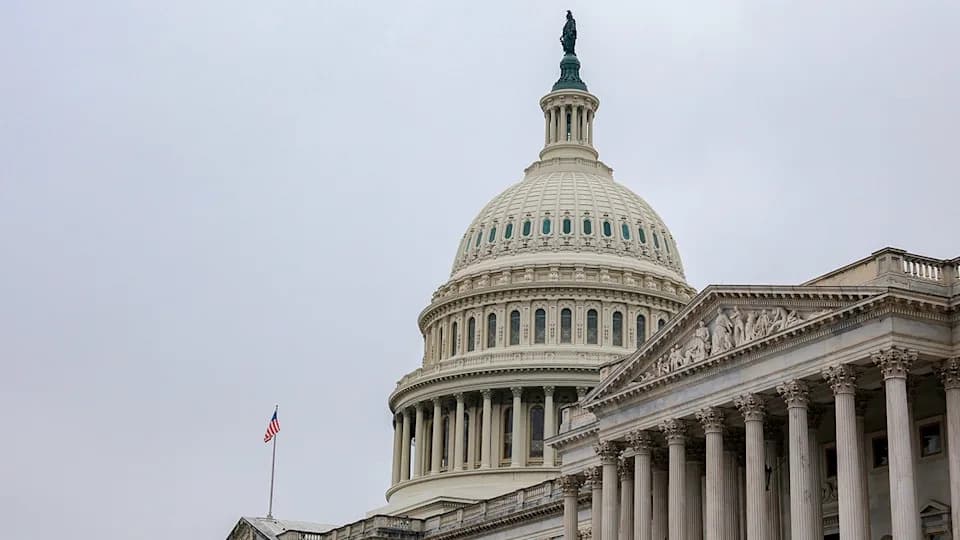
Senate Democrats blocked a short-term funding bill, stalling efforts to keep DHS and its agencies operating.(Getty Images)
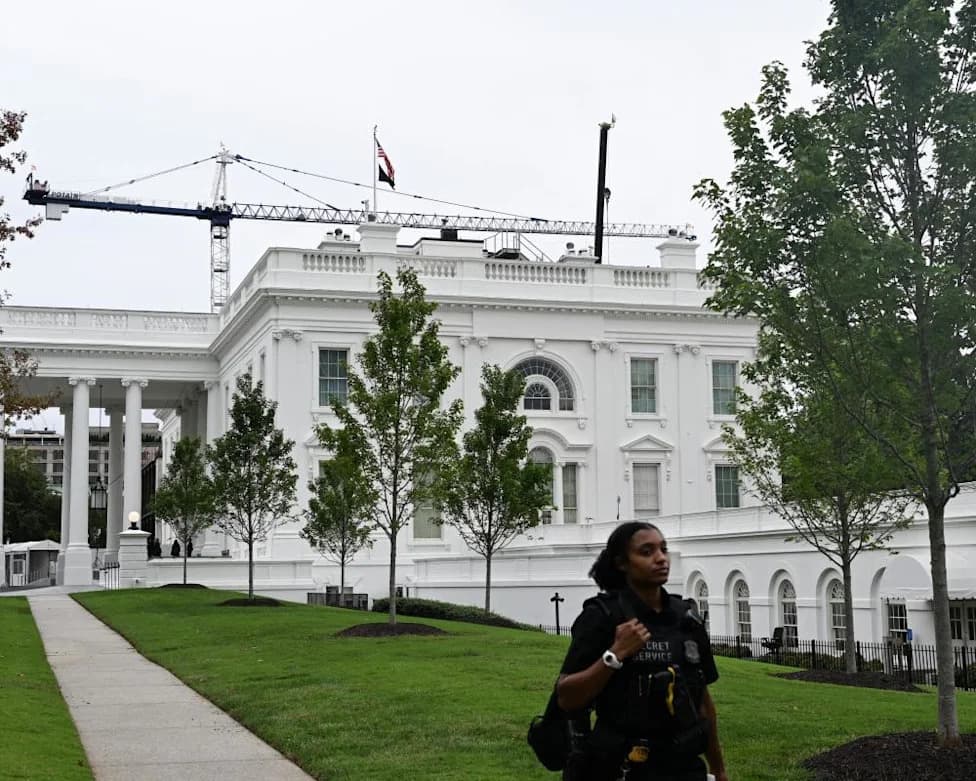
“I can’t believe they just left!” “Why didn’t they just stay until they fixed it?” “Why didn’t they make them stay?” Those were common refrains I heard repeatedly last week — from colleagues, friends, other reporters and even some Congressional aides — after lawmakers cleared the Capitol and the Department of Homeland Security (DHS) lost funding at 12:00:01 a.m. ET on Saturday.
How the Deadline Passed
The Senate made two late attempts on Thursday to head off a partial government shutdown but failed. Senators could not overcome a filibuster on a placeholder funding measure, and later Sen. Chris Murphy (D-Conn.) objected to Sen. Katie Britt’s (R-Ala.) request for unanimous consent to approve a two-week stopgap bill. Because unanimous consent was required, a single objection stalled the maneuver. Frustrated on the floor, Britt shouted,
“I’m over it!”as the chamber’s failure pushed parts of the federal government into their third funding lapse since Oct. 1.
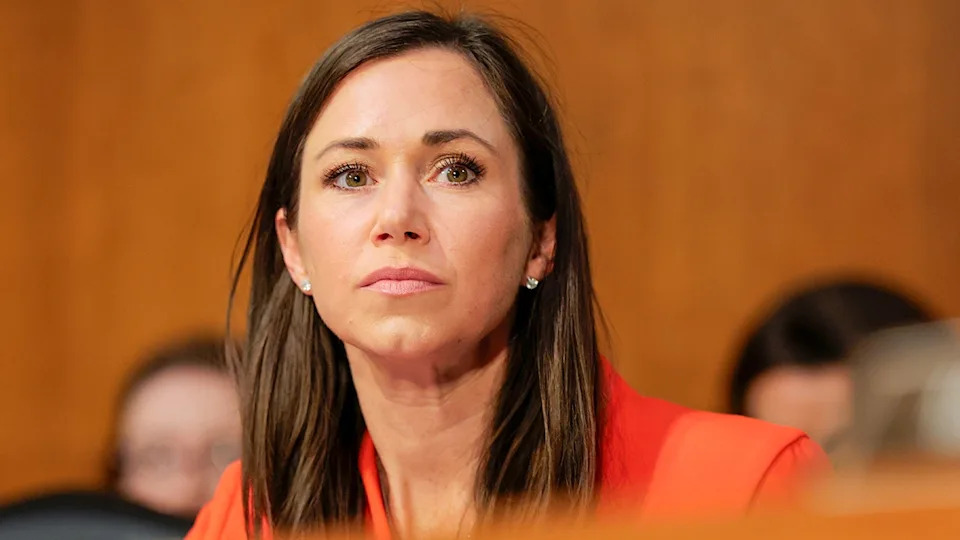
Sen. Katie Britt vented frustration on the Senate floor after her stopgap bill was blocked.
Why DHS Was Caught in the Crossfire
DHS oversees TSA, the Coast Guard and FEMA, among other agencies. Because Democrats are insisting on specific ICE reforms before approving DHS funding — pressure amplified by activists after the killings of Renee Good and Alex Pretti in Minneapolis — funding did not pass. The irony is that Republicans previously funded ICE through 2029 in last year’s broad spending package, yet the current impasse left TSA screeners, Coast Guard personnel and FEMA staff working without pay.
Politics, Procedure and the Case for Letting Members Leave
As a reporter who has followed numerous shutdowns and continuing resolutions (CRs), I can say these fights typically involve a series of stopgap measures that keep funding at prior levels while negotiations continue. But in this instance, negotiators were not close to a deal that could pass both chambers or overcome a Senate filibuster. Key offers and counteroffers trickled back and forth, and for days there simply wasn’t a viable package.
TSA officers, Coast Guard members and FEMA staff are working without pay as the DHS funding lapse drags on.
When there is no clear path to resolution, keeping hundreds of rank-and-file members in Washington often does more harm than good. With little to vote on, no committee business scheduled and few productive tasks for most lawmakers, a prolonged presence on Capitol Hill can amplify spectacle: heated social-media posts, cable-TV stunts and other distractions that complicate negotiations rather than help them. The real bargaining usually happens with a small set of negotiators in the House, the Senate and the White House.
When Leaders Would Have Kept Members
By contrast, when leaders believe a deal is within reach, they will suspend recesses and keep members in town to pressure holdouts, make last-minute concessions and secure votes. That dynamic — the discomfort of staying put combined with focused arm-twisting — often creates the momentum needed to pass a contentious package. But leaders judged that the bargaining here had not reached that inflection point, so they allowed members to leave and let principal negotiators continue talks remotely.
What to Watch For
The clearest sign that negotiators have a workable agreement will be when the Hill fills up and members return en masse. When everyone is back and there are votes scheduled, that will indicate leaders believe a bill can pass both chambers.
Ultimately, the choice to let lawmakers leave was a political and procedural calculation: avoid the chaos of idle legislators on the Hill when no deal is imminent, while accepting the short-term consequences for DHS components and their employees. Whether that was the right call will be judged by how quickly negotiators can produce a funding deal and restore pay and stability to critical homeland agencies.
Help us improve.