Summary: Turkey has deepened its military, economic and diplomatic engagement in Africa, a shift analysts say complicates U.S. strategy. Reports allege Turkish firms supplied drones to both sides in Sudan’s conflict, highlighting a perceived transactional approach that prioritizes access and influence over stability. Trade between Turkey and Africa rose from $5.4 billion in 2003 to $41 billion in 2024, and Turkey now operates 44 embassies and routes to 64 African destinations.
Analysts Say Turkey’s Expanding Footprint in Africa Is Complicating U.S. Strategy
Turkey's growing reach in Africa seen complicating US strategy, analysts warn
Turkey’s rapid expansion across Africa — through arms sales, trade, diplomacy and education — is reshaping regional dynamics in ways that analysts say complicate U.S. policy goals. Ankara has deepened commercial and security ties with multiple African states, and some observers warn this posture prioritizes access and influence over long-term stability.
What Analysts Are Warning
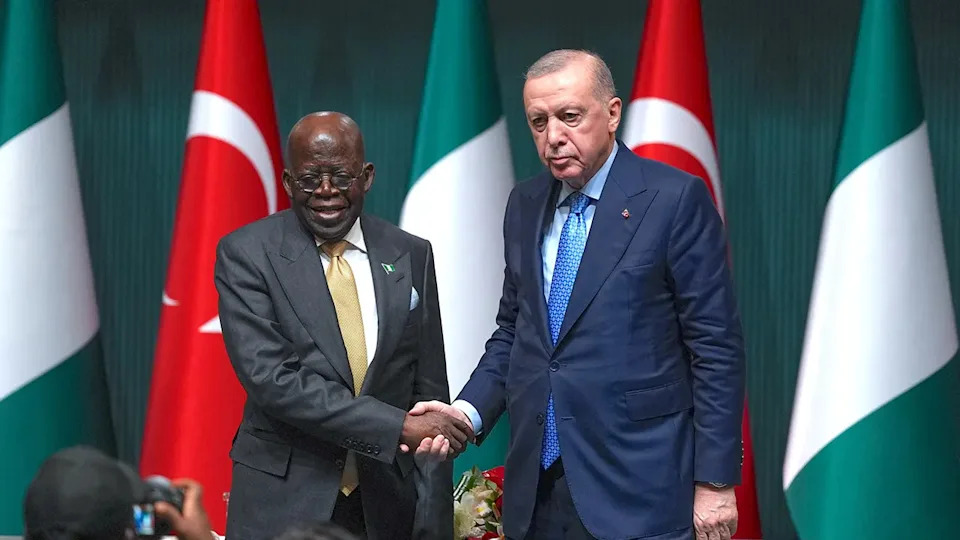
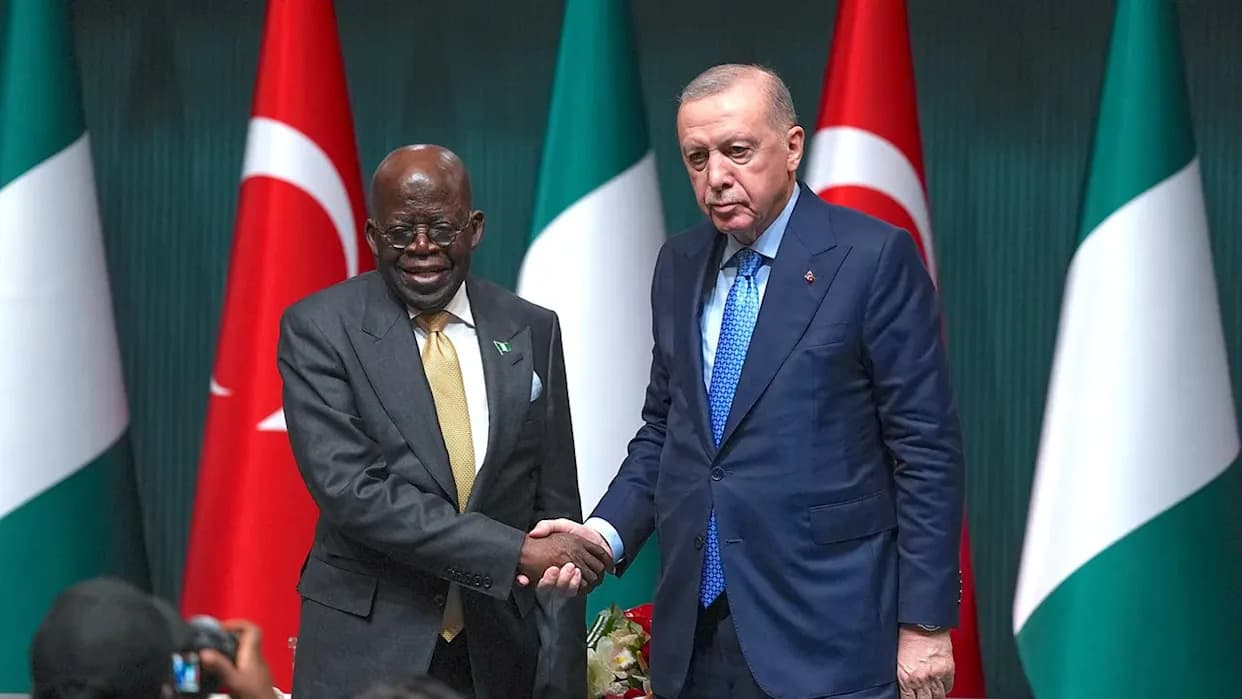
Turkish President Recep Tayyip Erdogan and Nigerian President Bola Ahmed Tinubu shake hands after a joint press conference in Ankara on Jan. 27, 2026.(Getty Images)
Experts argue that Turkish arms exports often appear transactional, focusing on market access and geopolitical influence rather than the effects those weapons may have on local power balances. "Turkey is really capitalizing on all these conflicts in Sudan, in Ethiopia, in Somalia, to strengthen its military presence, its diplomatic and economic engagements," Turkey specialist Gönül Tol told a seminar at the American Enterprise Institute. Tol added that Turkey is "one of the top, top weapons providers to Africa," and that growing instability could further bolster President Recep Tayyip Erdogan’s influence.
Allegations Over Drone Transfers
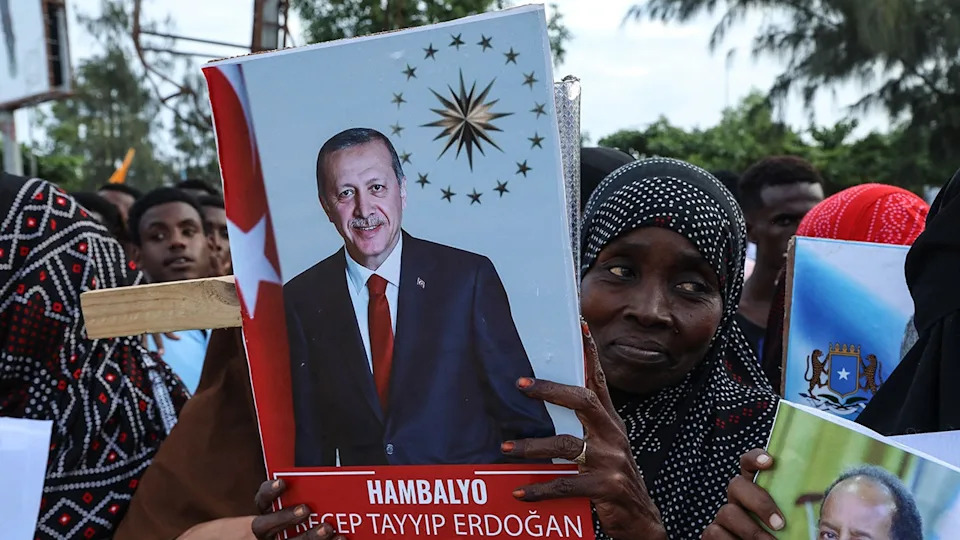
Somalis celebrate the victory of Turkish President Recep Tayyip Erdogan after he won the presidential runoff election, in Mogadishu, on May 29, 2023.
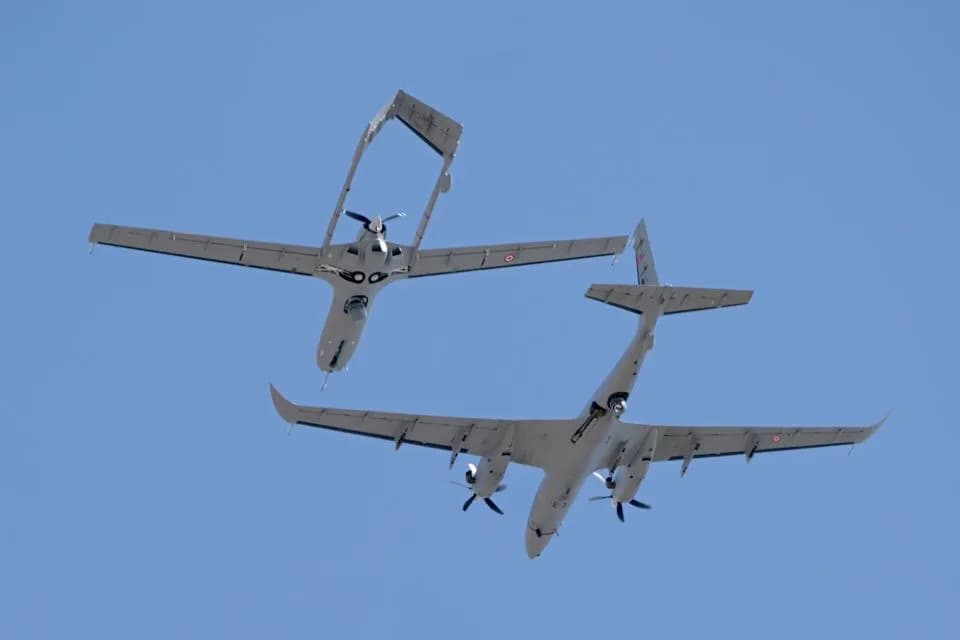
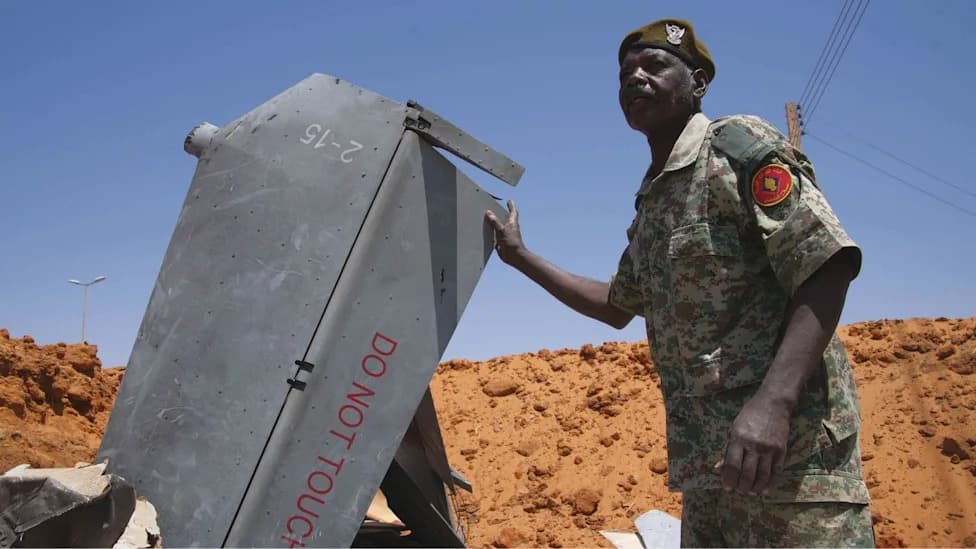
Multiple reports allege Turkish firms have supplied military drones to both sides of Sudan’s three-year conflict, a claim that U.S. officials say would contravene American policy aimed at reducing external military support. Mariam Wahba of the Foundation for Defense of Democracies told Fox News Digital that "Turkish drones, marketed as cost-effective and politically low-friction alternatives to U.S. or European systems, have proliferated across African conflict zones."
"Reporting that Turkish firms supplied drones to both the Sudanese Armed Forces and the Rapid Support Forces underscores Ankara’s transactional approach," Wahba said.
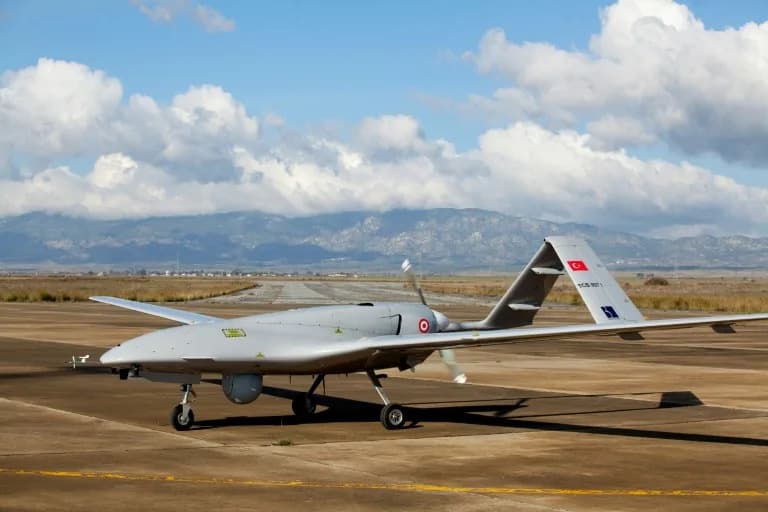
A 2025 FDD report by Sinan Siddi alleges a $120 million Baykar deal supplying six TB2 drones, three ground control stations and 600 warheads to the Sudanese Armed Forces, a transaction Siddi says followed U.S. sanctions intended to limit such sales. Other reports link TB2 transfers to the Rapid Support Forces, but the company named in some accounts has publicly denied making such a sale. Turkish government and company representatives did not respond to requests for comment cited in those reports.
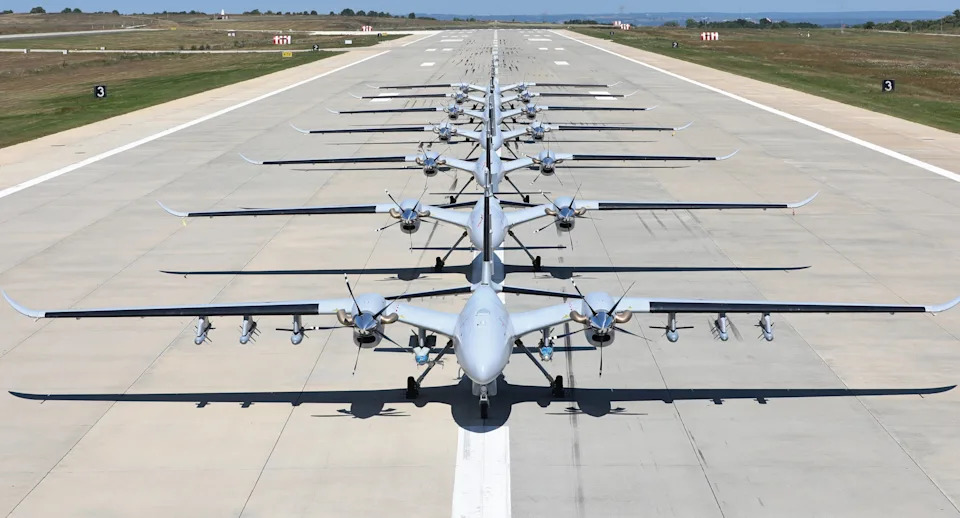
Bayraktar Akinci unmanned aerial vehicles at Flight Training and Test Center in Istanbul, Turkey, on July 5, 2022.
Cost, Capability and Regional Appeal
The TB2 is widely discussed as a lower-cost alternative to Western systems: some reports note it costs roughly one-sixth of a U.S. Reaper, while U.S. Africa Command’s Africa Defense Forum notes that combat aircraft packages commonly range from $2–$15 million depending on equipment and training included. The TB2 is often characterized as cost-efficient, with relatively low per-hour operational costs.
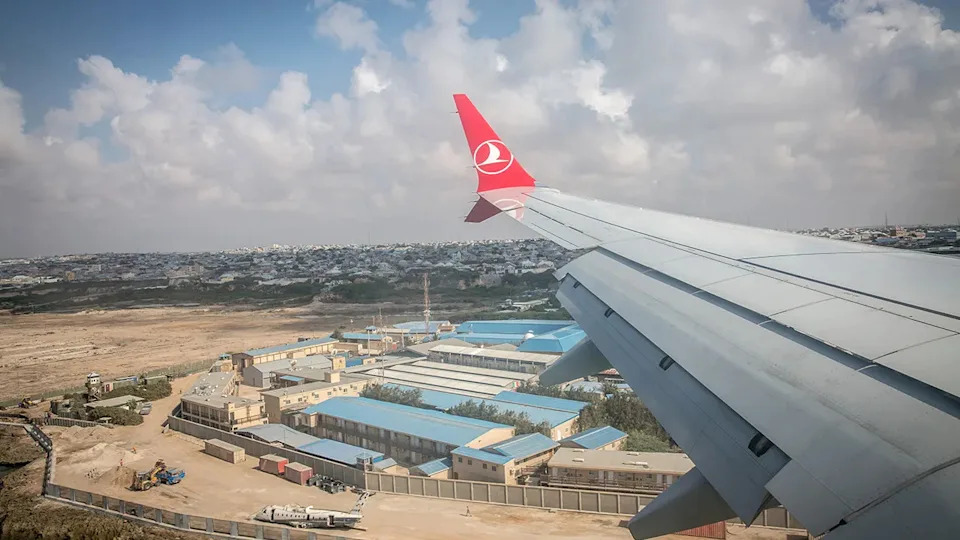
A Turkish Airlines flight arrives in Mogadishu in Oct. 2022.
Economic And Diplomatic Surge
President Erdogan told an October business forum that trade between Turkey and Africa rose from $5.4 billion in 2003 to $41 billion in 2024, and pointed to state-backed Turkish Airlines — which flies to 64 African destinations — as a conduit for commerce and influence. Turkey has also expanded its diplomatic footprint: the number of Turkish embassies in Africa grew from 12 in 2002 to 44 today.
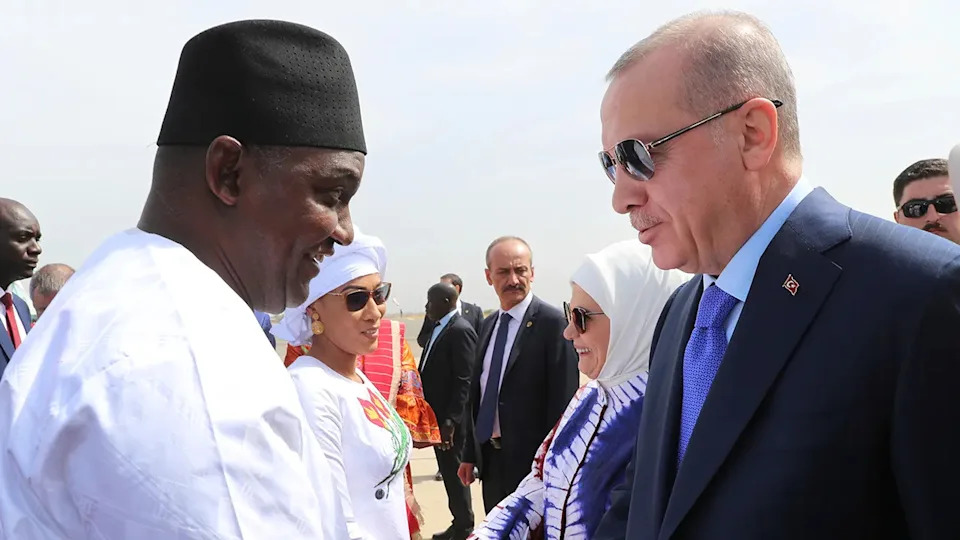
Gambia's President Adama Barrow welcomes Turkey's President Recep Tayyip Erdogan in Banjul, Gambia, Jan. 27, 2020.
Implications For U.S. Policy
Analysts caution that Turkey’s model — combining defense exports, commercial ties and diplomatic outreach with fewer political conditions — can undercut Western efforts to promote stability and conflict mitigation. Sinan Siddi argued that these transfers are not just commercial transactions but part of a strategy to secure leverage, gain access to ports and contracts, and cultivate client relationships with governments and nonstate actors.
Responses And Remaining Questions
U.S. officials say they are working with allies to curb external military support that fuels conflicts. When asked about allegations of Turkish firms operating in Sudan, a State Department spokesperson referred questions to the Government of Turkey. Turkish authorities and companies named in some reports have not publicly responded to all requests for comment referenced in the reporting. Many of the claims remain contested and, in some cases, are the subject of independent verification.
Takeaway
Turkey’s expanding presence in Africa — through cheaper defense systems, growing trade ties and diplomatic outreach — is changing the regional balance and presenting new challenges for U.S. strategy. While some developments reflect legitimate commercial and diplomatic engagement, analysts warn that arms transfers to conflict zones risk prolonging violence and complicating Western efforts to stabilize the continent.
Help us improve.