House Oversight Chair James Comer has subpoenaed Bill and Hillary Clinton to give recorded depositions about material in the Jeffrey Epstein files. Bill Clinton has denied wrongdoing but acknowledged flying on Epstein’s plane; Hillary says she never met Epstein. The move recalls Bill Clinton’s 1998 sworn testimony and could either hurt the Clintons or backfire politically on Republicans by energizing sympathy. Observers note the Clintons’ diminished standing—especially among younger Democrats—and question whether Bill Clinton, now 79, retains his former rhetorical edge.
Clintons Subpoenaed Over Epstein Files — Could the Republican Move Backfire?
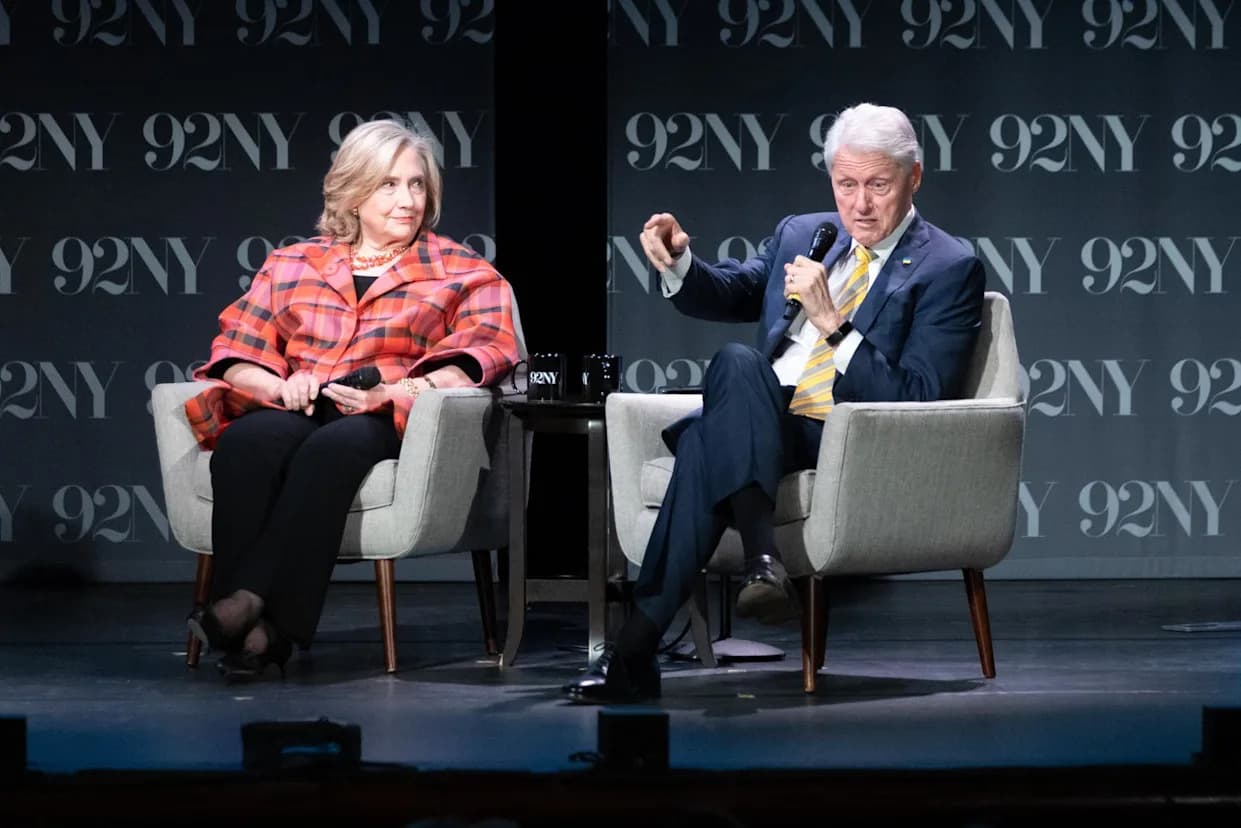
Hillary and Bill Clinton at the 92nd Street Y in New York City in 2023.Photograph: Jeenah Moon/Bloomberg via Getty Images(Photograph: Jeenah Moon/Bloomberg via Getty Images)
House Oversight Chair Rep. James Comer has subpoenaed Bill and Hillary Clinton to give recorded depositions about their ties to Jeffrey Epstein, reviving a political drama that many voters who remember the 1990s will find familiar. The sessions will be conducted privately but recorded, with footage expected to be released later.
What’s At Issue
The subpoenas ask the Clintons to answer questions about material in the Jeffrey Epstein files. Bill Clinton has denied any wrongdoing but has acknowledged multiple trips on Epstein’s private plane. Newly released documents and photos include an image of Clinton in a hot tub with Epstein and a woman whose identity is redacted. Hillary Clinton says she never met Epstein but has confirmed meeting Ghislaine Maxwell, Epstein’s partner and later convicted co‑conspirator.
Why Republicans Are Pressing
Republicans say the probe is about oversight and transparency. Politically, the inquiry also presents a chance to shift attention from questions about former President Donald Trump’s own connections to Epstein. Many Democrats and Clinton allies view Comer’s move as partisan and warn it could energize sympathy for the Clintons instead.
“When in doubt, attack Bill Clinton,” said Matt Bennett, founder of Third Way and a former Clinton White House aide, warning that such attacks have at times produced political rebounds for the Clintons.
Historical Parallel: 1998
The situation echoes 1998, when Bill Clinton gave sworn, on‑camera testimony in the Paula Jones civil suit and before a grand jury over his relationship with Monica Lewinsky. That episode produced the Starr report, impeachment by the House, and acquittal by the Senate. Despite the scandal, Clinton’s public approval rebounded—peaking at 73% the week of his impeachment—and Democrats even gained House seats in the 1998 midterms.
What Could Happen Now
Analysts are divided. Some argue the hearings could backfire on Republicans by reminding voters of past overreaches and by humanizing the targets. Others note the Clintons’ political standing has eroded: Hillary’s defeat in 2016, the impact of the #MeToo movement, and generational changes in the Democratic Party mean fewer younger Democrats are inclined to defend Bill Clinton uncritically. A majority of House Democrats on the oversight panel have signaled they would support holding the Clintons in contempt if they refuse to comply with subpoenas.
Personal Factors
Observers also point to Bill Clinton’s age—79—and question whether he still has the communicative vigor that once made him a formidable political presence. Some allies, however, say both Bill and Hillary know how to handle high‑stakes testimony: Hillary’s 11‑hour appearance before the Benghazi select committee in 2015 is often cited as an example of a partisan attack that failed to stick and even boosted her campaign fundraising.
Bottom Line
The depositions will test whether Republicans can turn Epstein‑related material into lasting political damage for the Clintons, or whether the move will be seen as another partisan spectacle that ultimately rebounds against them. Much will depend on the substance revealed in the files, how the recorded sessions are edited and released, and how the public — including younger voters less familiar with the 1990s battles — responds.
Key Sources & Quotes: Matt Bennett (Third Way), Bill Galston (Brookings), Sidney Blumenthal (former Clinton aide), and David Maraniss (biographer of Bill Clinton) provided analysis and context for the political dynamics at play.
Help us improve.