U.S. intelligence agencies say China carried out a clandestine explosive event at Lop Nur in June 2020 and that follow‑on intelligence links the test to development of next‑generation warheads, including miniaturized multiple warheads and low‑yield tactical weapons. Seismic data (magnitude 2.75) and additional intelligence reportedly support the assessment, while China denies the allegations and reiterates a testing moratorium and no‑first‑use stance. The disclosures intensify debate over China’s nuclear posture, broader modernization, and the future of arms‑control talks.
Exclusive: U.S. Intelligence Ties Secret June 2020 Lop Nur Explosion to China’s Push for Next‑Generation Nuclear Arsenal
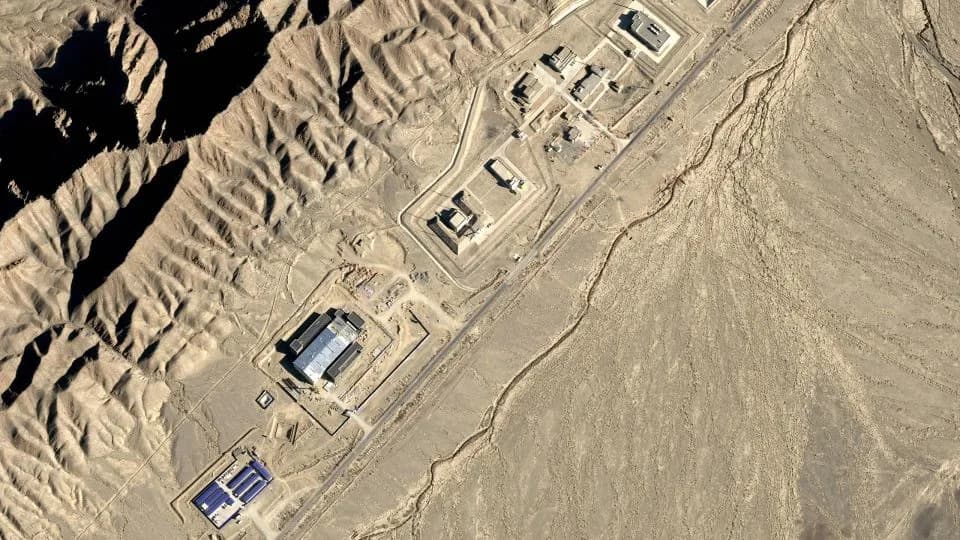
A suspected nuclear weapons handling facility at the Lop Nur test site in China, seen on December 2, 2025 - Airbus
U.S. intelligence agencies assess that China carried out a clandestine explosive event at the Lop Nur test site in northwest China in June 2020 and that the event was linked to efforts to develop a new generation of nuclear warheads, according to multiple sources familiar with the assessments. Officials say the program includes work on miniaturized multiple warheads and potential low‑yield tactical weapons.
What U.S. Officials Say
U.S. State Department and intelligence officials publicly disclosed the date, location and seismic data for the June 2020 event this month. Assistant Secretary of State Christopher Yeaw described the signal as an "explosion" with a seismic magnitude of 2.75 and said the pattern was inconsistent with mining blasts or an earthquake. Under Secretary for Arms Control Thomas DiNanno also said U.S. intelligence had uncovered evidence of explosive testing and preparations for tests with yields in the hundreds of tons.
Why Officials Believe It Matters
Sources told CNN and other outlets that follow‑on intelligence collection strengthened the assessment that the event supported modernization of warhead designs. U.S. analysts say China appears to be pursuing:
- Multiple, miniaturized warheads on a single delivery vehicle (MIRV‑like capabilities)
- Low‑yield, tactical nuclear weapons designed for regional use
- Improved survivability and maneuverability for forces to reduce vulnerability to a preemptive strike
Analysts point out that China historically relied on a small, but growing, stockpile and limited test data—about 45 tests, many of which were atmospheric and poorly instrumented—which could leave gaps designers now seek to fill.
Chinese Response
“The United States has distorted and smeared China’s nuclear policy,” Liu Pengyu, a spokesman for the Chinese Embassy in Washington, said. He called the allegations "entirely unfounded," reiterated China's adherence to a testing moratorium and its no‑first‑use policy, and urged the U.S. to honor its own commitments under the Comprehensive Nuclear‑Test‑Ban Treaty.
The Pentagon declined to comment on intelligence assessments tied to specific alleged test events, while public U.S. defense assessments have warned that China’s expanding and modernizing arsenal could create new coercive options in a crisis.
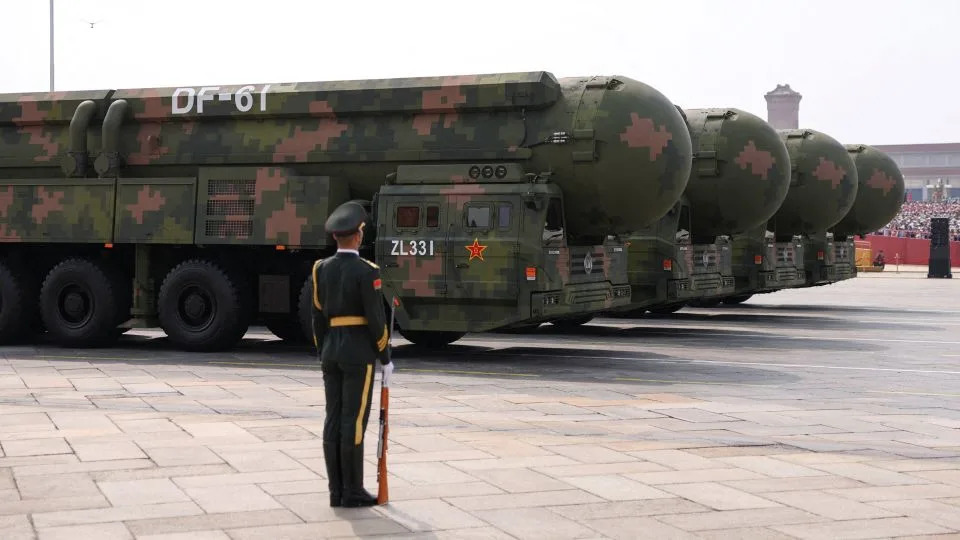
A member of the People's Liberation Army stands as the strategic strike group displays DF-61 nuclear missiles during a military parade to mark the 80th anniversary of the end of World War Two, in Beijing, China, on September 3, 2025. - Tingshu Wang/Reuters/File
Strategic Context and Reactions
U.S. officials and analysts say the modernization drive is narrowing the technical gap between China and the established nuclear powers, the U.S. and Russia, and could produce capabilities neither currently fields. A 2024 Defense Intelligence Agency report characterized China’s effort as the most rapid and ambitious modernization in its history, driven in part by strategic competition with the United States.
Some sources noted the timing of the public disclosures — nearly six years after the event — may be intended to shape diplomatic leverage, including arguments that China should be included in future arms‑control discussions. The release also coincides with public pressure for Beijing to engage in new nuclear accords and with rhetoric from former President Donald Trump suggesting the U.S. might consider resuming explosive testing.
Uncertainties and Intelligence Tradecraft
U.S. officials acknowledge seismic data alone cannot definitively identify the event as a nuclear test or explain its technical purpose; additional intelligence collected since June 2020 has been cited as critical to the overall judgment. Sources say motivations for testing would include building empirical databases for new warhead designs and reducing technical risk for modernized systems.
What Comes Next
The disclosures have intensified debate about China’s nuclear posture and the future of global arms control. U.S. policymakers face decisions about whether and how to pursue multilateral frameworks that include Beijing, and how to balance deterrence, diplomacy and transparency in response to a rapidly changing strategic landscape.
Note: This article summarizes public U.S. statements and sources familiar with intelligence assessments. China has publicly denied the allegations and reaffirmed its stated policies of no first use and a testing moratorium.
Help us improve.