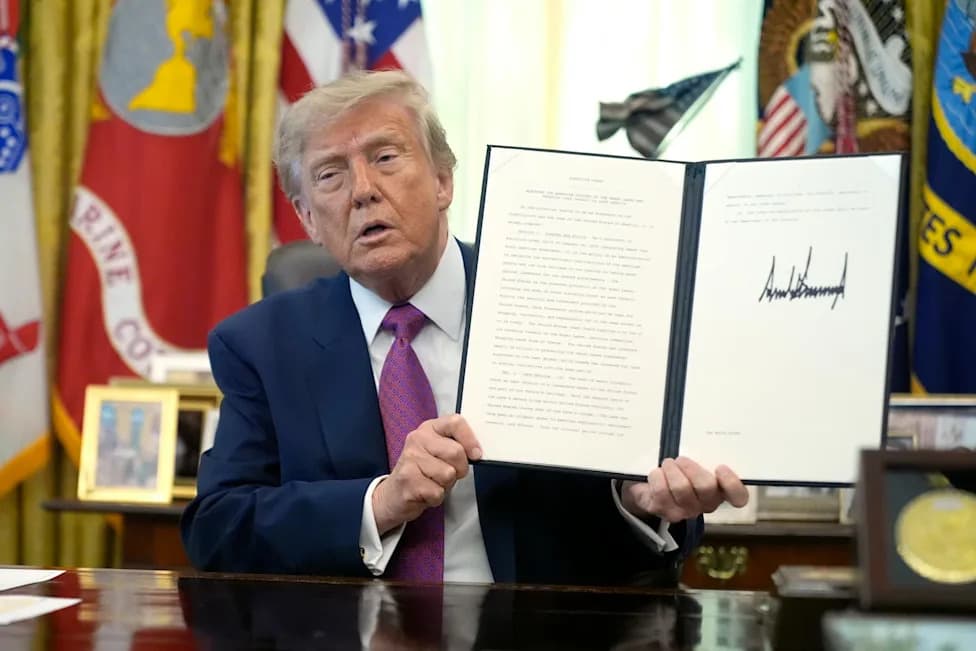
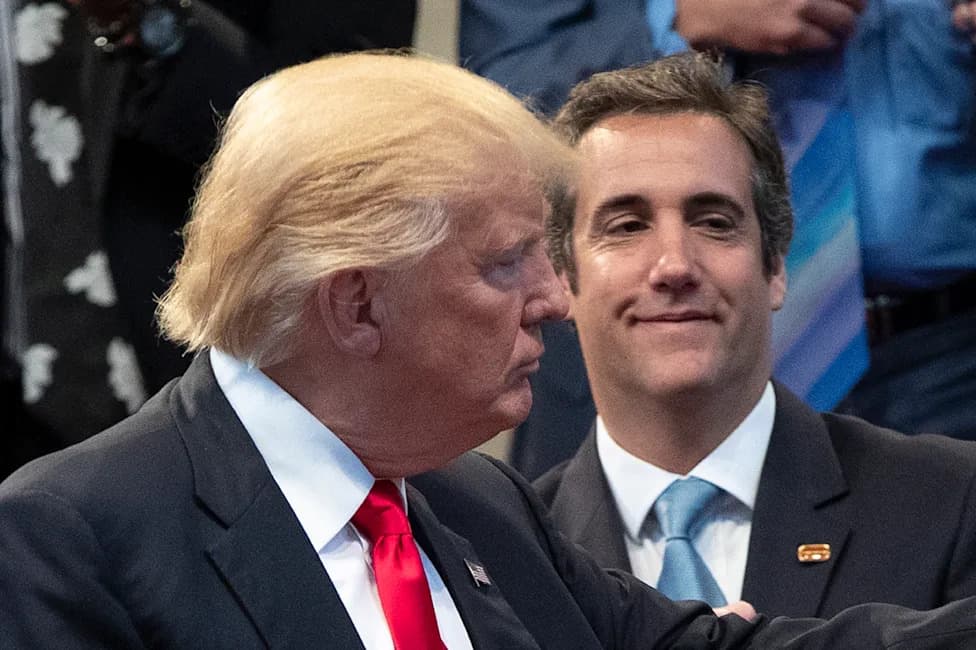
Quick summary: The president can pardon only federal offenses and only for actions committed before the pardon is issued; pardons do not cover state crimes or future conduct. Presidential clemency cannot reverse or prevent impeachment. Whether a president can pardon himself remains legally unsettled and would likely be decided by the courts if tested. The Supreme Court’s 2024 ruling on presidential immunity (Trump v. United States) may also affect how easily former presidents can be prosecuted.
Can Trump PardON Himself And His Entire Cabinet At The End Of His Term? What The Law Actually Says
A reader asked whether, at the end of his term, a president could issue a sweeping pardon that protects himself and every member of his Cabinet from future prosecutions. The short answer: presidential clemency is powerful but limited.
Who Can Be Pardoned?
Federal-only power. The Constitution gives the president the power to grant pardons for "Offences against the United States," which means federal crimes only. A presidential pardon cannot shield anyone from state criminal charges or prosecutions brought by state authorities.
Are Pardons Prospective Or Retroactive?
Pardons Are Retroactive. A pardon forgives past federal offenses committed before the pardon is issued; it is not a license to commit crimes after the pardon date. If a pardon text covers "any and all" federal offenses committed prior to the grant, those acts—whether discovered before or after the pardon—are covered so long as they fall within the pardon’s wording.
Examples And Limits
Presidents can and have issued broad clemency grants. For example, on Jan. 19, 2025, President Joe Biden issued a clemency order that expressly pardoned Dr. Anthony Fauci for federal offenses “from January 1, 2014, through the date of this pardon” related to his official roles. A future president could write broader or differently worded pardons, but the fundamental limits remain: they apply only to federal offenses and only to acts committed before the pardon.
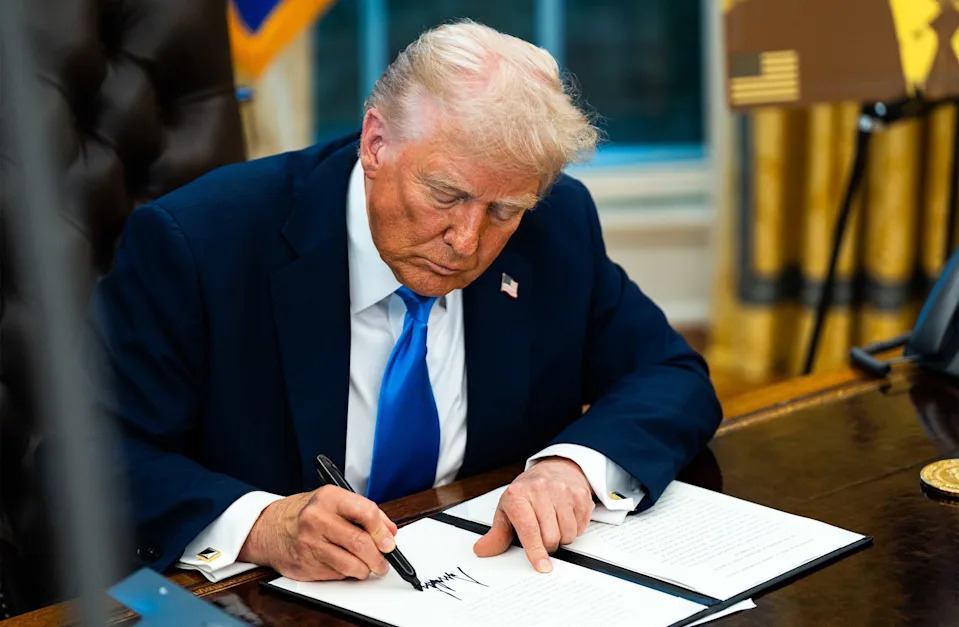
President Donald Trump during the signing of an executive order on Sept. 19, 2025 in the Oval Office at the White House.(Demetrius Freeman / The Washington Post via Getty Images)
Can A President Pardon State Crimes Or Stop Impeachment?
No. A president cannot pardon state crimes, nor can a pardon prevent state prosecutions. Also important: the pardon power does not extend to impeachment. The Constitution excludes impeachment cases from the pardon power, so a presidential pardon cannot reverse or stop an impeachment process or its political consequences.
What About A Self-Pardon?
Unresolved in the courts. Whether a president can legally pardon himself remains an unsettled legal question. Legal scholars debate the issue, and it has never been squarely decided by the U.S. Supreme Court. If a president attempted a self-pardon, the likely sequence would be: the president issues the pardon, is later charged with a covered federal crime, and then the courts would determine whether the self-pardon is valid.
Presidential Immunity And Prosecutions
The question of pardons for a former president interacts with other legal doctrines. In 2024 the Supreme Court addressed aspects of presidential immunity in Trump v. United States. Depending on the nature of any hypothetical charge and its connection to official acts, prosecutors may face additional legal hurdles in bringing cases against a former president. Even without a self-pardon, those immunity considerations can complicate prosecutions tied to conduct while in office.
Bottom Line
Pardons are a narrow tool: they forgive past federal offenses but do not reach state crimes, future conduct, or impeachment. A self-pardon is legally untested and would likely be resolved only through litigation.
If you have a question for "Ask Jordan," submit it through the newsletter form for a chance to be featured in a future edition.
Help us improve.