Key point: Cuba’s health system is approaching collapse after a deepening fuel shortage that officials attribute to tightened U.S. measures affecting oil supplies. Health Minister José Ángel Portal Miranda says roughly 5 million people with chronic conditions could face disrupted care, including thousands undergoing radiotherapy and chemotherapy. Ambulances lack fuel, hospitals suffer persistent blackouts, and some energy-intensive diagnostics are being curtailed as authorities install solar panels and prioritize the most vulnerable.
Cuba’s Health System Near Collapse as Fuel Blockade Deepens, Minister Warns
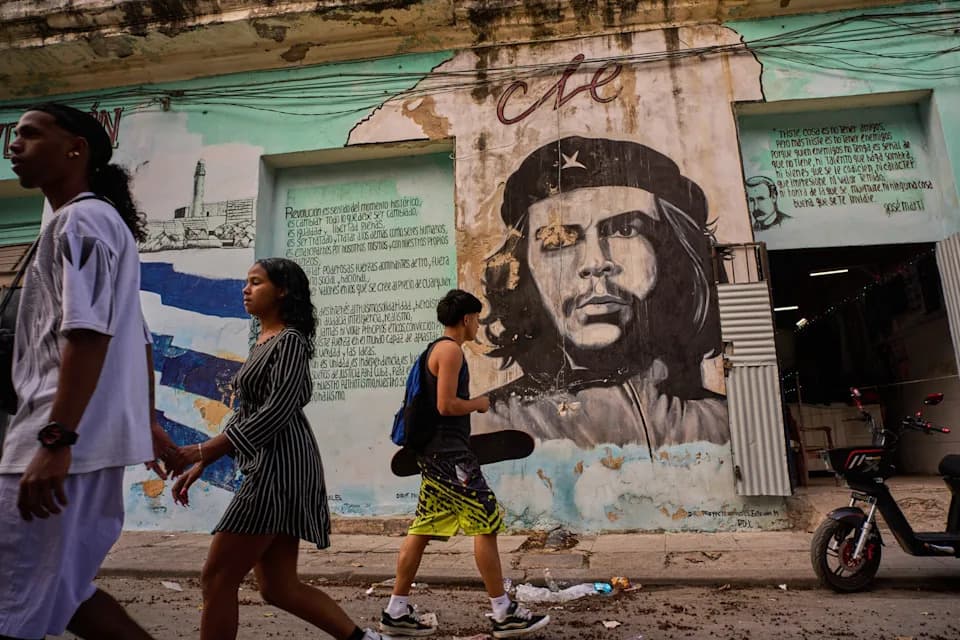
People walk past a mural of Che Guevara in Havana, Tuesday, Feb. 17, 2026. (AP Photo/Ramon Espinosa)(ASSOCIATED PRESS)
HAVANA — Cuba’s already fragile health care system has been pushed to the brink by a severe fuel shortage that Havana blames on tightened U.S. measures affecting the island’s oil supplies, Health Minister José Ángel Portal Miranda told The Associated Press.
Worsening Shortages and Power Failures
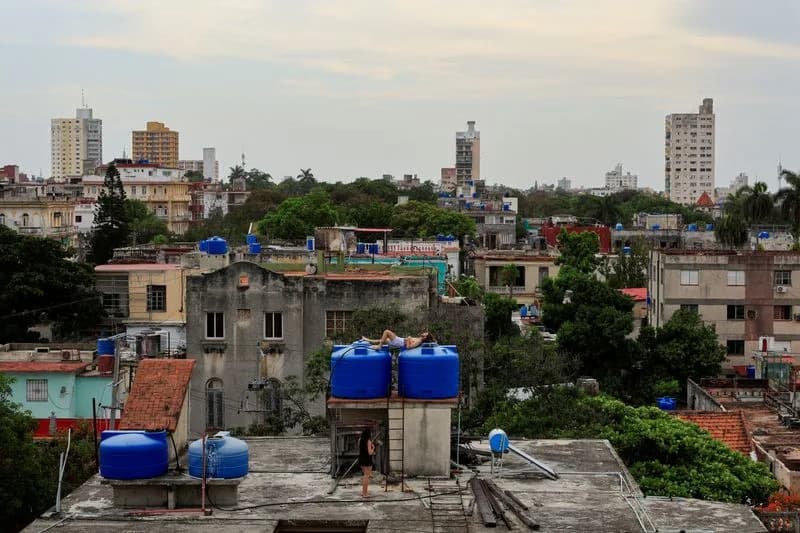
The nation’s medical services — long strained by shortages of staff, medicines and basic supplies amid a weak economy — have deteriorated further in recent weeks. Ambulances are struggling to find fuel to answer emergencies, hospitals are suffering persistent power outages, and flights that once brought crucial medical supplies have been halted because authorities say they can no longer reliably refuel aircraft at Cuban airports.
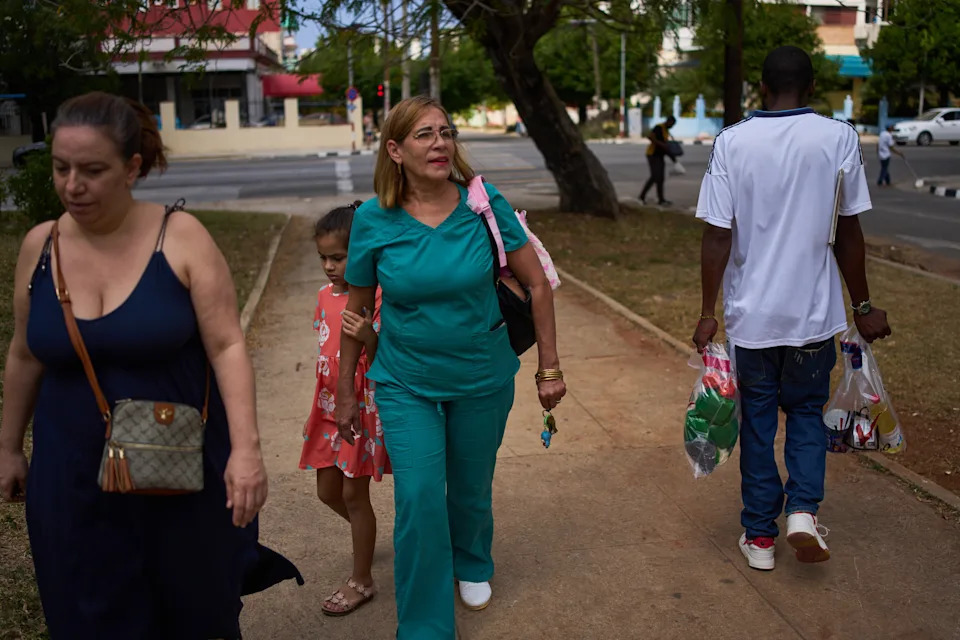
State-run bodega manager Roberto Roman carries bags of donated Mexican humanitarian assistance to be delivered to a family, in Havana, Cuba, Thursday, Feb. 19, 2026. (AP Photo/Ramon Espinosa)(ASSOCIATED PRESS)
Who Is Affected
Portal warned that roughly 5 million Cubans with chronic illnesses could face disruptions to medications or treatments. He said about 16,000 cancer patients require radiotherapy and another 12,400 are receiving chemotherapy — both services now at heightened risk. Cardiovascular care, orthopedics, oncology and care for critically ill patients who depend on electrical backups are among the most affected services. Treatments for kidney disease and emergency ambulance services have also been hit hard.
Political And Supply Context
Cuba produces roughly 40% of its own fuel and has long relied on imports from allies such as Venezuela, Mexico and Russia to fill the gap. Officials say those shipments have largely stopped after recent U.S. measures — including an executive order announced by the U.S. administration to penalize countries that provide oil to Cuba — which Havana describes as an effective blockade of its fuel supply.
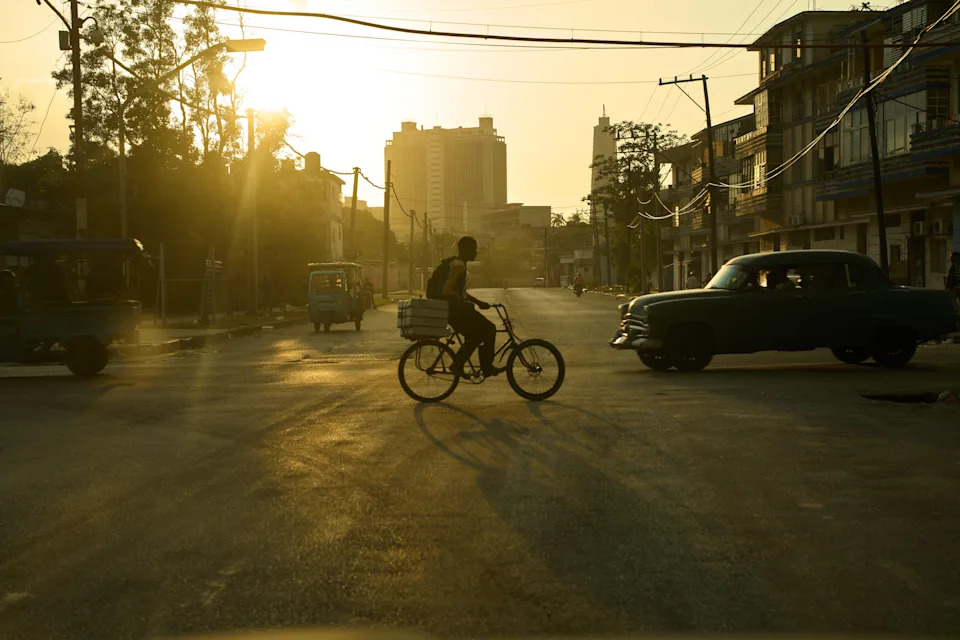
A man rides his bicycle at sunset in Havana, Wednesday, Feb. 18, 2026. (AP Photo/Ramon Espinosa)(ASSOCIATED PRESS)
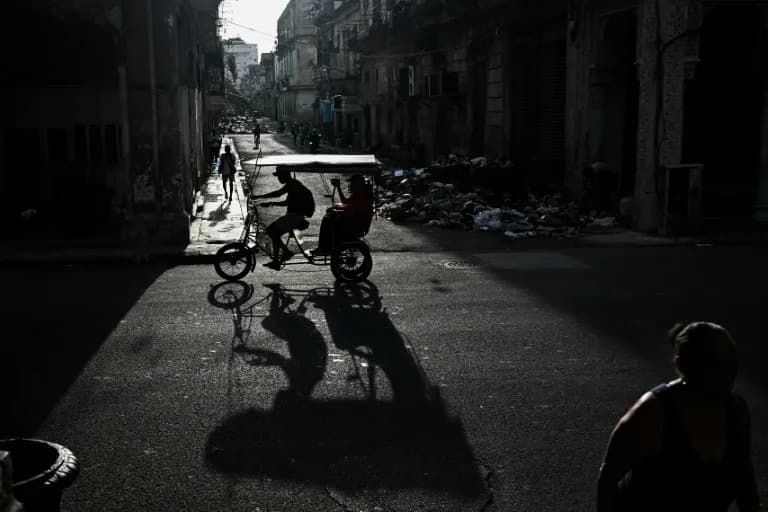
U.S. officials have framed such steps as part of broader pressure on the Cuban government; Havana says the measures are having immediate humanitarian effects on ordinary Cubans, who are now facing harsher daily hardship: bus routes have been cut, gasoline has been strictly rationed and increasingly sold in foreign currency, and widespread blackouts have intensified.
On-the-Ground Impact
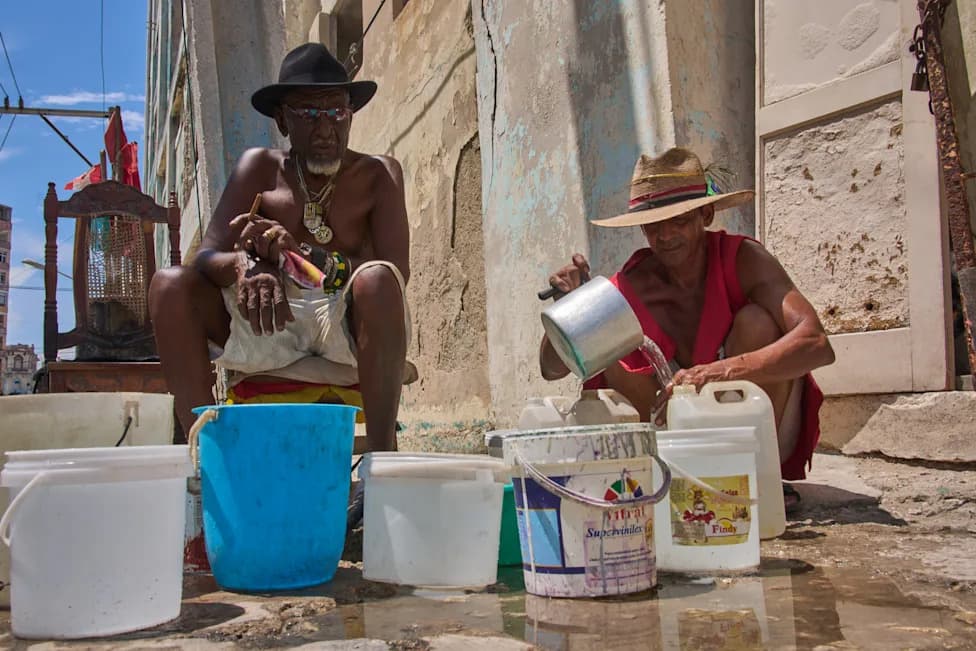
“You cannot damage a state’s economy without affecting its inhabitants,” Portal said. “This situation could put lives at risk.” Patients and families report growing shortages of food and medicines. Aniliet Rodríguez, 25, who was admitted to a maternal care center in January for severe anemia, said basic supplies such as bread, milk and medicines were increasingly unavailable.
Adaptation And Limits
Government efforts to adapt include installing solar panels on some clinics and prioritizing care for the most vulnerable, especially children and the elderly. At the same time, the ministry has placed restrictions on energy-intensive diagnostics and procedures — including some CT scans and laboratory tests — forcing doctors to rely more on basic diagnostic methods and limiting access to higher levels of care.
“We are facing an energy siege with direct implications for the lives of Cubans, for the lives of Cuban families,” Portal said.
The ministry warns conditions could worsen in the coming weeks if fuel and supply flows do not improve.
Help us improve.