Virginia Democrats approved a congressional map designed to help the party gain four U.S. House seats, but a Tazewell County judge’s temporary restraining order has blocked preparations for an April 21 referendum through March 18. Early voting had been slated to begin March 6, so Democrats need a quick, favorable court ruling to keep that schedule. The Virginia Supreme Court is weighing related appeals; if voters approve, the new map would apply until redistricting resumes after the 2030 census.
Virginia Democrats Pass Map That Could Flip Four U.S. House Seats — Court Order Threatens April Referendum

FILE - State Sen. Scott Surovell, D-Fairfax, attends a special legislative session in Richmond, Va., Wednesday, Oct. 29, 2025. (Mike Kropf//Richmond Times-Dispatch via AP, File)(ASSOCIATED PRESS)
Democratic lawmakers in Virginia approved a new congressional map intended to help the party pick up as many as four additional U.S. House seats, but a court order and ongoing legal appeals currently cloud the plan’s path to voters.

FILE - Del. Terry Kilgore, R-Lee, speaks during a news conference at the Capitol on Jan. 12, 2022, in Richmond, Va. (AP Photo/Steve Helber, File)(ASSOCIATED PRESS)
A judge in Tazewell County on Thursday issued a temporary restraining order that bars election officials from preparing for a planned April 21 referendum on the redrawn districts through March 18. Because early voting had been scheduled to begin on March 6, Democrats would need a favorable court decision within roughly two weeks to preserve that timetable.
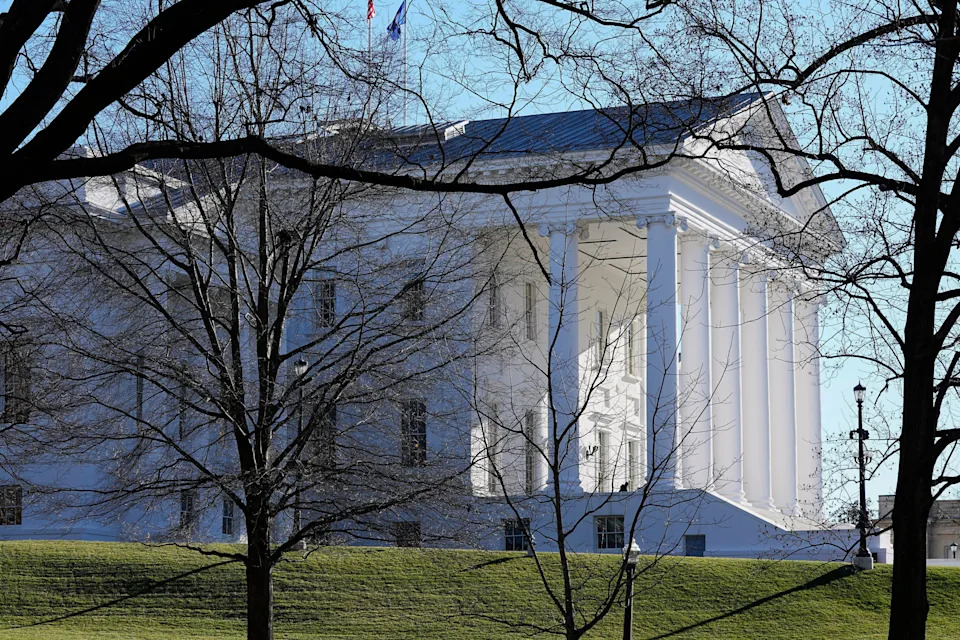
FILE - The state and U.S. flags fly over the Virginia State Capitol at the start of the 2024 session of the Virginia General Assembly in Richmond, Va., on Jan. 10, 2024. (AP Photo/Steve Helber, File)(ASSOCIATED PRESS)
Legal Fight Over Process
Democrats are appealing both the restraining order and an earlier ruling from the same judge that found the legislature rushed the referendum process tied to a proposed constitutional amendment authorizing mid-decade remapping. The Virginia Supreme Court has accepted the appeal of the earlier decision, and the outcome will help determine whether the proposed map reaches voters this spring.
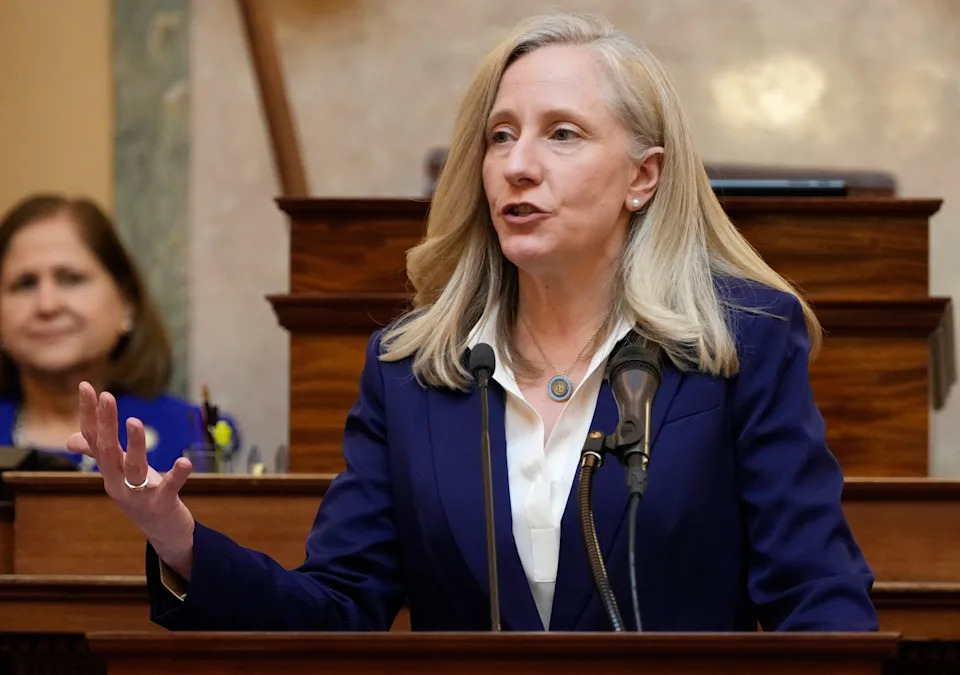
FILE - Virginia Gov. Abigail Spanberger delivers her State of the Commonwealth address before a joint session of the Virignia General Assembly at the Capitol, Jan. 19, 2026, in Richmond, Va. (AP Photo/Steve Helber, File)(ASSOCIATED PRESS)
What Voters Would Decide
If the referendum proceeds and voters approve the proposal, Virginia would temporarily adopt the new congressional lines until the state returns to its regular redistricting process after the 2030 census. Democrats planned to publish the proposed map prior to the vote so residents could review the changes in advance.
“The president of the United States ... basically directed states to grab power,” said Virginia Senate Majority Leader Scott Surovell, framing the Democratic push as a response to national GOP efforts to redraw maps. He urged action to counter what he called an attempt to "rig the system."
National Context and Political Stakes
The dispute is part of a broader mid-decade redistricting surge that followed calls by Republican leaders in some states to redraw maps for partisan advantage. Republican strategists contend aggressive remapping could net the GOP additional seats in states such as Texas, Missouri, North Carolina and Ohio; Democrats point to potential gains in states including California and Utah and hope Virginia’s plan can help close a remaining seat gap.
Politics on the Ground
Under the current court-imposed map, Virginia’s U.S. House delegation is composed of six Democrats and five Republicans. If voters approve the new map and it is enacted, several Democratic candidates have already launched or repositioned campaigns in districts the map would change: author Beth Macy and former Rep. Tom Perriello in newly competitive areas; Del. Dan Helmer and former federal prosecutor J.P. Cooney in a district shifting from rural to more suburban; and former Rep. Elaine Luria preparing a rematch against Rep. Jen Kiggans in a seat the map would slightly favor Democrats.
The legislation to enact the new districts if voters approve them will go to the governor for signature. The immediate legal timetable and the appeals in state court will largely determine whether voters see the map on the April ballot.
Help us improve.