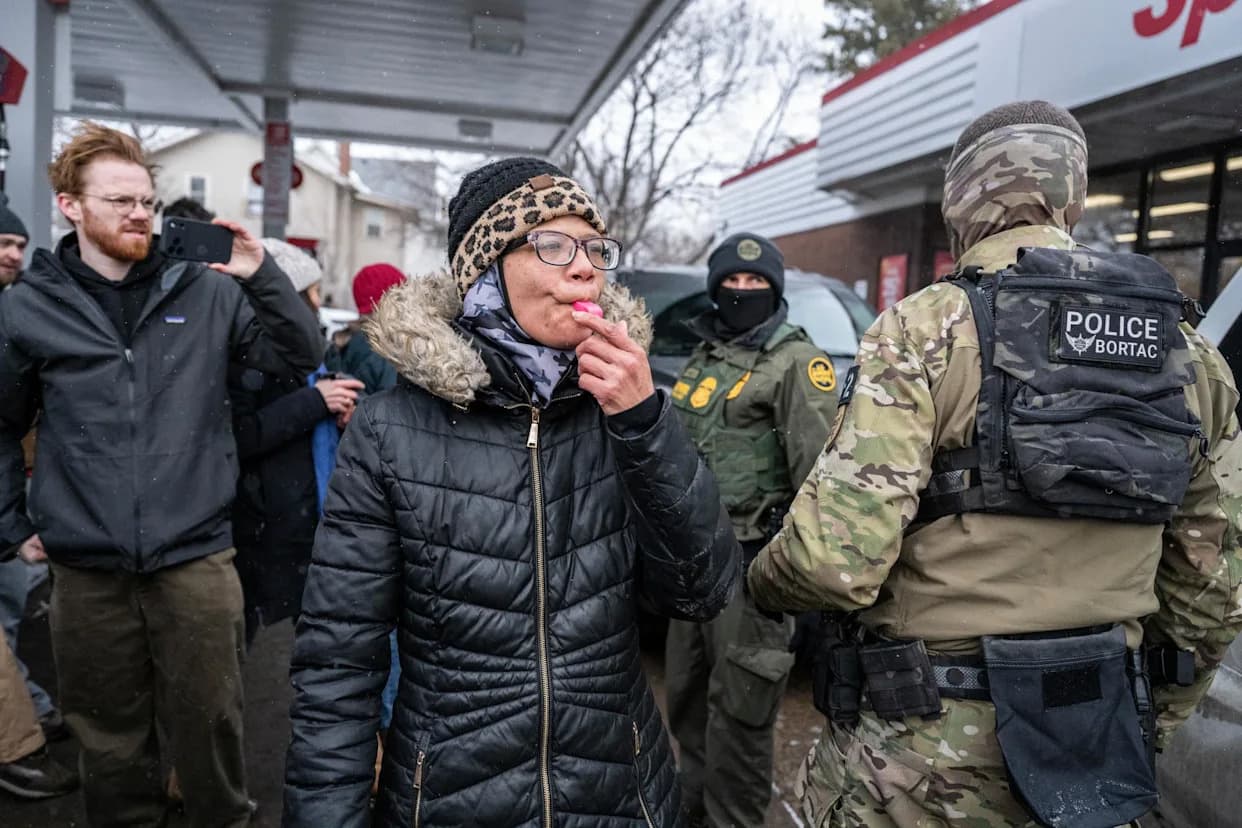
Over the past year, handheld whistles have become a grassroots symbol of resistance — a low-tech alarm used by neighbors to alert one another to the presence of Immigration and Customs Enforcement (ICE) as federal enforcement operations expanded into towns and cities across the United States.
How the Whistle Alert Began
What started as an ad hoc response in Los Angeles spread quickly. Activists began distributing bright plastic whistles and bilingual zines that explain a simple code: short blasts indicate agents are “driving or lurking,” while a continuous blast signals someone is being detained. Recipients are instructed to seek safety or to "follow the sound, form a crowd, and stay loud."
From Pilsen to Portland: Rapid, Volunteer-Led Growth
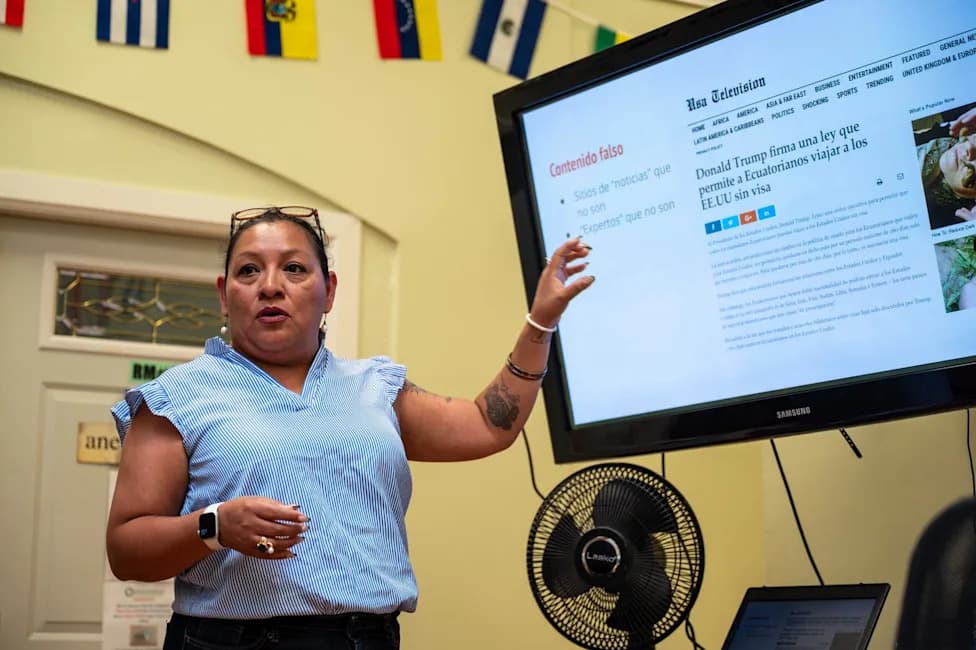
In Chicago’s Pilsen neighborhood, Teresa Magaña, co-founder of the Pilsen Arts and Community House, said the group rushed to act after intensified enforcement earlier in the summer and threats of federal activity that organizers called "Operation Midway Blitz." Volunteers initially bought whistles in bulk; local makers and 3D-printing enthusiasts soon began producing them. Magaña estimates their volunteer-run effort has distributed close to 30,000 whistles and shipped orders to organizers in roughly 25 states. The group also produced nearly 100,000 bilingual zines explaining the alert system.
In Portland, a coalition called Migra Whistle formed after a community conference. Veronica, a lead organizer who declined to share her last name for safety reasons, described a decentralized effort in which "migra watchers" on bikes or in cars use whistles to confirm suspected unmarked ICE vehicles and alert neighbors. Volunteers printed whistles, assembled lanyards, folded zines and packed distribution kits, often producing hundreds or thousands of whistles weekly. Organizers say the work rekindled neighborhood ties and energized dormant networks.
When Whistles Backfire
Not every community has had positive experiences. In Shoreline, Washington — about 10 miles north of Seattle — advocates say the arrival of bystanders blowing whistles during the arrest of Ivan Guzman, a Mexican father, aggravated the situation: the whistles reportedly startled his two-year-old son who had been left briefly inside an ICE vehicle, increased the child’s distress, and made it harder for a volunteer documenting the arrest to record badge numbers and other critical details.
The Washington Immigrant Solidarity Network (WAISN), which has built a deportation-defense system over nearly a decade, says that conversations with families across urban and rural communities informed their decision not to adopt whistles as a tactic. "We are not against whistles," said Brenda Rodríguez López, an executive director at WAISN, "but our strategies are guided by long-standing relationships and the needs of the communities we serve." WAISN officials emphasize that loud tactics can heighten anxiety for elders, children and people with disabilities and can draw unwanted attention to vulnerable people — especially in rural areas where homes are spread out and local hostility can be high.
Context Matters: No Single Right Tactic
Scholars of social movements say the debate over whistles reflects a healthy tactical adaptability. "I see this actually as a sign that the movement is listening to the people they claim to care about," said Fernando Tormos-Aponte, a University of Pittsburgh professor who studies social movements. He and other experts note that strategies that work in dense urban neighborhoods may be ineffective or risky in rural settings, and that local knowledge should determine tactics.
"Strategies are not copy-and-paste," Rodríguez López said. "What matters is that we stay focused on defending our communities and building."
Moving Forward
The whistle debate highlights how grassroots movements evolve through experimentation and feedback. Some communities find whistles an effective and empowering tool to mobilize and protect neighbors in real time; others choose quieter, documentation-focused responses to minimize harm and confusion. Organizers across the country say there is room for multiple roles and tactics — and that continued dialogue with affected families should guide decisions on the ground.