Last June’s large immigration sweeps in Los Angeles created widespread fear that disrupted work, schooling and community programs in Latino and immigrant neighborhoods. Violence-interruption teams reported declining youth participation and fewer hospital follow-ups, forcing them to adapt with home-based supports, leadership training and practical aid like grocery runs. Organizers warn ongoing fear and funding cuts undermine long-term safety and recovery, even as some violence indicators shift for complex reasons.
ICE Raids Reshaped How Violence-Interrupters Protect Immigrant Communities: ‘The Panic Is Still There’
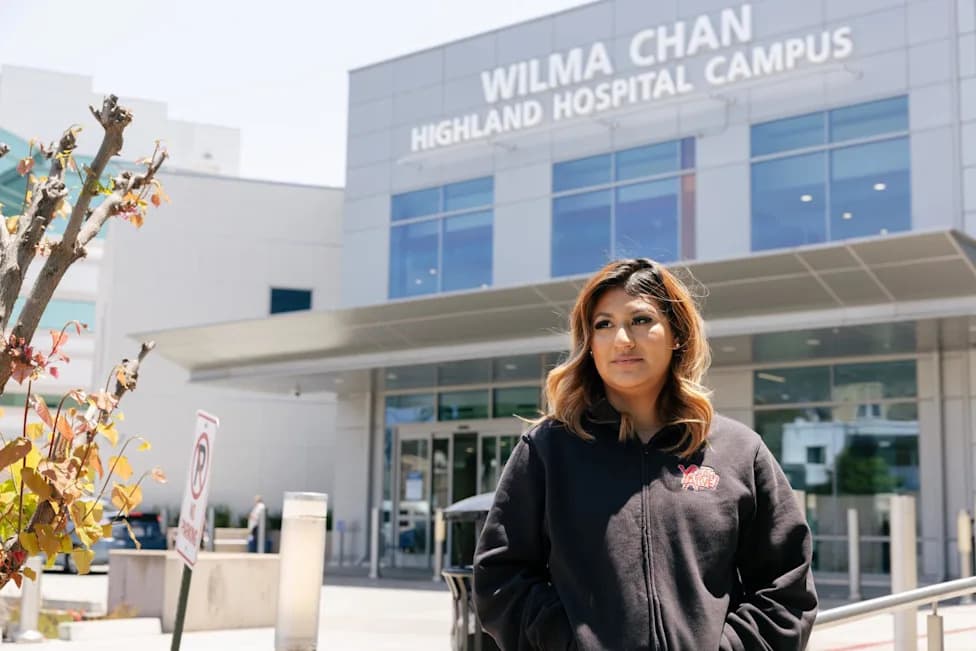
Youth Alive CIC program manager Guadalupe Serrano at the Highland hospital in Oakland, California.Photograph: Khariza Rae Photography/Courtesy of Youth Alive
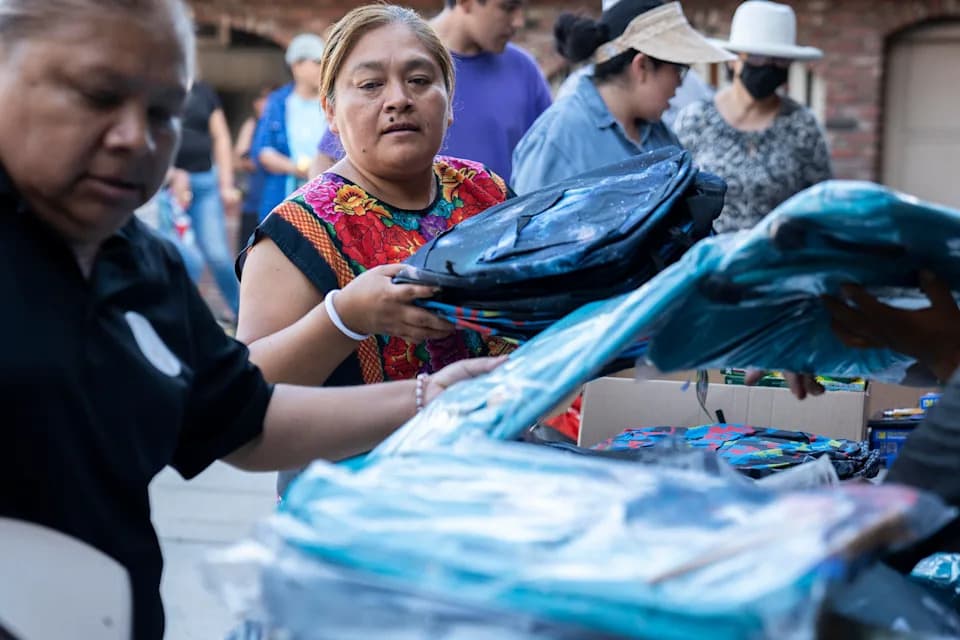
Last June, hundreds of federal agents carried out one of the largest immigration-enforcement actions in Los Angeles, sweeping up immigrants at Home Depot stores, car washes, food carts and garment factories. The raids sent shockwaves through Latino and immigrant neighborhoods, leaving families too afraid to work, children skipping school, and neighbors relying on others for basic errands.
Impact on Outreach, Schools and Work
For violence interrupters — street outreach workers who try to prevent killings and steer young people away from guns — the raids were a crossroads. Workers across Los Angeles and Oakland reported a sharp drop in youth participation in after-school programs and a reluctance among injured people to return for hospital follow-ups or continued care.
“The ICE raids last summer were devastating. It really affected our work,” said Violet Gallegos, a youth services and gang-intervention worker in South Los Angeles. “Kids are living afraid instead of going to school. That dream of maybe going to college was out the window, and they're living in fear. The panic is still there.”
Adapting Tactics: From Workshops To Home-Based Supports
Outreach teams changed how they deliver services. Instead of relying solely on in-person workshops, workers introduced tools people can use at home — for example, journaling exercises to help young people process anger and avoid retaliation. Programs like "The Journey" were launched to train additional local leaders so interventions could continue across neighborhoods even when visibility was dangerous.
Hospitals, Trust And Legal Questions
Hospital-based programs, such as Caught in the Crossfire (CiC) at Highland Hospital in Oakland, reported fewer survivors returning for follow-up care. Program managers said clients were frightened by visible enforcement near medical facilities and frequently sought legal guidance they were not equipped to provide.
“We had clients who would say, 'Oh, I saw ICE roaming around the hospital or the parking lot,'” said Serrano, program manager for CiC. “Trust wasn't there.”
Community Programs, Funding And Rumor Control
City-run initiatives like Summer Night Lights — which opened parks in the evening with activities, food and jobs for youth — saw attendance fall. When sign-ins dropped, city staff found it harder to demonstrate program outcomes, and funding for some park programs was cut. Outreach workers also had to spend time quelling rumors about enforcement sweeps and verifying whether people were detained.
Rebuilding Trust: Practical Help And Presence
To rebuild relationships, outreach workers increased visible presence in neighborhoods and offered practical help: grocery runs, errands and one-on-one check-ins. Workers say these small acts help restore confidence and make people more likely to engage with services again.
“How do you stop them from picking up guns? You stay visible,” Gallegos said. “When they know someone cares, they're more careful about what they're carrying and what they're doing.”
Program leaders emphasize that while some violence has declined in certain pockets, the causes are mixed — enforcement, pandemic impacts, policing changes and community work all play roles. They warn that sustained fear and disrupted services undermine long-term recovery and community safety.
Who Is Quoted: Violet Gallegos, youth services and gang-intervention worker with Volunteers of America in South Los Angeles; Salvador Marquez, community violence intervention specialist in Harbor Gateway; and Serrano, program manager for Caught in the Crossfire (CiC) at Youth Alive in Oakland.
Help us improve.