Overview: The label “Scots‑Irish” has transitioned from a precise historical descriptor to a modern political shorthand often used to signal a heritage‑based American identity. Public figures such as Jeremy Carl, JD Vance and Elon Musk have invoked the term to claim cultural lineage and legitimacy. Historians note the phrase’s origins in Ulster migration, its assimilation into white middle‑class identity, and its later use to distinguish Protestant descendants from Irish Catholic immigrants. Today the term is frequently deployed to support a settler‑nation origin story that contrasts with a pluralistic immigrant narrative.
How 'Scots‑Irish' Became a Stand‑In for 'White' in American Political Talk
Illustration by Alberto Mier/CNN
Last week, during his Senate confirmation hearing for a senior State Department role, Jeremy Carl — author of The Unprotected Class: How Anti‑White Racism Is Tearing America Apart — was pressed to define what he meant by a “white identity.” After a hesitation of roughly 20 seconds, Carl pointed to former Sen. Jim Webb’s 2004 book Born Fighting: How the Scots‑Irish Shaped America as an example of the “Scotch‑Irish military culture and certain pride that went with that.”
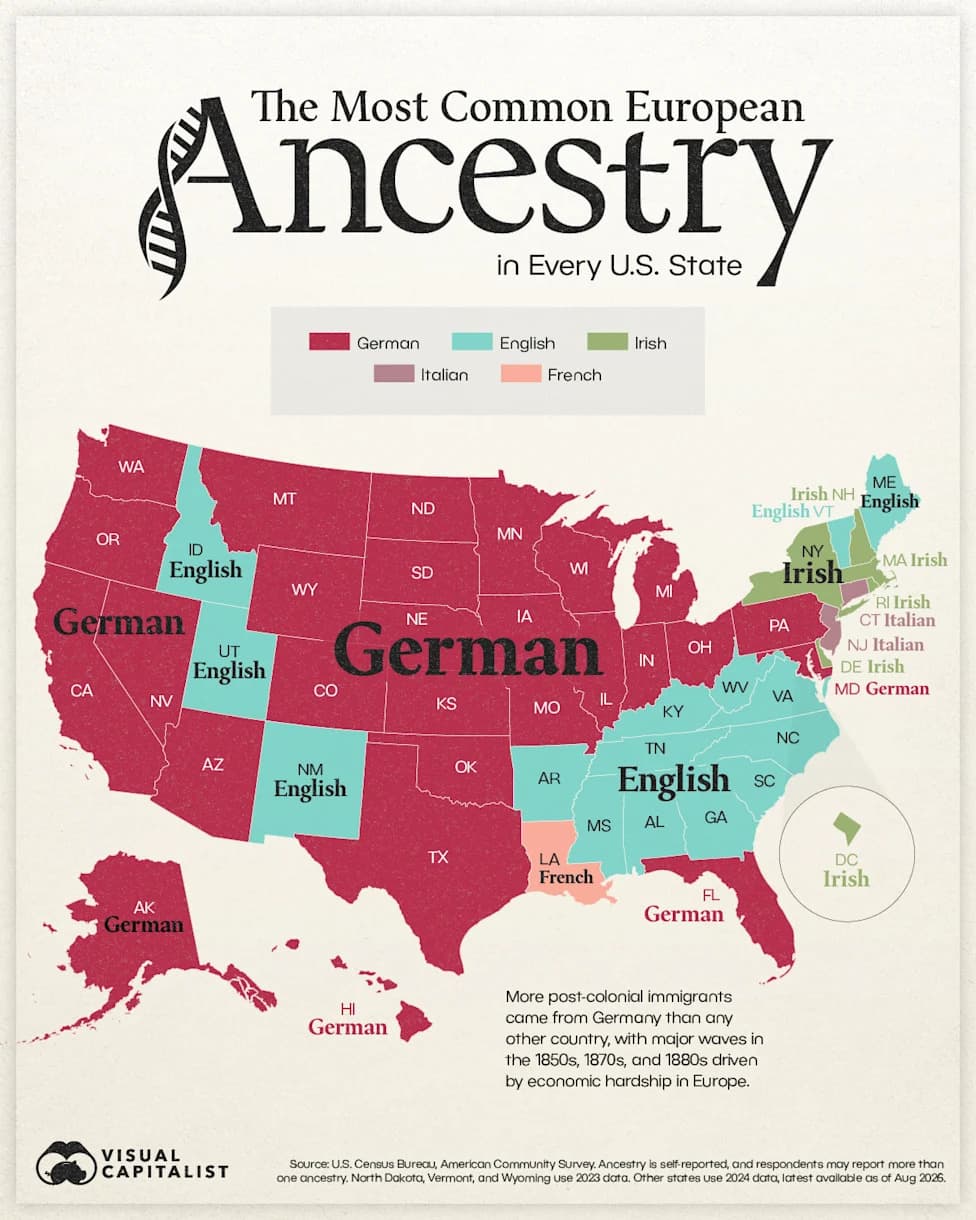
Today, the label “Scots‑Irish” (often written “Scotch‑Irish” in older American usage) has become a favored shorthand among many on the contemporary conservative right for signaling a specific cultural lineage and claim to belonging. JD Vance, now vice president, framed his personal story around Scots‑Irish roots in Hillbilly Elegy, and Elon Musk recently referenced the term in a post on X, pairing it with “English” as part of a narrower view of American cultural origins.
Origins and Historical Shifts
The phrase has a complex history. Kerby Miller, professor emeritus of history at the University of Missouri, notes that English speakers first used a related term in the 1500s to describe Catholics who moved between the Scottish islands and northern Ireland. By the 17th century, as Britain settled Ulster with Scottish Presbyterians, the label shifted to describe largely Protestant settlers — the group now often called Ulster Scots in Northern Ireland.
Migration to North America
In the 1700s, large numbers of Ulster Scots emigrated to the American colonies. Many settled in Appalachia and the frontier, a movement historians say was shaped by imperial strategy: English elites positioned these settlers at the edges of colonial settlement to protect development from French forces and Indigenous nations. These communities contributed to revolutionary-era politics and military campaigns and later participated in the violent displacement of Native peoples.
Assimilation and Political Distinction
Over time Ulster Protestants assimilated into a growing white middle class. By the mid‑19th century the term “Scotch‑Irish” gained wider use in the U.S. as conservative Protestant descendants sought to distinguish themselves from waves of Irish Catholic immigrants fleeing famine and settling in northern cities. Scholars now prefer “Scots‑Irish,” but both variants appear in historical records.
Institutional Identity and Exclusion
By the late 19th and early 20th centuries, Scots‑Irish identity was institutionalized through lineage societies and civic groups that offered pride in ancestry and a narrative of rootedness. But the identity was also used to exclude. Some cultural figures and political leaders invoked Scots‑Irish lineage to signal respectability, Protestant piety and patriotism — and, at times, to justify racism and nativism.
Modern Recasting: Heritage, Whiteness, and Politics
In recent decades, conservatives have repurposed Scots‑Irish as a populist emblem in opposition to a perceived multicultural, cosmopolitan elite. For some public figures, the label functions less as an accurate genealogical claim than as an attitudinal identity: an assertion of frontier toughness, Protestant heritage, and cultural belonging that can be read as code for whiteness.
Terms like “Heritage American” have surfaced alongside Scots‑Irish to signal similar ideas: long roots in the country, often traced to Revolutionary or Civil War eras. Usage varies — some proponents imagine a broad, assimilated category that even includes Indigenous people or descendants of enslaved Africans who conform to Anglo‑Protestant norms; others use the language exclusively to signal white descent.
When public figures link Scots‑Irish with English origins or emphasize a settler‑frontier origin story, they advance a narrative of the United States as a settler nation rather than a continuously remaking immigrant society. That choice of origin story carries consequences: it implies different ideas about who belongs and what values are central to American identity.
Bottom line: The term “Scots‑Irish” has moved from a specific regional and historical label to a flexible political symbol. Today it is often used rhetorically to invoke a heritage‑based vision of American identity that, in public discourse, frequently operates as a stand‑in for a particular conception of whiteness.
Help us improve.