Union contract coverage in the U.S. climbed to 16.5 million workers in 2025, the highest level since 2009, while union membership rose to 14.7 million. Coverage as a share of the workforce edged up to 11.2%, and membership rose to 10.0%. Experts attribute the gains to years of organizing, even as the administration pushes to cancel bargaining agreements for about 1 million federal employees.
Union Coverage Reaches 16-Year High in 2025 Despite Administration Push to Cancel Bargaining
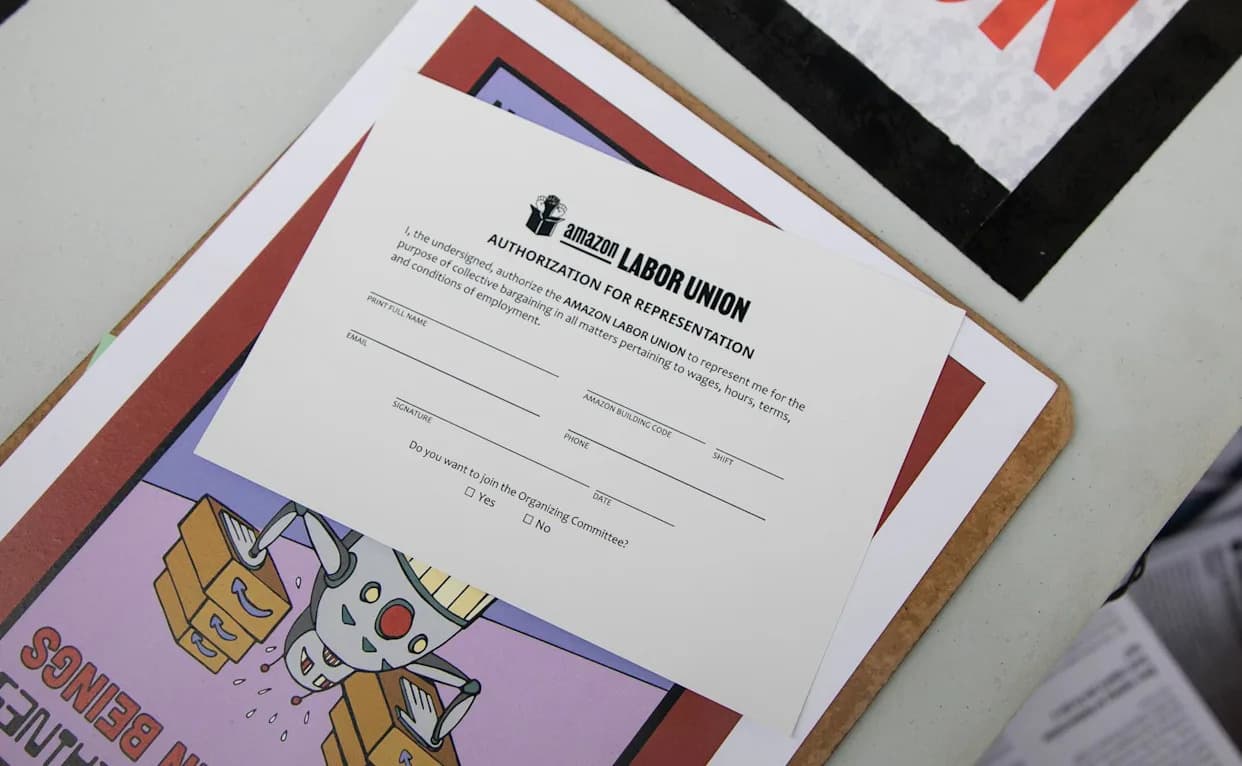
Amazon labor union authorization forms outside an Amazon fulfillment center in the Staten Island borough of New York, on 7 February 2022.Photograph: Bloomberg/Getty Images(Photograph: Bloomberg/Getty Images)
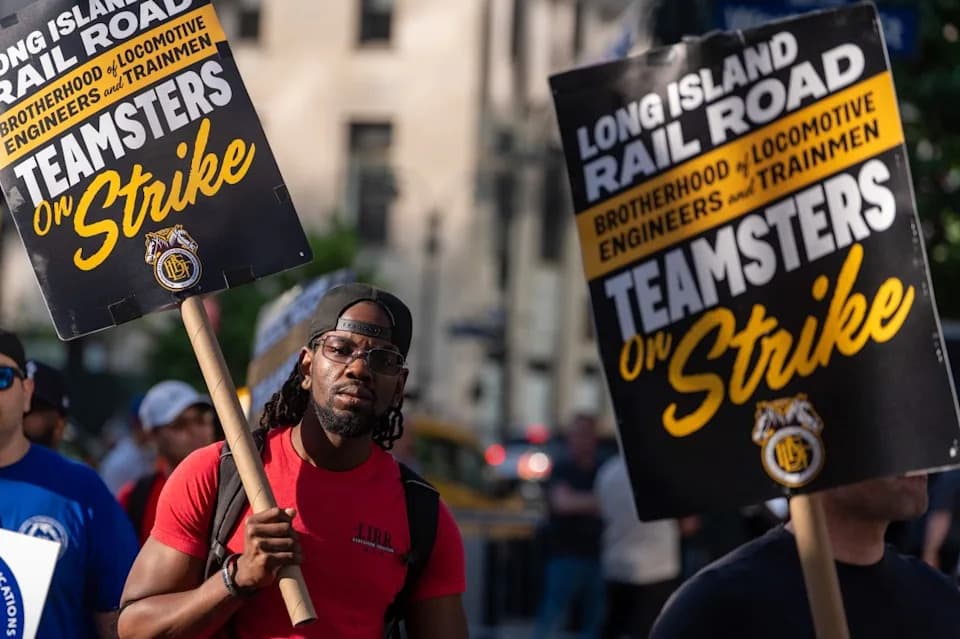
The number of U.S. workers covered by union contracts rose to a 16-year high in 2025, according to new data from the Bureau of Labor Statistics. About 16.5 million workers were covered by collective bargaining agreements in 2025, up from 16.0 million in 2024—the highest level recorded since 2009.
More workers are joining unions: 14.7 million U.S. workers were union members in 2025, up from 14.2 million in 2024. The increase in members translates into a gain of roughly 463,000 workers represented by unions—the largest single-year rise in 16 years.
The share of all U.S. workers covered by union contracts edged up to 11.2% in 2025 from 11.1% in 2024, while union membership as a share of the workforce rose to 10.0% from 9.9% the year before.
Long-Term Context
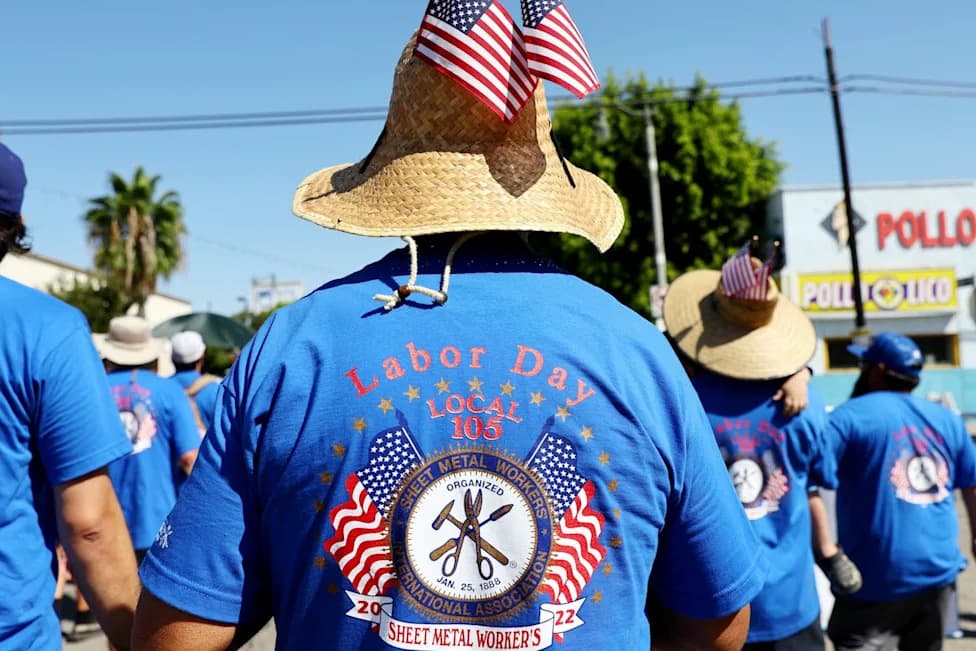
Union density in the United States has fallen dramatically over many decades from levels above 30% in the late 1940s and 1950s. Still, public attitudes toward unions have strengthened: Gallup polling now shows approval of labor unions in the range of 67%–71%, levels not seen since the late 1950s and early 1960s.
What Experts Say
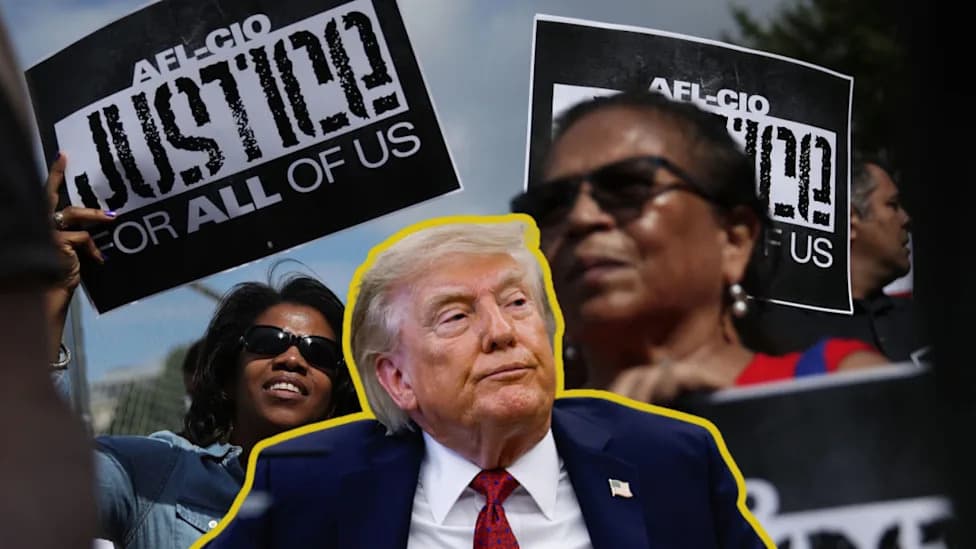
“The second Trump administration launched the most vicious attack on public sector union workers since the Reagan era. While the assault’s full effect remains to be seen, the numbers from 2025 leave room for cautious optimism,” said Hayley Brown, a researcher at the Center for Economic and Policy Research (CEPR).
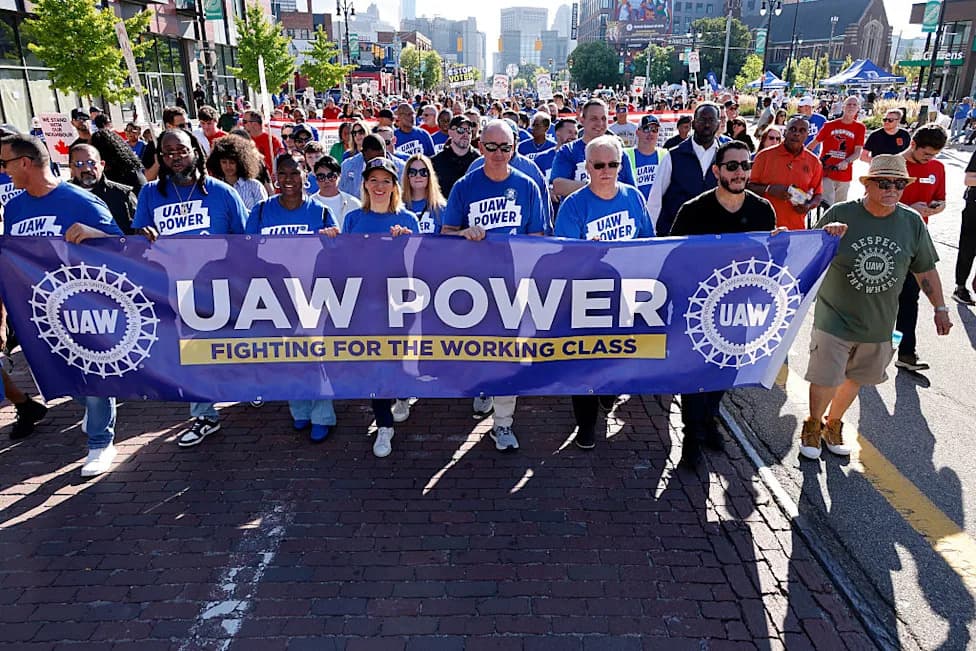
Heidi Shierholz, president of the Economic Policy Institute and a former chief economist at the U.S. Department of Labor, highlighted that the 463,000-worker increase is the largest gain in representation in 16 years. “This is an extremely welcome departure from prior years’ declines,” she posted on Bluesky, noting that years of sustained organizing helped produce this result.
At the same time, the Biden administration’s successor is pursuing policies to cancel collective bargaining agreements for roughly 1 million federal workers—a move that could offset some of this year’s gains if implemented. Advocates and analysts say the 2025 increase reflects long-term organizing efforts, growing worker interest in collective representation, and targeted campaigns—particularly in the public sector.
Source: Bureau of Labor Statistics; Gallup; statements from CEPR and the Economic Policy Institute.
Help us improve.