U.S.-backed airstrikes and expanded Somali ground operations have given the government renewed momentum against al-Shabab, with authorities reporting reclaimed territory and strikes on IED networks. The offensive coincides with a drawdown of African Union peacekeepers, increasing pressure on Somali forces to secure and govern retaken areas. Analysts say drone surveillance and precision strikes have been decisive, but experts warn that gains are fragile without sustained governance, reconstruction and independent verification of casualty claims.
U.S.-Backed Offensive Shifts Momentum Against al-Shabab — Why It Matters
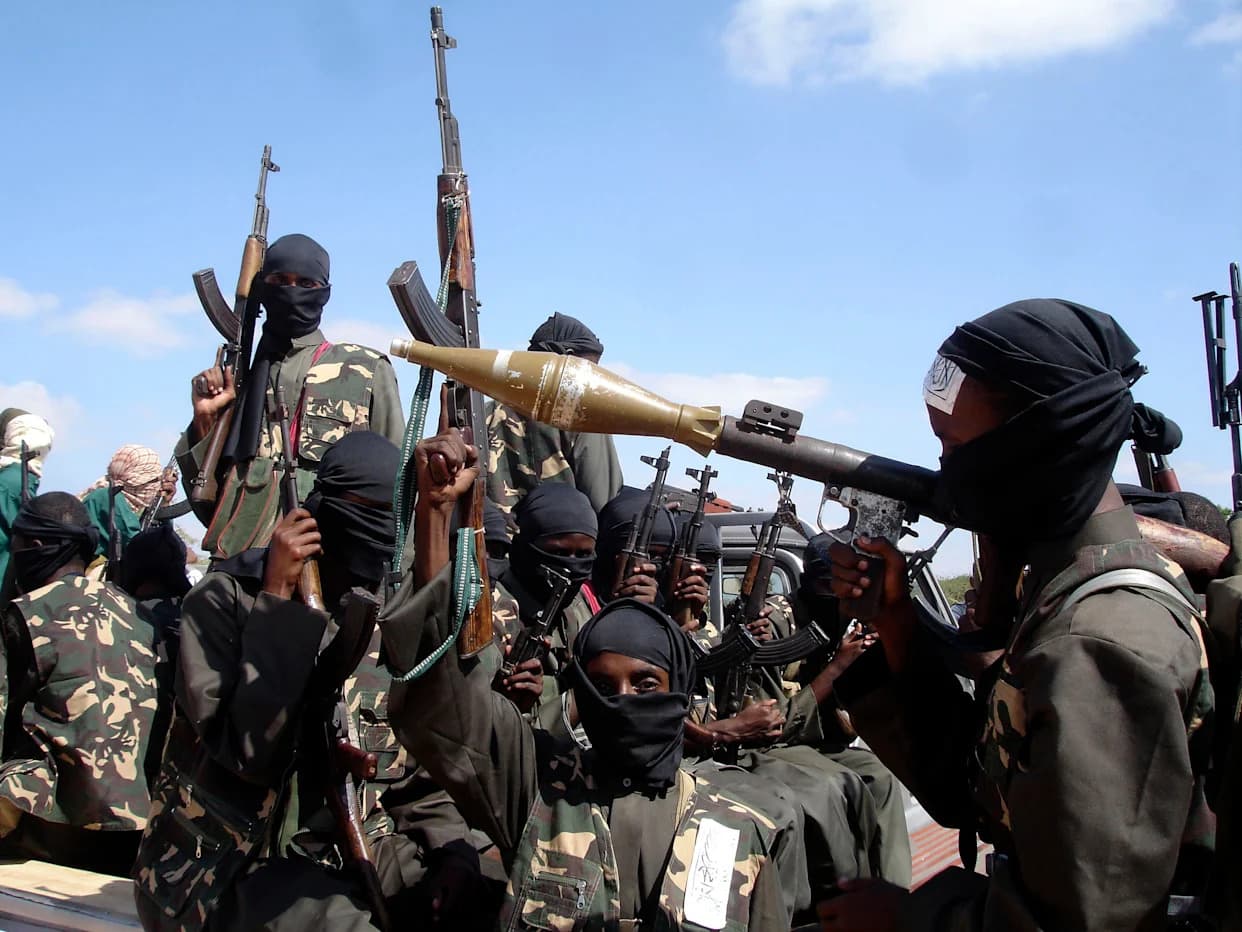
FILE - Armed al-Shabab fighters ride on pickup trucks as they prepare to travel into the city, just outside the capital Mogadishu, in Somalia on Dec. 8, 2008. (AP Photo/Farah Abdi Warsameh, File)(ASSOCIATED PRESS)
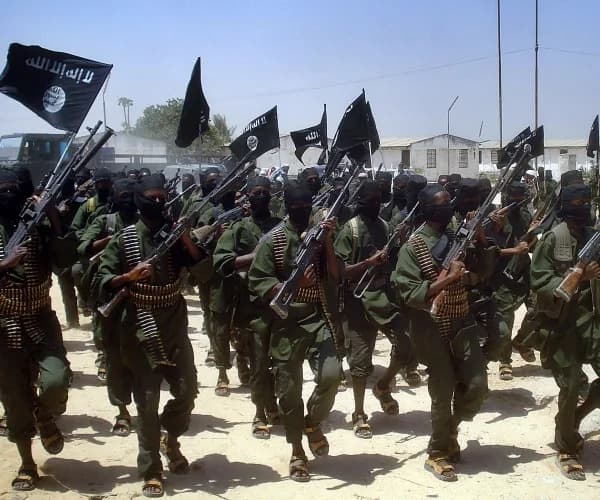
MOGADISHU — U.S.-supported airstrikes combined with expanded Somali ground operations have, officials say, shifted momentum in the long-running fight against the al-Qaida-linked al-Shabab militant group. Authorities point to territory reclaimed from militants and strikes on leadership and improvised explosive device (IED) networks as signs of progress — but observers warn gains will remain fragile without sustained governance and security.
Recent Gains and Where They Matter
Somali officials report that security forces have retaken towns and districts in Lower Shabelle, Hiiraan, Middle Shabelle and parts of Jubbaland that were long held or contested by al-Shabab. Omar Ali Abdi, Somalia’s state minister for defense, told The Associated Press that areas in Lower Shabelle — including Jilib Marka, Gendershe and Dhanaane — "long served as al-Shabab strongholds" and are now under military control. Officials also cited operations in Taydaan and Yasooman (Hiiraan) and near Masjid Ali Gaduud (Middle Shabelle).
Airpower, Drones and Intelligence
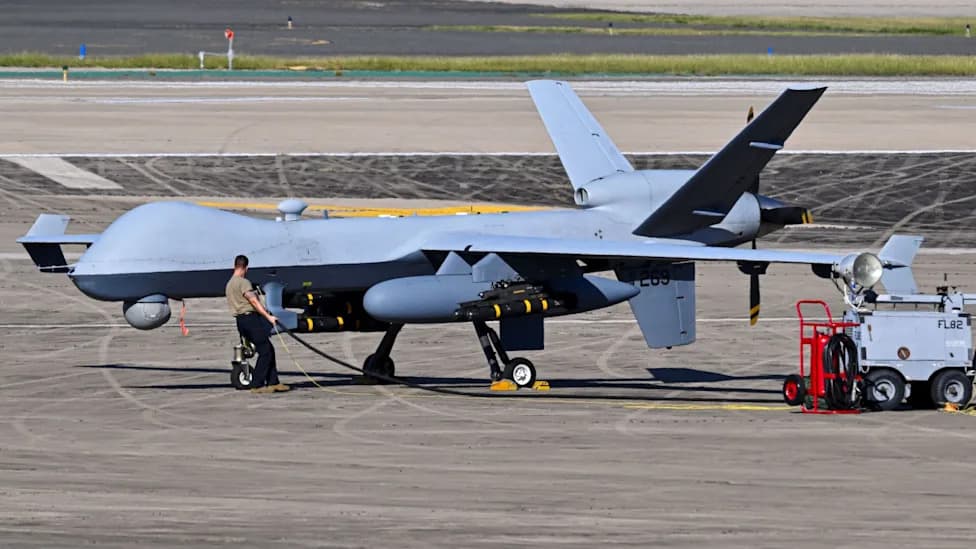
The United States, through U.S. Africa Command (AFRICOM), has carried out strikes in Somalia for more than a decade. Since a 2022 redeployment of U.S. forces, American aircraft and expanded drone surveillance have been used in coordination with Somali intelligence to target leaders, training sites and facilities used to make IEDs. Somali officials say recent strikes disabled bomb-making workshops and neutralized explosive-laden vehicles before they could be deployed.
"Drones now provide early warning of militant movements near Mogadishu," said Mogadishu-based security analyst Abdullahi Ahmed Ali, noting that persistent aerial surveillance has revealed hidden supply routes and underground hideouts that were previously difficult to reach.
What Remains Uncertain
Independent verification of many battlefield claims is difficult because access to contested rural areas is limited. Al-Shabab has not confirmed reported losses, and figures provided by government sources — including claims that thousands of militants have been killed since operations intensified — have not been independently corroborated.
AFRICOM says it assesses and seeks to minimize civilian harm before conducting strikes; past U.S. operations in Somalia have drawn criticism from rights groups alleging civilian casualties, and AFRICOM has acknowledged and investigated some incidents.
Broader Challenges
The offensive comes as the African Union Transition Mission in Somalia (ATMIS) gradually reduces its footprint and Somali forces assume greater security responsibilities. That transition, analysts say, increases reliance on international air support and intelligence sharing. At the same time, overlapping pressures — drought, political tensions between federal and regional authorities, and funding shortfalls for security and humanitarian work — complicate efforts to consolidate gains.
Security experts stress that territorial advances must be paired with governance, reconstruction and sustained security presence. In previous campaigns, al-Shabab has reasserted control in areas vacated by government forces. Somali officials say plans are under way to rebuild homes and deliver aid in recaptured areas to prevent militants from returning.
Outlook
Despite reported battlefield successes, al-Shabab remains a resilient and adaptable threat across central and southern Somalia. The government's challenge now is to translate military advances into lasting stability by improving local governance, protecting civilians and maintaining a persistent security presence as international peacekeepers scale back their role.
Help us improve.