Jennifer Welch attacked Secretary of State Marco Rubio’s Munich Security Conference remarks, arguing on her "I’ve Had It" podcast that MAGA operates as a multiracial movement grounded in White nationalist ideas. Rubio said the U.S. benefits from European partners proud of their cultural heritage and emphasized ties to Central Europe. Welch countered that America’s strength is its multiculturalism and criticized cultural conservatives as hypocritical for relying on multicultural culture while fearing demographic change.
Jennifer Welch Slams Marco Rubio’s Munich Remarks, Calls MAGA a ‘Multiracial’ Movement United by White Nationalist Ideas
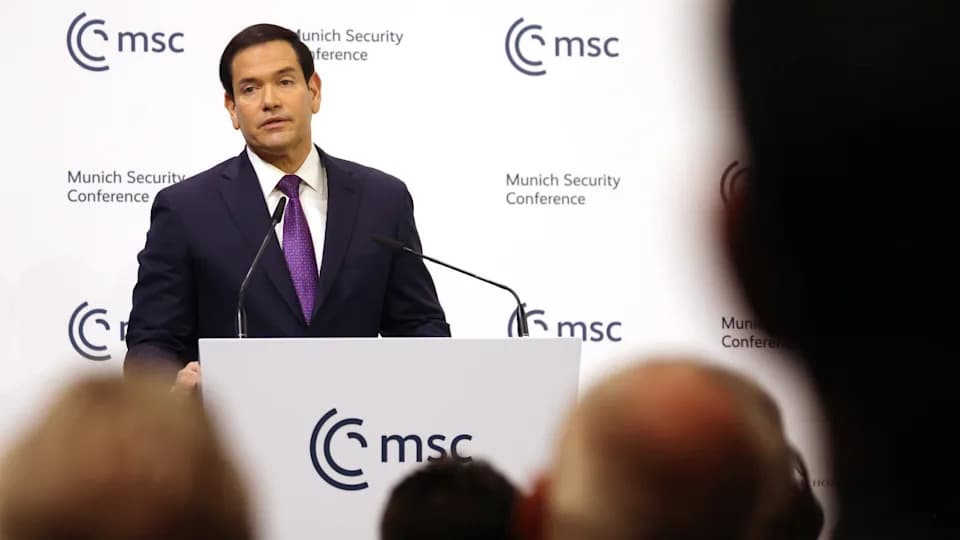
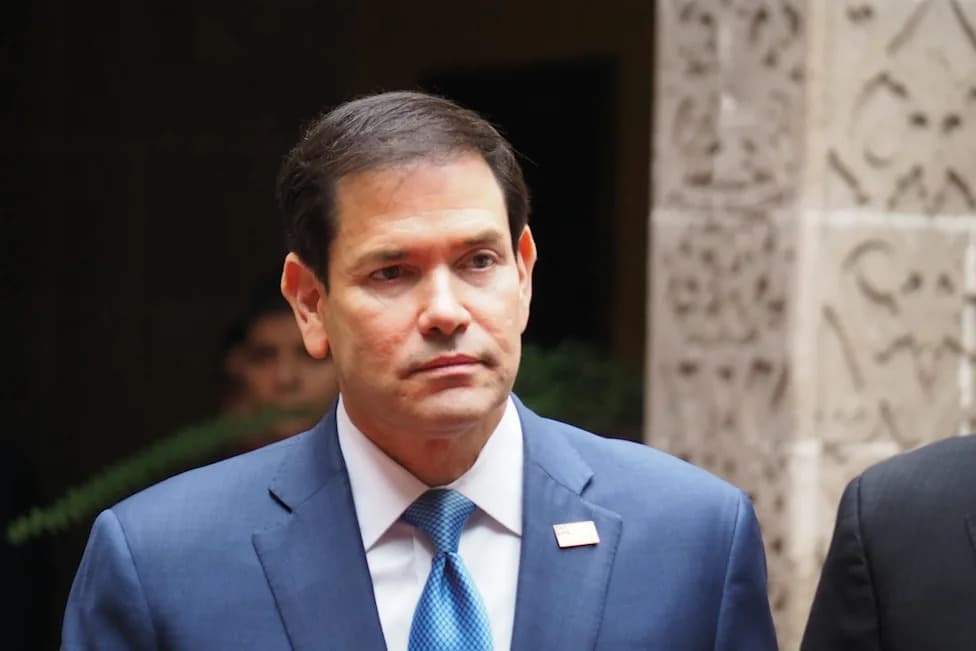
U.S. Secretary of State Marco Rubio speaks at the Munich Security Conference in Munich, Germany, on Saturday, Feb. 14, 2026.(Getty Images)
Jennifer Welch, host of the "I’ve Had It" podcast, sharply criticized Secretary of State Marco Rubio’s recent remarks in Europe, arguing that the MAGA movement functions as a multiracial coalition grounded in White nationalist ideas.
Rubio drew international attention with a Saturday address at the Munich Security Conference, where he said it benefits the United States to have European partners who take pride in their cultural identities as part of a shared Western civilization.
“We want allies who are proud of their culture and of their heritage, who understand that we are heirs to the same great and noble civilization,” Rubio told conference attendees.
On her podcast, Welch responded strongly to Rubio’s comments, suggesting they reflect a strain of White nationalist thinking and noting the apparent contradiction of Latino and other nonwhite supporters aligning with that ideology.
“Here's what's so interesting about the MAGA regime to me is they're all White nationalists, even the brown-skinned ones, even the Latinos. Here's Marco Rubio at the Munich conference going full White-nationalist, and I just want to remind you, viewer, he's Cuban,” Welch said.
The episode also included a clip of Rubio speaking alongside Hungarian Prime Minister Viktor Orbán at a joint press event. Rubio emphasized close U.S. ties to Central Europe, saying leaders such as those in the region are important to American national interests.

Jennifer Welch and her co-host spoke about Rubio and the MAGA movement, and Welch suggested that MAGA is essentially a multiracial coalition united around White nationalism.
“It is the kind of thing that I think, for example, I can say to you with confidence that President Trump is deeply committed to your success because your success is our success, because this relationship we have here in Central Europe through you is so essential and vital for our national interests in the years to come,” Rubio said.
Welch contrasted the strong cultural identities of many smaller European countries with what she described as America’s defining characteristic: multiculturalism. She argued that the United States’ diversity is a source of cultural vibrancy and accused some cultural conservatives of hypocrisy for enjoying multicultural influences while decrying demographic change.
“Are you the type of citizen that sees your fellow Americans — whether they're from India, Cuba, Pakistan, wherever — as your fellow citizens, or do you see them as less than?” Welch asked on the podcast.
Welch, who grew up in Oklahoma, has previously made provocative comments about White American culture, saying publicly that an all-White environment would be “boring” and that Americans’ primary shared culture is multiculturalism. Those remarks were made in the context of a political gathering referenced as a victory event for Zohran Mamdani.
This exchange highlights ongoing debates in U.S. politics about national identity, immigration, and how political movements frame cultural belonging. Welch’s critique frames Rubio’s remarks as part of a broader ideological thread she sees in segments of the conservative movement; supporters of Rubio and others who prioritize cultural heritage argue their concern is preservation of tradition and geopolitical partnership, not exclusion.
Help us improve.