Mayor Zohran Mamdani signaled he may raise New York City property taxes as part of a $127 billion preliminary budget to address a $5.4 billion shortfall. The move is explicitly intended to pressure Governor Kathy Hochul and state lawmakers to raise taxes on millionaires and large corporations instead. The plan may also tap the city's rainy-day fund and depends on City Council approval; Hochul has said she does not support a property tax increase. The proposal carries political risks for the mayor and could provoke pushback from homeowners, businesses and state leaders.
Mamdani Floats NYC Property-Tax Hikes in $127B Budget to Pressure State on Wealth Taxes
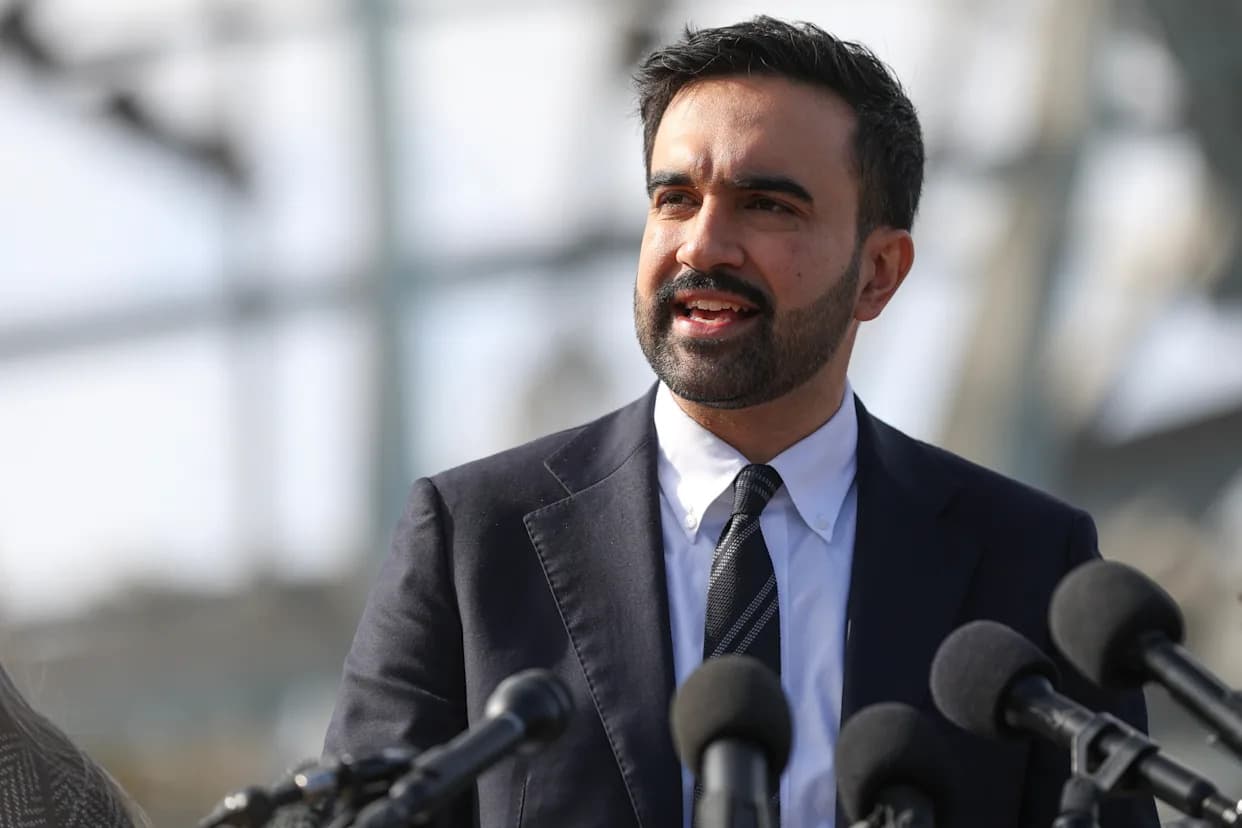
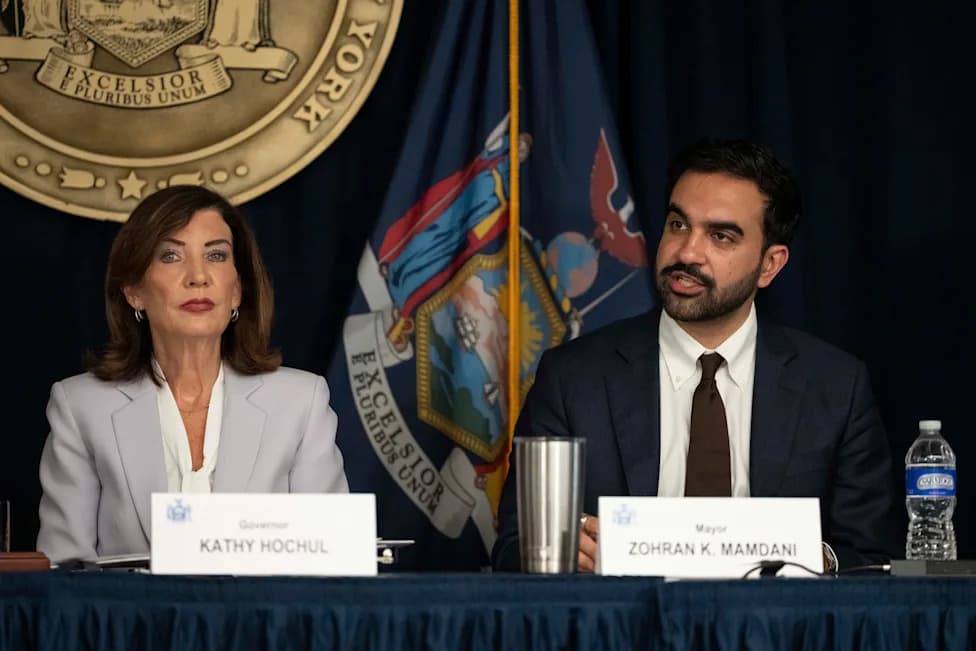
New York City Mayor Zohran Mamdani on Tuesday signaled he may raise property taxes as part of a $127 billion preliminary budget for the fiscal year beginning in July, using the move to press state leaders to increase taxes on the wealthy and large corporations.
City Comptroller Mark Levine and Public Advocate Jumaane Williams, who were briefed by the mayor at City Hall, said the preliminary plan would consider property-tax increases — a tool the city can use without Albany’s approval — to help close what the administration now projects as a $5.4 billion revenue shortfall. The proposal also contemplates drawing down a portion of the city's reserve, or "rainy day," fund.
“After years of fiscal mismanagement, we’re staring at a $5.4 billion budget gap — and two paths,” Mamdani wrote on X. “One: Albany can raise taxes on the ultra-wealthy and the most profitable corporations and address the fiscal imbalance between our city and state. The other, a last resort: balance the budget on the backs of working people using the only tools at the City's disposal.”
Mamdani is explicitly using potential property-tax hikes as leverage to push Governor Kathy Hochul and state lawmakers to enact steeper taxes on high earners and corporations — including proposals he supports to raise the state corporate tax by 4.25 percentage points and the personal income tax by 2 percentage points for residents earning more than $1 million.
Budget Context and Recent Changes
The mayor initially cited a roughly $12 billion gap weeks ago, a figure that drew skepticism from budget analysts. He later said that estimate fell by about $5 billion after accounting for Wall Street bonus revenue, agency efficiencies and reserves, leaving the current projected shortfall of $5.4 billion across the coming two fiscal years.
Mamdani has also issued an executive order creating chief savings officers at each city agency; those officials will identify cost-cutting measures, but their findings are not due for several weeks. Levine said the preliminary plan will recommend a drawdown of the city's reserves, though he did not specify how much.
Political Stakes
Governor Hochul, who is seeking re-election, has repeatedly signaled resistance to raising taxes on the wealthy and on Tuesday said she did not support a property tax increase for New York City. At the same time, she has provided support to the city, including a recent earmark of $1.5 billion intended to help close the municipal budget gap and other funding for child care programs.
Any city-led property tax increase would still require approval from the City Council, and it is unclear whether Council leadership would support such a move. The proposal risks alienating homeowners, businesses and middle- and working-class voters, and could strain relations between the mayor and the governor.
The city’s last major property tax increase came in 2003, when the Bloomberg administration raised the property tax rate by 18.5 percent to address a multi-year budget shortfall.
As Mamdani unveils his $127 billion preliminary plan, the city faces a constrained set of choices: pressing Albany for new revenue, drawing down reserves, pursuing agency savings, or raising local taxes — each with political and fiscal consequences.
Help us improve.