Rep. Alexandria Ocasio-Cortez denied multiple times that she is preparing a 2028 presidential bid, saying her Munich Security Conference trip was meant to warn about economic inequality fueling far-right populism. She criticized the forum as an "elite" gathering out of touch with class-based politics and called her opponents a transnational network of right-wing leaders. AOC pushed for Democratic unity despite intraparty tensions, acknowledged a geographic gaffe about Venezuela, and also accused Israel of genocide at the conference.
AOC Denies 2028 Bid, Slams Munich Security Conference as Out of Touch With 'Class-Based' Politics

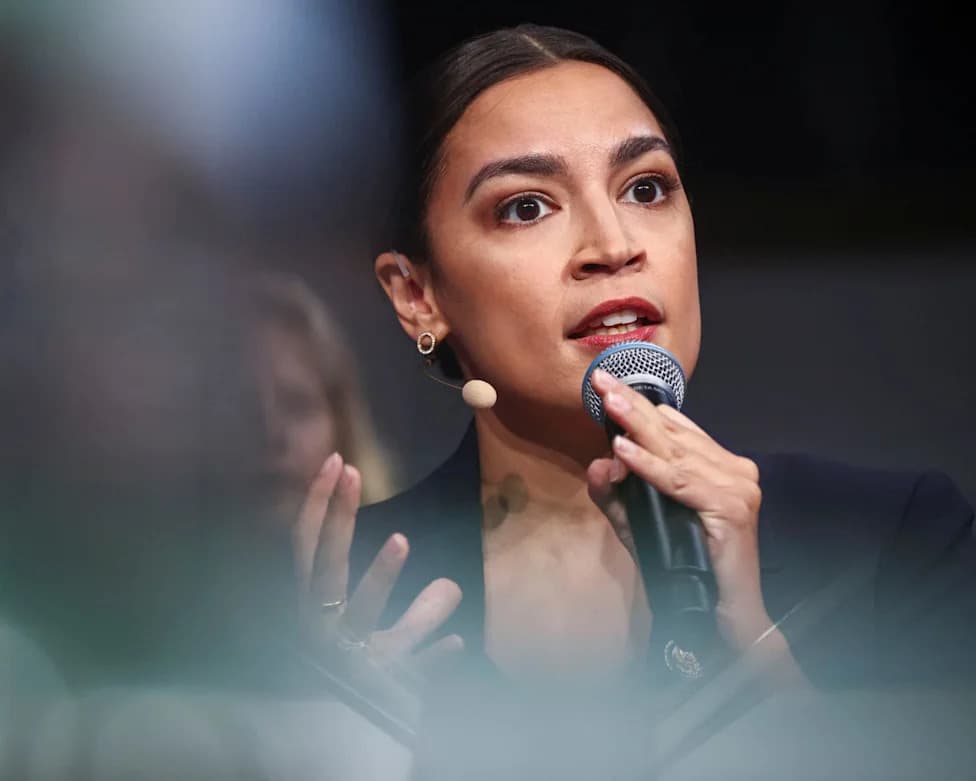
Alexandria Ocasio-Cortez, a Democratic congresswoman, speaks at TU Berlin on Feb. 15, 2026.(Getty Images)
Rep. Alexandria Ocasio-Cortez (D-N.Y.) repeatedly rejected suggestions that she is positioning herself for a 2028 presidential run in an interview with The New York Times after attending the Munich Security Conference in Germany.
Ocasio-Cortez described the conference as "an elite place of decision makers that, frankly, are not responsive to a class-based message," arguing the forum failed to reflect the economic anxieties she believes are driving populist movements worldwide.
Why She Went To Munich
She said her trip was intended to sound an alarm about growing inequality and its role in fueling right-wing populism—not to launch a campaign. "Everyone's got this story wrong, that this is about me running for president," Ocasio-Cortez told the Times. She added that her opponents are not merely hypothetical primary rivals but a transnational network linking leaders such as Viktor Orban, Donald Trump, Javier Milei and Jair Bolsonaro.
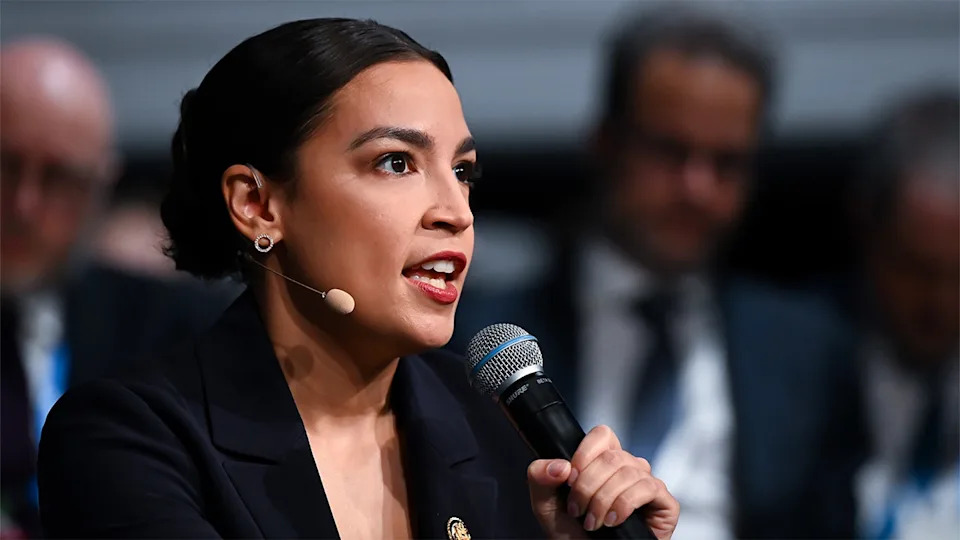
Rep. Alexandria Ocasio-Cortez, D-N.Y., takes part in the Munich Security Conference in Germany, on Friday, Feb. 13, 2026.
Confronting the Coverage
Ocasio-Cortez pushed back against a reporter who suggested Munich could be the overseas equivalent of New Hampshire in presidential politics, calling the comparison "out of touch" and arguing that established parties worldwide are losing ground to right-wing movements. She urged Democrats to remain united despite intense internal disagreements: "We need to be able to be very angry at each other, and also know what the real enemy is."
Controversies at the Conference
The congresswoman acknowledged she misspoke when discussing geography, saying Venezuela is "below the equator," a comment that drew criticism along with other comments on Taiwan. She used the example to argue against extreme measures toward Venezuela's Nicolás Maduro, saying that even if Maduro was anti-democratic, it does not justify kidnapping a head of state or engaging in acts of war.
"It is not a remark on who Maduro was as a leader. He canceled elections. He was an anti-democratic leader. That doesn’t mean that we can kidnap a head of state and engage in acts of war just because the nation is below the equator," she said.
Ocasio-Cortez also leveled a severe accusation at Israel at the conference, asserting that its conduct amounted to genocide—an allegation that provoked further attention and controversy.
Bottom Line
Across her remarks, Ocasio-Cortez framed the Munich visit as an effort to shift attention toward economic inequality and its role in strengthening far-right figures, while repeatedly denying that the trip signaled any decision to run for president in 2028.
Help us improve.