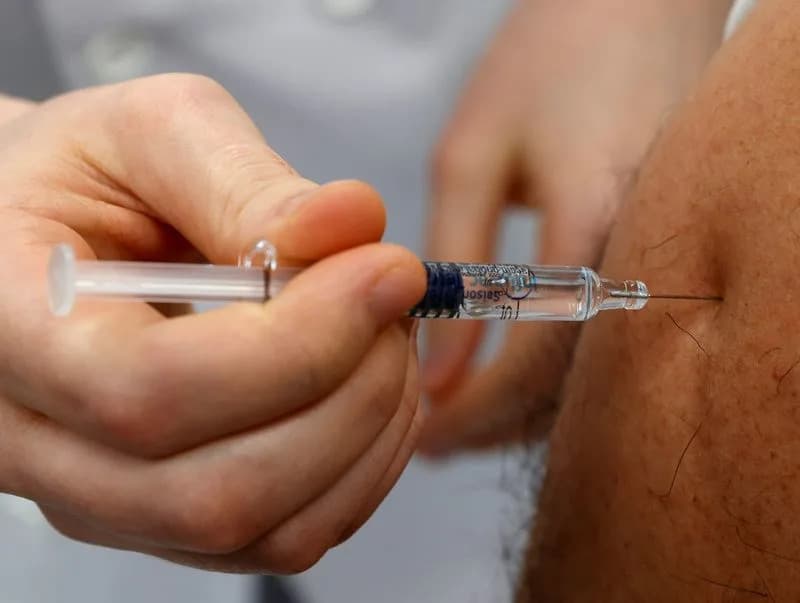
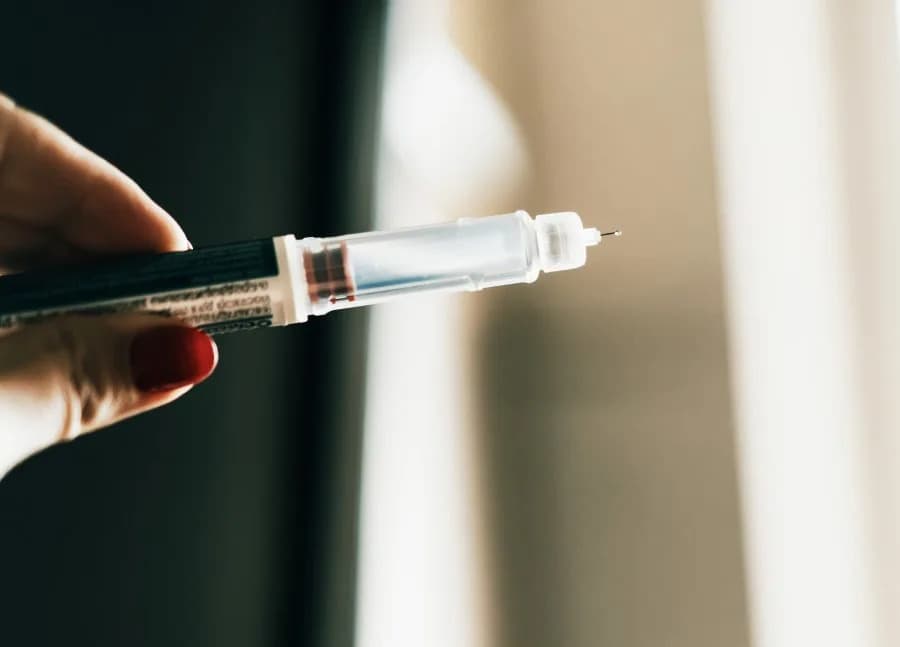
Northwestern researchers report a supramolecular peptide therapy that crosses the blood-brain barrier after one IV dose and self-assembles into nanofibers in the brain. In preclinical (animal) studies the treatment reduced tissue damage and showed no observed organ toxicity. The therapy is designed to act during reperfusion, converting a narrow rescue window into an opportunity for repair, with plans to explore traumatic brain injury and ALS next.
Injectable 'Dancing Molecules' Could Repair Stroke Damage During Reperfusion
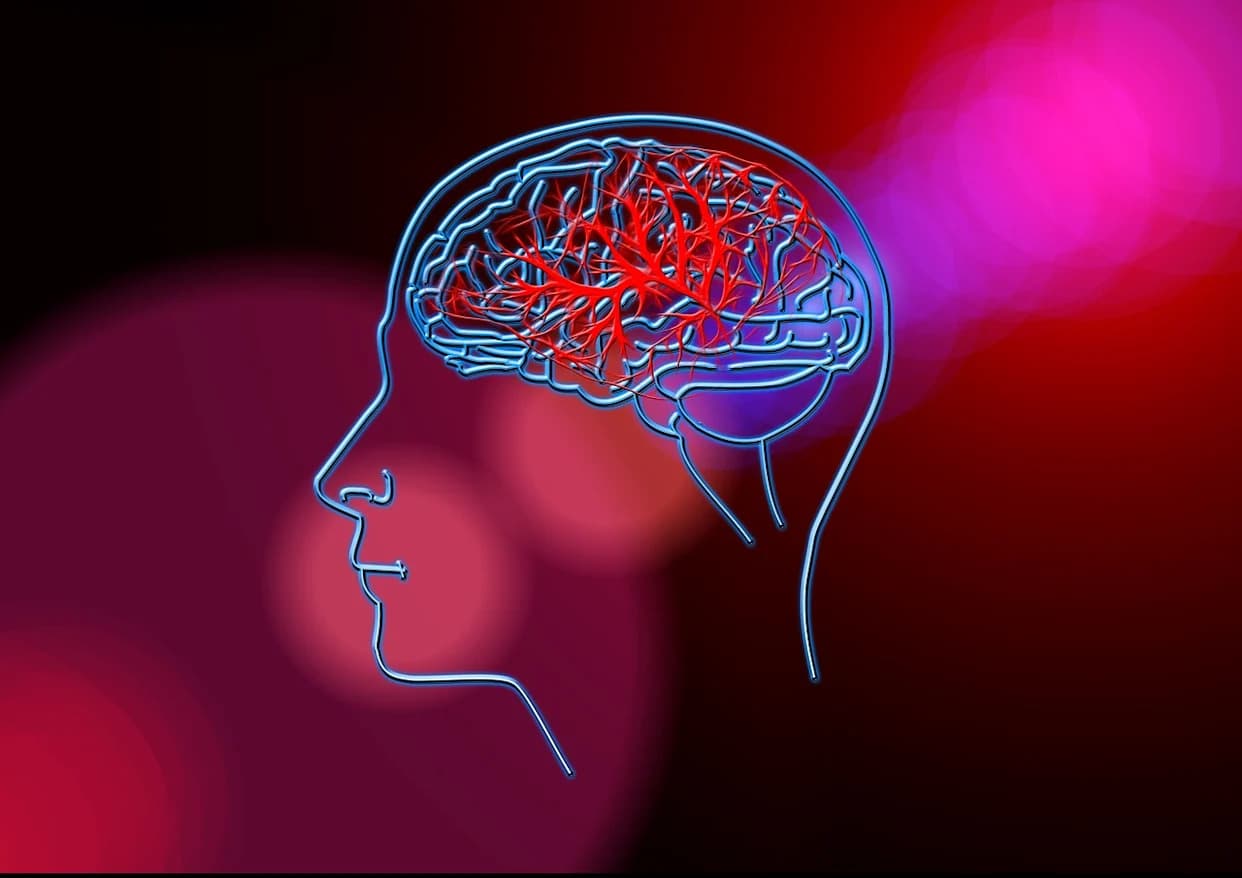
Image: Needpix.com
Researchers at Northwestern University have developed an injectable supramolecular peptide therapy—nicknamed 'dancing molecules'—that, in preclinical studies, crosses the blood-brain barrier after a single IV dose and promotes repair of neural tissue during reperfusion. The approach leverages a short time window when oxygenated blood returns to stroke-damaged brain tissue to deliver therapy directly to injured areas.
How It Works
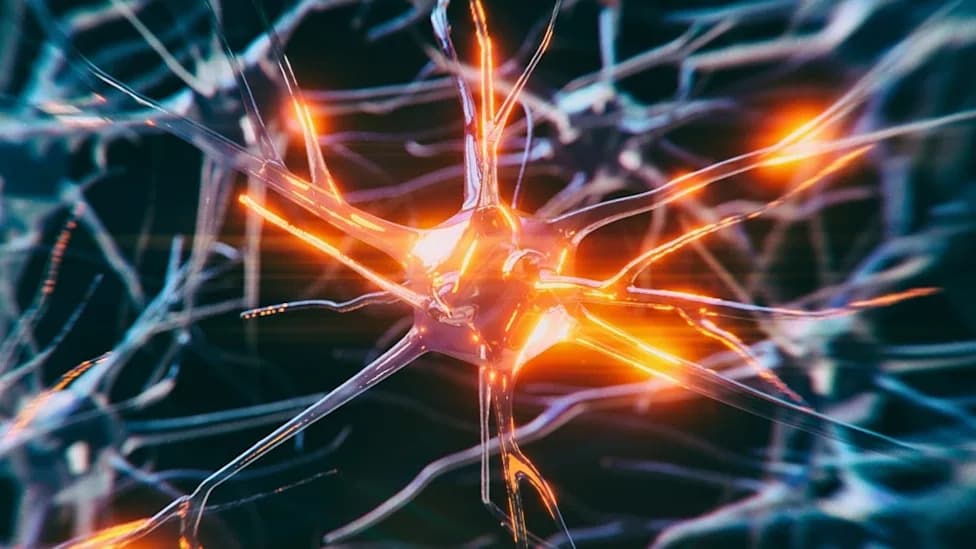
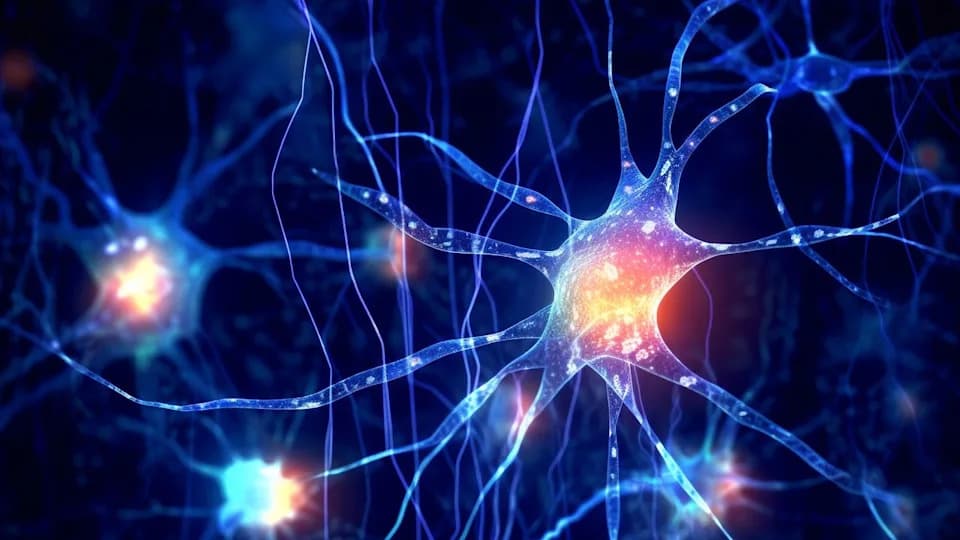
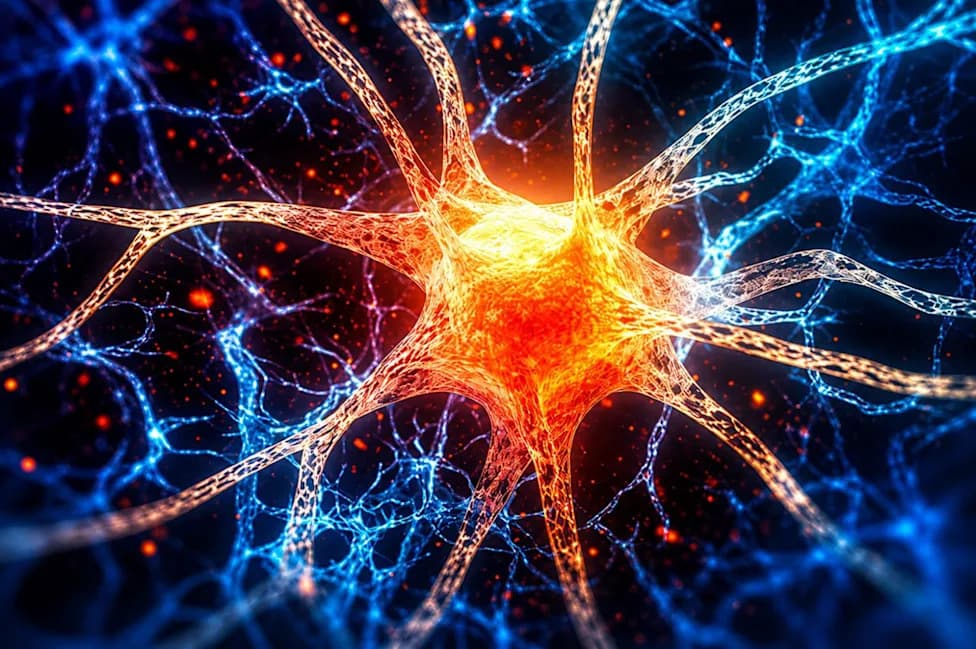
The therapy uses small peptide fragments that slip past the brain's protective barrier and self-assemble into larger nanofibers inside the brain. These nanostructures act like a temporary scaffold: they reduce inflammation and provide biochemical cues that encourage neurons to reconnect and grow new axons. Lead researcher Samuel I. Stupp describes the delivery mechanism and cross-barrier capability as a significant advance in systemic treatment for brain injuries.
Timing and Clinical Rationale
Unlike therapies that must reach the brain by chance, this approach is designed to act during the reperfusion phase—when blood flow is restored to previously oxygen-starved tissue—turning a narrow rescue window into a targeted repair opportunity. Researcher Ayush Batra notes the team is focused on optimizing delivery so the therapy reaches the intended damaged regions at the critical time.
Preclinical Results And Next Steps
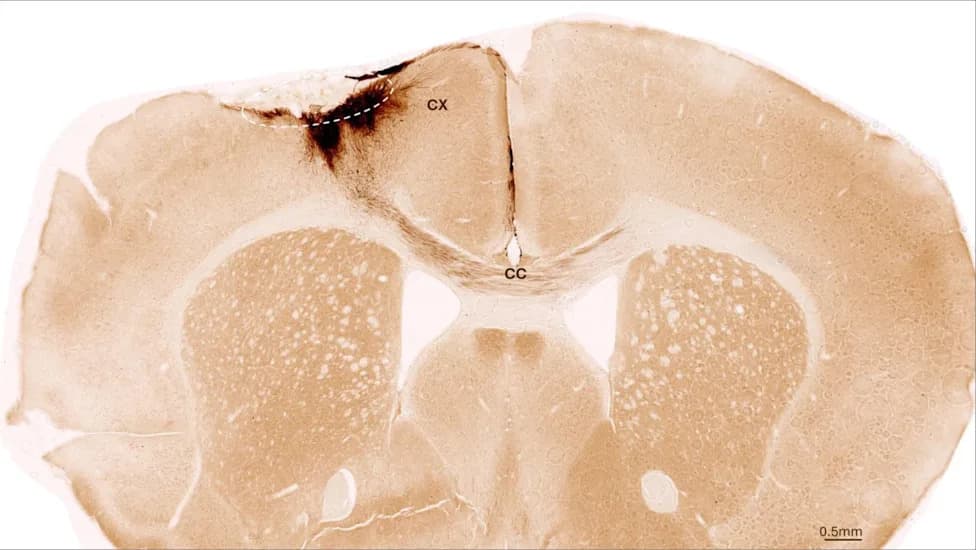
In animal models, the peptide treatment reduced tissue damage significantly compared with controls, and investigators reported no observable toxicity or adverse effects in other organs in those studies. The team plans to explore applications for traumatic brain injury and amyotrophic lateral sclerosis (ALS), building on Stupp's earlier spinal cord therapy work that received FDA Orphan Drug designation. Importantly, these findings remain at the preclinical stage; further testing is needed before human trials can determine safety and efficacy in patients.
Takeaway: The combination of targeted, time-sensitive delivery and in situ self-assembly of reparative nanofibers offers a promising avenue for turning the brief reperfusion period into an active window for neural repair—but human trials are still required.
Help us improve.