DOJ emails and texts reveal Jeffrey Epstein followed Brett Kavanaugh’s 2018 Supreme Court confirmation closely and urged Republicans to press Christine Blasey Ford harder during her testimony. Epstein warned the hearing was "a trap," criticized the choice of prosecutor and suggested specific lines of questioning. The records show Epstein’s ties to Kenneth Starr but do not indicate any meeting or direct connection between Epstein and Kavanaugh.
DOJ Records: Jeffrey Epstein Backed Brett Kavanaugh, Urged Tougher Cross-Examination of Christine Blasey Ford
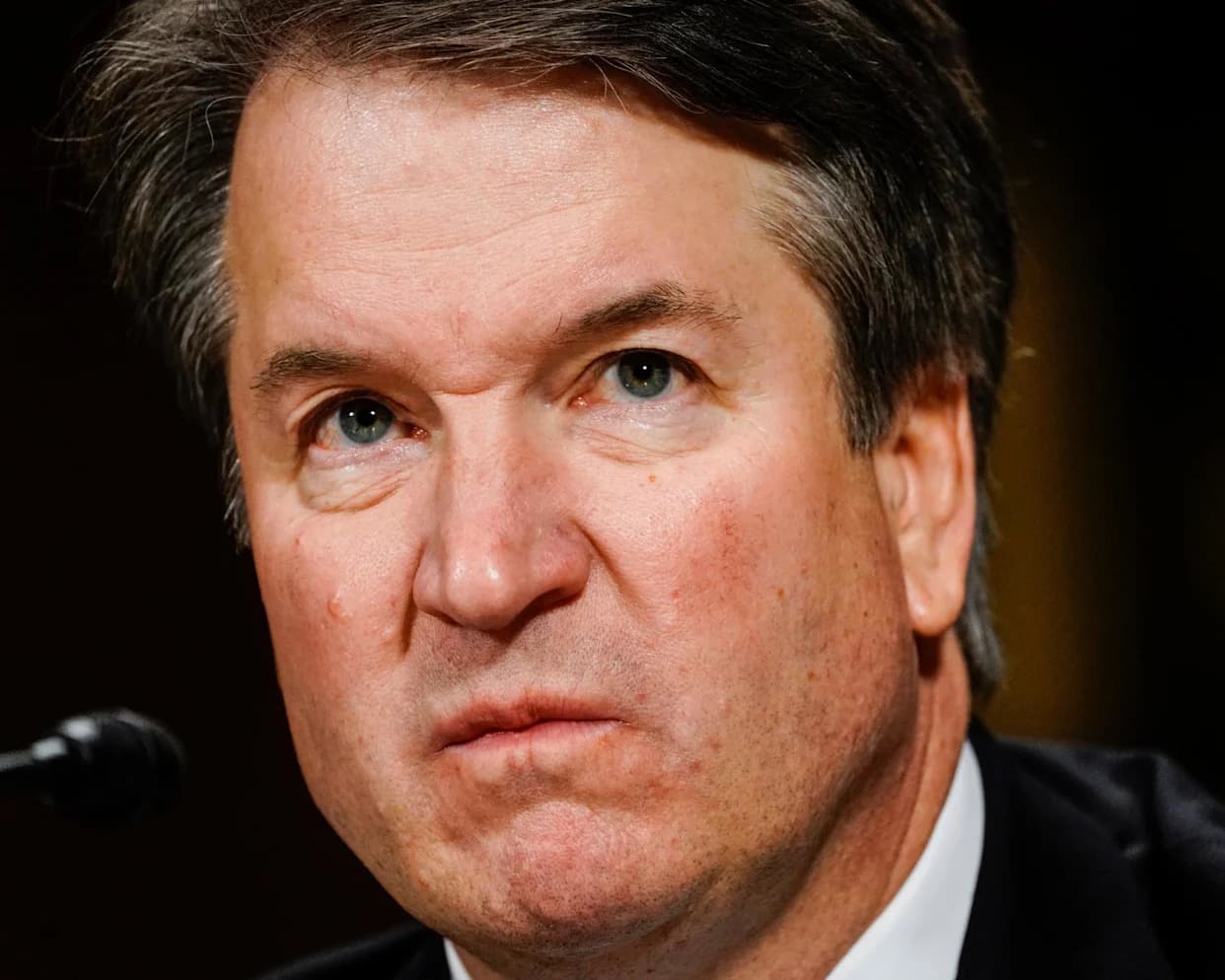
Then-supreme court nominee Brett Kavanaugh at a Senate judiciary committee hearing on Capitol Hill in Washington DC on 27 September 2018.Photograph: Getty Images(Photograph: Getty Images)
Newly released Department of Justice emails and text messages show Jeffrey Epstein closely monitored Brett Kavanaugh’s contentious 2018 Supreme Court confirmation, expressed sympathy for the nominee and urged Republicans to press Christine Blasey Ford more aggressively during her testimony.
Epstein’s messages, dated August and September 2018, include direct commentary about the hearings and suggested lines of questioning. In one exchange on 22 September 2018, Epstein wrote to a redacted recipient, "I've sat in Kavanaugh chair. I'm thinking of November," though the meaning of the November reference is not explained in the records.
Warnings About the Hearing
Describing the upcoming Senate testimony as "a trap!" Epstein wrote that Ford would "cry, make sordid allegations," and claimed she would describe lasting trauma and anxiety. He criticized the choice of Rachel Mitchell—a prosecutor appointed by Republican senators to question Ford—and argued that prosecutors are not suited to cross-examination. In messages on 27 September 2018, Epstein suggested alternative lines of questioning, including whether Ford had a family history of anxiety, whether the bedroom lights were on, whether she had seen Kavanaugh after the alleged incident, and how she escaped the party.
"Horrible choice of prosecutor woman. Critical and maybe lethal mistake... prosecutors don’t cross examine. they prosecute.. power on their side. she should have been a criminal defense attorney."
Ford’s Testimony And Reactions
On 26 September 2018, Christine Blasey Ford, a psychology professor, testified under oath that a "visibly drunk" Brett Kavanaugh pinned her to a bed, groped and ground against her, and attempted to remove her clothing during a party in 1982 when both were teenagers. Ford said she believed Kavanaugh intended to rape her and covered her mouth to stifle screams before escaping. Kavanaugh denied the allegations.
Lisa Graves, a Democrat and former chief counsel for nominations at the Senate Judiciary Committee, called the newly disclosed messages "appalling," saying it was disturbing to see Epstein—who was at the center of efforts to abuse young women and girls—commenting on the testimony of a woman who said she had been assaulted as a girl.
Epstein’s Connections
The DOJ files do not show evidence that Kavanaugh knew or met Epstein. However, the records document frequent contact between Epstein and Kenneth Starr, the late independent counsel who led the investigation into President Bill Clinton and who had professional ties to Kavanaugh; Kavanaugh worked as an associate on Starr’s team. Starr, who died in 2022, was also involved in Epstein’s widely criticized 2008 plea agreement.
In one exchange on 23 August 2018, Epstein asked Starr about a report tied to Kavanaugh; Starr replied that the release should be "a non-event for Brett" and that there was "no finding of illegality." In messages from early July 2018—days before Kavanaugh’s nomination became public—Epstein referred to Kavanaugh as his "first choice."
While the newly disclosed communications add context about who was watching and commenting on the confirmation battle, they do not provide evidence of a relationship between Epstein and Kavanaugh. The records do, however, highlight Epstein’s interest in the proceedings and his connections to prominent legal figures involved in investigations and political controversies of the era.
Help us improve.