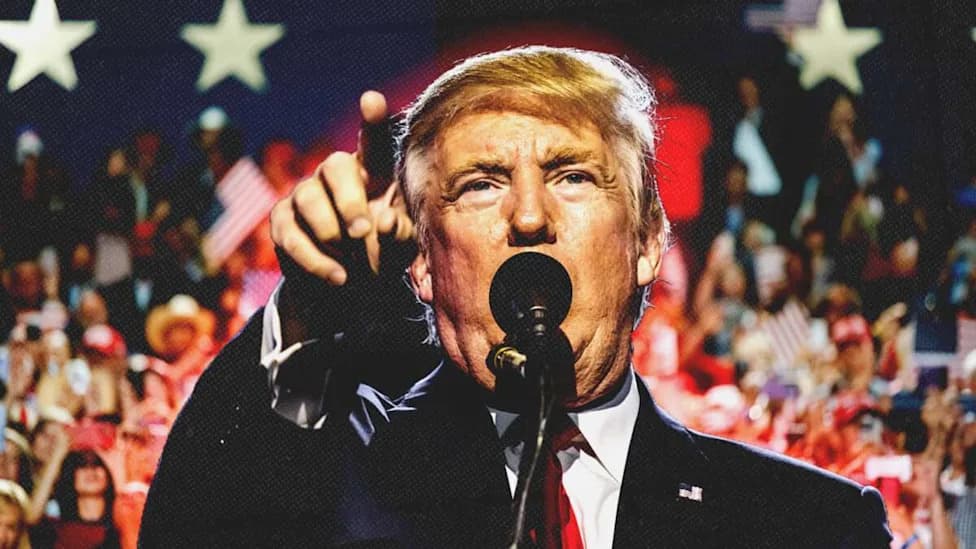
Judge Emmet Sullivan ordered the DOJ to provide handwritten notes from four 2019 FBI interviews with a woman who alleges she was trafficked by Jeffrey Epstein and assaulted by Donald Trump as a teenager. The DOJ has appealed, arguing the notes duplicate already released memoranda; Sullivan rejected that contention and noted the government has released similar handwritten notes before. The order requires submission to the court file but does not mandate public release. The case arises amid Katie Phang’s lawsuit seeking broader disclosure of Epstein records under the Epstein Files Transparency Act.
Reagan-Appointed Judge Orders DOJ To Provide FBI Handwritten Notes From Trump Accuser Interviews
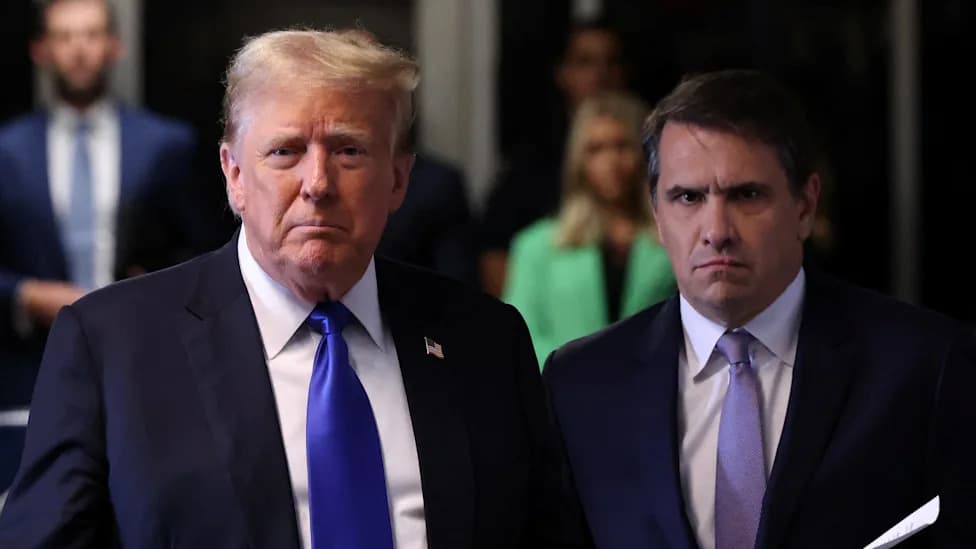
Michael M. Santiago / via REUTERS
U.S. District Judge Emmet Sullivan has directed the Department of Justice to deliver handwritten notes from four FBI interviews conducted in 2019 with a woman who alleges she was trafficked by Jeffrey Epstein and assaulted by Donald Trump as a teenager.
What the Court Ordered
Judge Sullivan ordered the DOJ to produce all handwritten interview notes to the court file. The order requires delivery to the judge, not immediate public release, but it represents a decisive step in a dispute over the government’s handling of Epstein-related records.
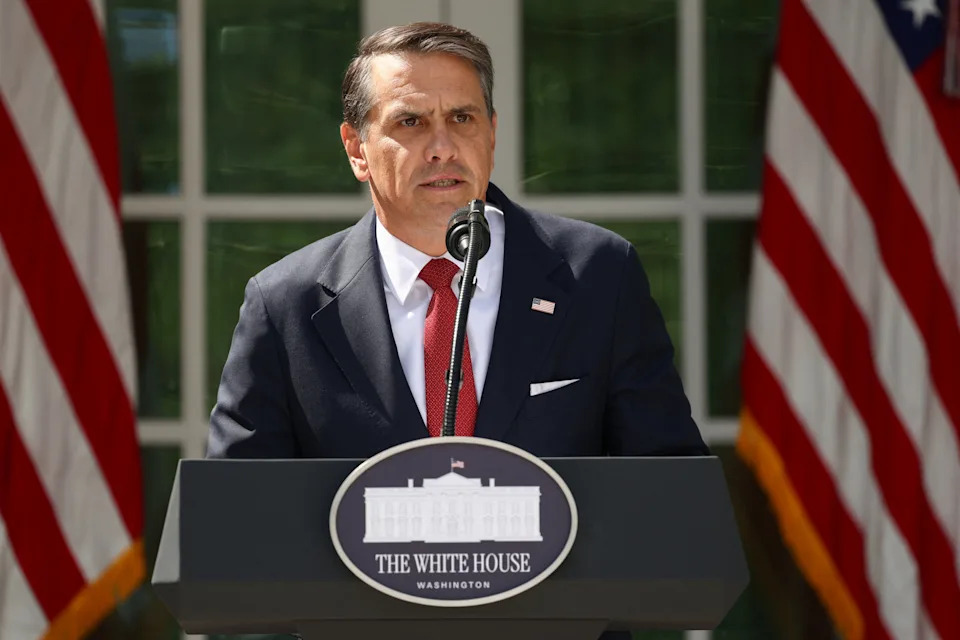
President Donald Trump’s handpicked attorney general, Todd Blanche, has fought the release of handwritten notes from an FBI interview with a woman who accused the president of sexual abuse. / Kevin Lamarque / REUTERS
The Legal Fight
The dispute stems from a lawsuit by former MS Now host Katie Phang, who sued the government under the Epstein Files Transparency Act seeking broader release of unredacted records related to Epstein, including material tied to the President’s teenage accuser. The Justice Department, led in this matter by Attorney General Todd Blanche, appealed the order in an effort to keep the notes shielded from the court file or public disclosure.
Government’s Argument and the Judge’s Response
The DOJ argued that the handwritten notes duplicated FBI interview memoranda already released and therefore did not need to be turned over. Sullivan rejected that characterization, noting the government has previously released handwritten notes from more than 100 witness and survivor interviews and can do the same in this instance.
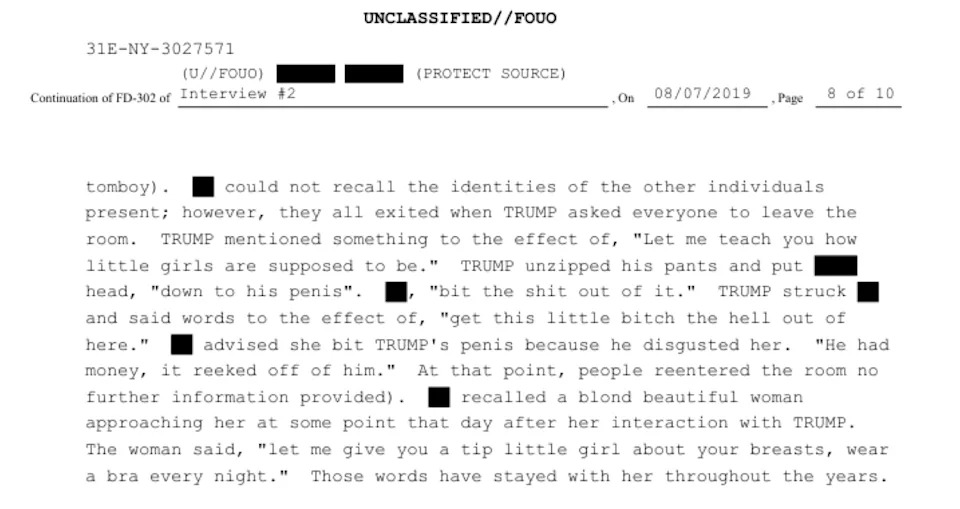
The president’s accusers told investigators that Trump said to her,
Allegations Described in Interviews
The accuser, identified in court records as "Jane Doe 4," was interviewed after Epstein’s 2019 arrest on federal child sex-trafficking charges. A redacted FBI report disclosed earlier this year quotes the woman saying Trump forced her to perform a sexual act and that he struck her. The report also includes the woman’s account that she "bit the s--t out of" his penis and that Trump subsequently yelled, "Get this little b---h the hell out of here."
Responses and Context
The White House has dismissed the allegations as "backed by zero credible evidence" and "totally baseless," and Trump has repeatedly denied any wrongdoing connected to Epstein. Local reporting by The Post and Courier indicates the newspaper reviewed handwritten FBI notes but could not corroborate the specific claims in them.
What Comes Next
Because Sullivan’s order requires submission of the notes to the court rather than public release, further litigation will determine whether the notes become part of the public record. The DOJ’s appeal seeks to prevent the notes from being added to the case file, and the outcome will likely shape how other Epstein-related records are handled going forward.
Note: The accused and the White House deny the allegations; the accuser’s identity remains protected in court filings as "Jane Doe 4."
Help us improve.