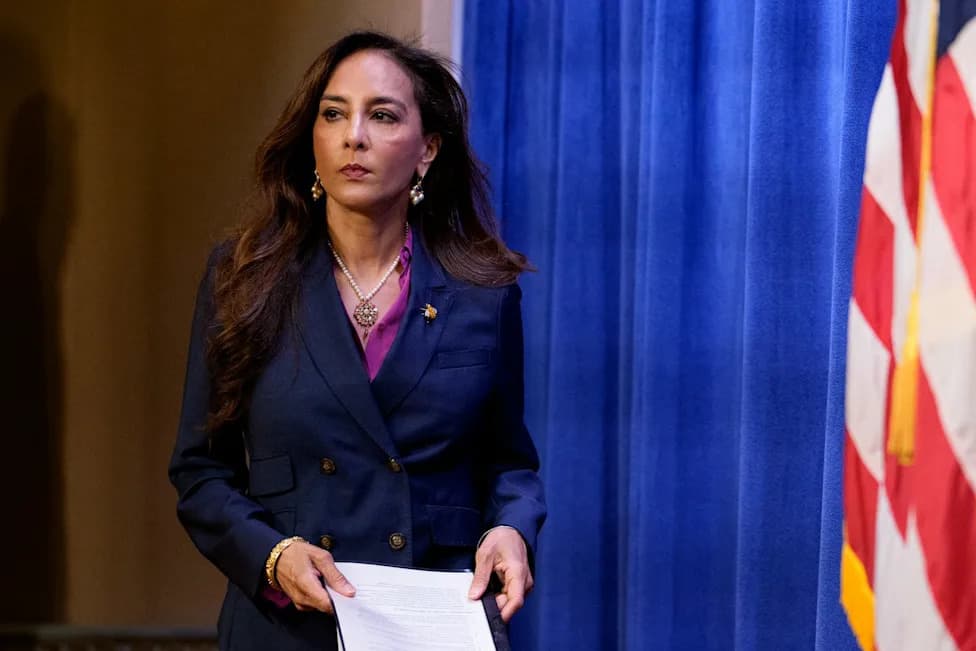
Rep. Pam Altendorf says she found nearly 3,000 active voter records in Hennepin County missing birthdates, names or addresses after obtaining county voter-roll data. She claims three other counties were instructed not to release records, and warns federal help may be needed if state officials do not address the issues. Hennepin County says it follows state law and that returned confirmation postcards and other verification steps can flag records; the Secretary of State’s Office had not commented.
Minnesota Lawmaker Flags Nearly 3,000 Voter Records Missing Key Details After Reviewing Hennepin Files
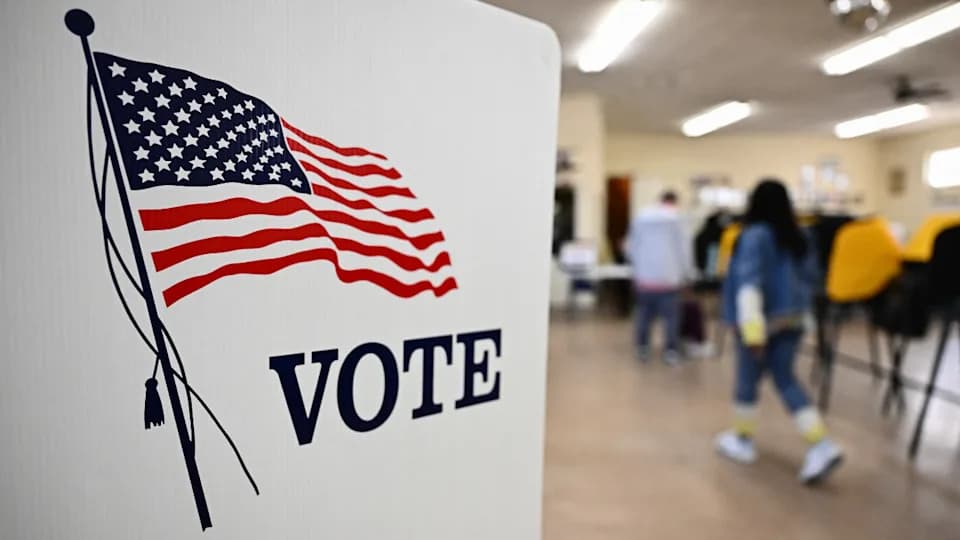
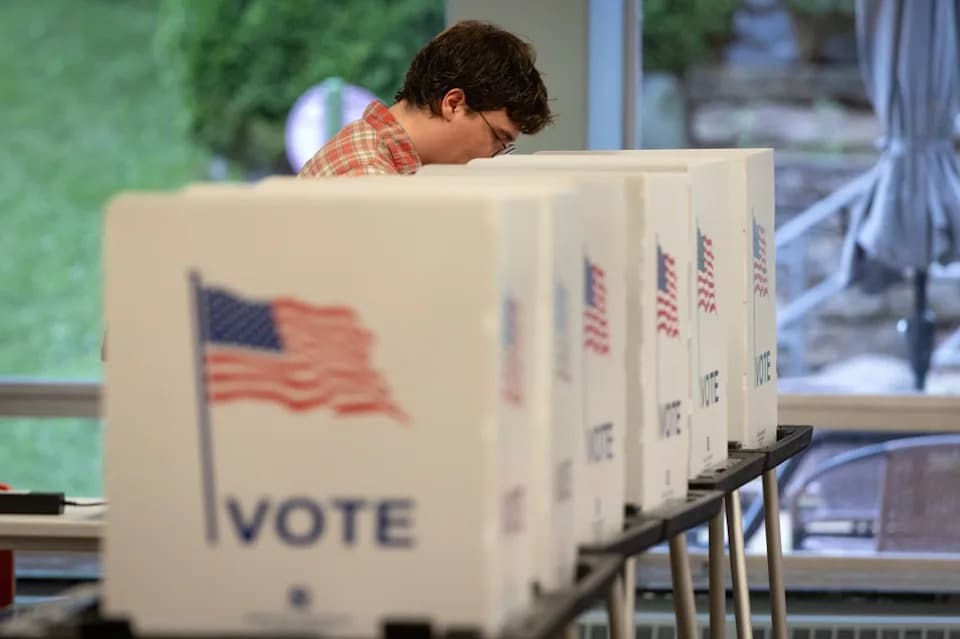
A voter casts a ballot during the Super Tuesday primary at a polling station in an American Legion Post in Hawthorne, Calif., March 5, 2024.(Getty Images)
A Minnesota state representative says she uncovered nearly 3,000 active voter records in Hennepin County that lack key identifying details, igniting a dispute over who can access voter-roll data and how election records are maintained.
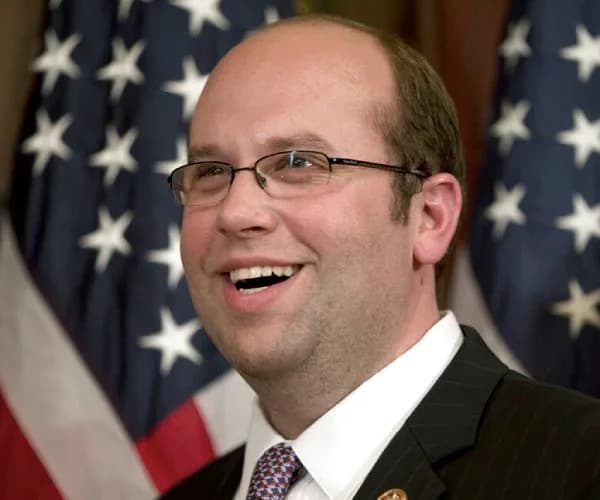
Rep. Pam Altendorf, vice chair of the Minnesota House Elections Committee, told reporters she submitted requests to four counties seeking active voter-roll data after consulting state statutes and election-integrity groups. She says three counties were instructed not to release the files — a directive she attributes to guidance from the Minnesota Secretary of State’s Office — while Hennepin County provided the dataset she reviewed.
After analyzing the Hennepin records, Altendorf said she identified nearly 3,000 entries missing information such as birthdates, full names or addresses, and that the file contained what she described as potential duplicate records. She also said some entries appeared to list voters older than 100 years; however, she did not provide publicly specific examples.
Hennepin County responded to media inquiries by saying it administers elections according to state law and the Secretary of State’s guidance. The county noted that address-verification issues — for example, when a registration-confirmation postcard is returned as undeliverable — routinely trigger a record to be flagged or challenged.
Media reporting and county officials also point to a historical practice that may explain some anomalous ages: outlets reported that a birth year of 1900 was used as a placeholder for voters who registered before 1983, when providing a full birth date was not required.
Altendorf said her actions were prompted in part by reports that the U.S. Department of Justice had requested voter-roll data from states as part of a broader election-integrity review; she says Minnesota declined to provide that information citing privacy concerns. After reviewing statutes and coordinating with groups including the Minnesota Voters Alliance, she concluded she had the authority to request county records directly.
Altendorf's Position: If state officials will not "clean" the rolls, federal intervention may be required to protect lawful voters from disenfranchisement, she warned.
The Minnesota Secretary of State’s Office did not immediately respond to requests for comment for this report. The situation highlights competing priorities between election transparency, data privacy, and the procedures counties follow to verify and maintain voter registration records.
Help us improve.