Giorgia Meloni has intensified a culture war that is reshaping Italian public life, from state broadcasting to classrooms and family law. The controversy over comedian Andrea Pucci’s withdrawal from Sanremo after online abuse exposed tensions about free expression and intimidation. Ms Meloni’s government has pursued measures restricting LGBT‑related education, criminalising foreign surrogacy (2024) and promoting pro‑motherhood policies, while critics accuse it of rolling back reproductive and LGBT rights. The next national election, in 2027, could determine how far these changes endure.
Meloni’s Culture War: From Sanremo Backlash to Laws Targeting ‘Woke’ Policies
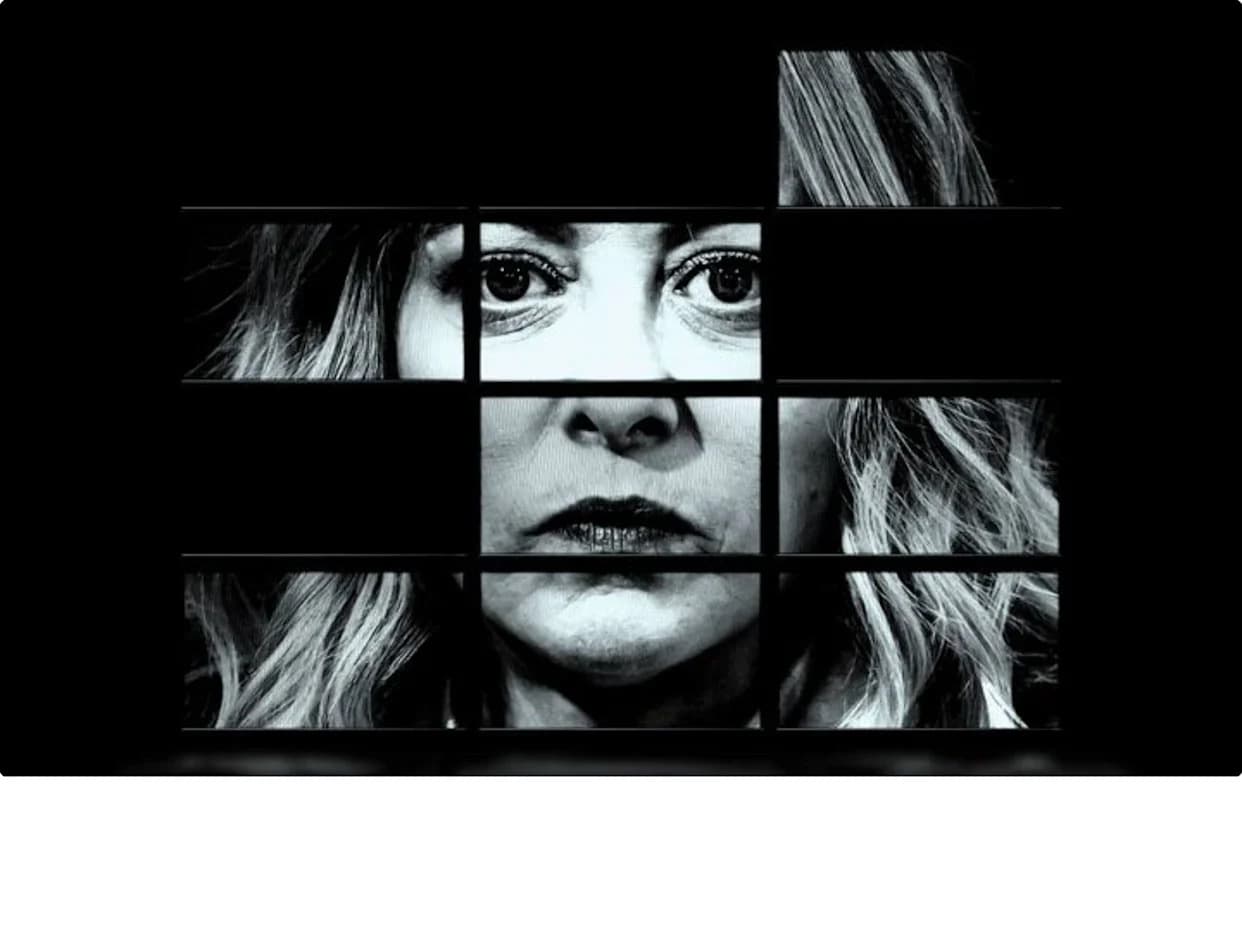
MELONI TV
Italy’s prime minister, Giorgia Meloni, has escalated a culture war that is reshaping public life and politics across the country. A recent flashpoint came when Andrea Pucci, described in some outlets as Italy’s “only Right‑wing comedian”, withdrew from co‑hosting the Sanremo music festival after an online backlash to a photograph he posted. The episode has become emblematic of a broader contest over culture, identity and the role of state institutions.
Sanremo, RAI and the Culture Wars
Pucci posted an image of himself looking out to sea with his bare buttocks visible. Responses ranged from amusement to outrage; an online campaign of threats and abuse followed and Pucci pulled out of the festival. Ms Meloni publicly condemned the intimidation, saying it was "sobering" that an artist would feel forced to abandon work because of "a climate of intimidation and hatred."
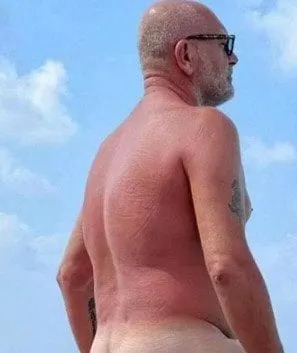
Andrea Pucci posted a picture of himself looking out to sea, close to the Sanremo music festival, with his bare buttocks in full view - www.ilmattino.it
The row is significant because the hosting role was offered by RAI, Italy’s state broadcaster. Since taking office in 2022, Ms Meloni has appointed allies to senior roles at RAI, prompting critics to dub the corporation “TeleMeloni” and accuse her of politicising public media. Supporters argue the reshuffle corrects a perceived left‑wing bias.
Other Flashpoints
The culture war flared again after Paolo Petrecca, director of RAI Sport, made a series of on‑air errors while commentating on the Winter Olympics opening ceremony in Italy — from greeting viewers at the wrong stadium to misidentifying a performer. The mistakes led the sports journalists’ union to announce a three‑day strike after the Games and fuelled accusations of "political occupation and amateurism" from opposition figures.
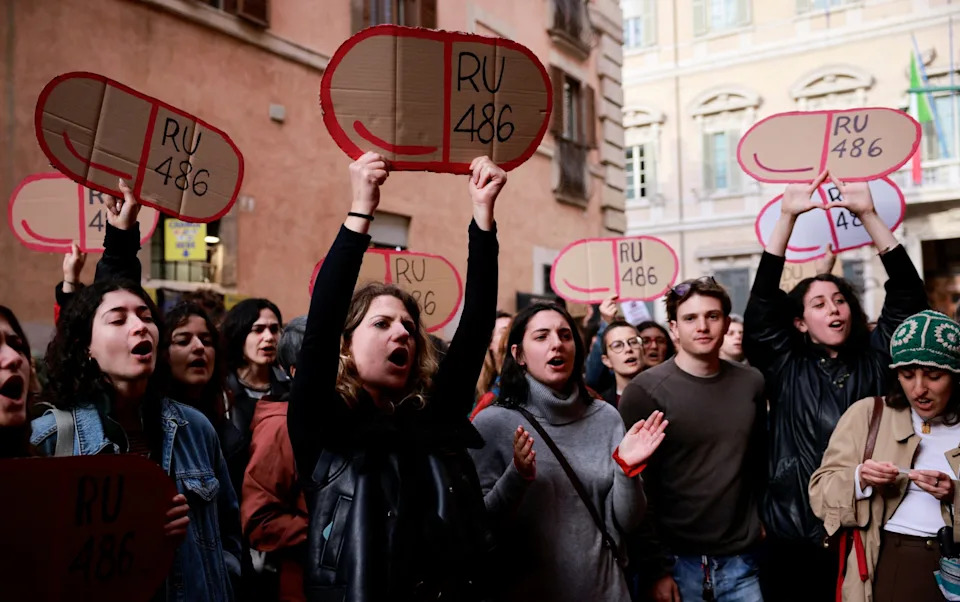
Women in Rome hold cardboard cutouts of abortion pills as they demonstrate against anti-abortion groups being allowed to operate in family clinics - Reuters/Yara Nardi
Policy Moves: Family, Gender And Reproductive Rights
Ms Meloni’s government has pursued a set of social‑conservative policies that critics say roll back LGBT and reproductive rights while supporters say reinforce family values. Key moves include proposals to ban what the government terms “gender ideology” from schools and to prevent non‑biological parents in same‑sex couples being registered on birth certificates. In 2024 the government criminalised surrogacy abroad, outlawing so‑called “uterus renting” both outside Italy and domestically.
At the same time, the administration has promoted measures designed to encourage motherhood: tax cuts on baby products, expanded nursery‑school provisions and a proposed "motherhood income" — a suggested payment of £870 per month for five years for low‑income women visiting abortion counselling centres. The government has also authorised groups that "support motherhood" to operate near abortion advice clinics, a move critics say could intimidate women seeking care.
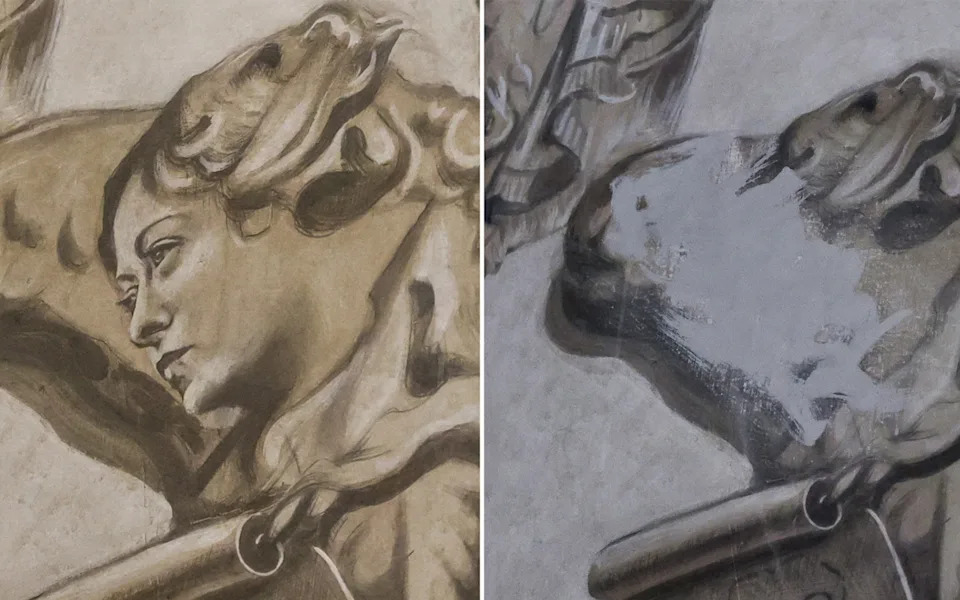
After a political and religious outcry, Giorgia Meloni’s face was scrubbed from an angel in a side chapel of the Basilica of San Lorenzo
“There has been a retreat on women’s reproductive rights under Meloni,” said Giorgia Serughetti, professor of political philosophy at the University of Milano‑Bicocca. “She has launched a ferocious attack on LGBT families.”
A Paradoxical Figure
Ms Meloni is Italy’s first female prime minister, yet she does not embrace the feminist label. She routinely uses the masculine form of her title, opposes gender quotas and has said she never felt discriminated against. Her personal narrative — a single mother who rose from humble origins to lead the country — sits uneasily with policies that critics view as reinforcing traditional gender roles.
Her party, Brothers of Italy, traces roots to post‑war movements that emerged from the remnants of Benito Mussolini’s supporters. Ms Meloni has disavowed earlier praise for Mussolini but still invokes conservative slogans such as “God, Fatherland and Family.” Her rallies frequently highlight a polarised, us‑versus‑them politics: supporters chant and the prime minister often joins in.
Culture, Symbols And Public Opinion
Incidents such as an amateur artist painting Ms Meloni’s face on an angel in a Roman basilica — later scrubbed after a political outcry — underscore how cultural symbols have become battlegrounds. Even within churches and public spaces, Italians remain sharply divided over whether such controversies distract from pressing problems like sluggish growth, stagnant wages and strains on the health service.
Ms Meloni’s government has brought a degree of stability to Italy’s fractious politics, and the next national election is due in 2027. If re‑elected, analysts say she would have scope to further entrench her cultural and institutional agenda.
Key facts: the Sanremo withdrawal highlighted tensions around freedom of expression and online harassment; RAI’s leadership changes fuel claims of political influence over public broadcasting; legislation and proposals on gender, surrogacy and reproductive services reflect a coherent social‑conservative agenda; and Ms Meloni’s personal story — a woman who rejects the feminist label — adds complexity to how her premiership is perceived.
Help us improve.