Key developments: The DOJ has sued about 25 mostly Democratic officials for voter-roll records and has sought confidential data from several Republican-led offices. At least six GOP election offices refused to provide nonpublic voter information, citing state privacy laws and concerns about federal overreach. Officials also warned that comparing rolls to federal immigration databases like SAVE can yield false positives, and a proposed DOJ requirement to fix flagged issues within 45 days provoked strong objections. Only Alaska and Texas signed the DOJ memorandum; other states either refused or turned over files without signing.
Republican Election Officials Balk as DOJ Pursues Confidential Voter Rolls
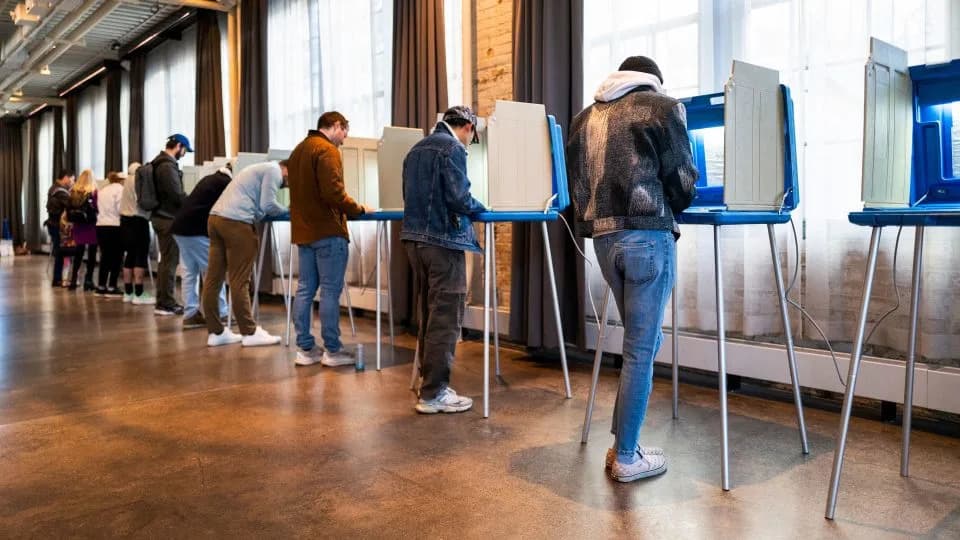
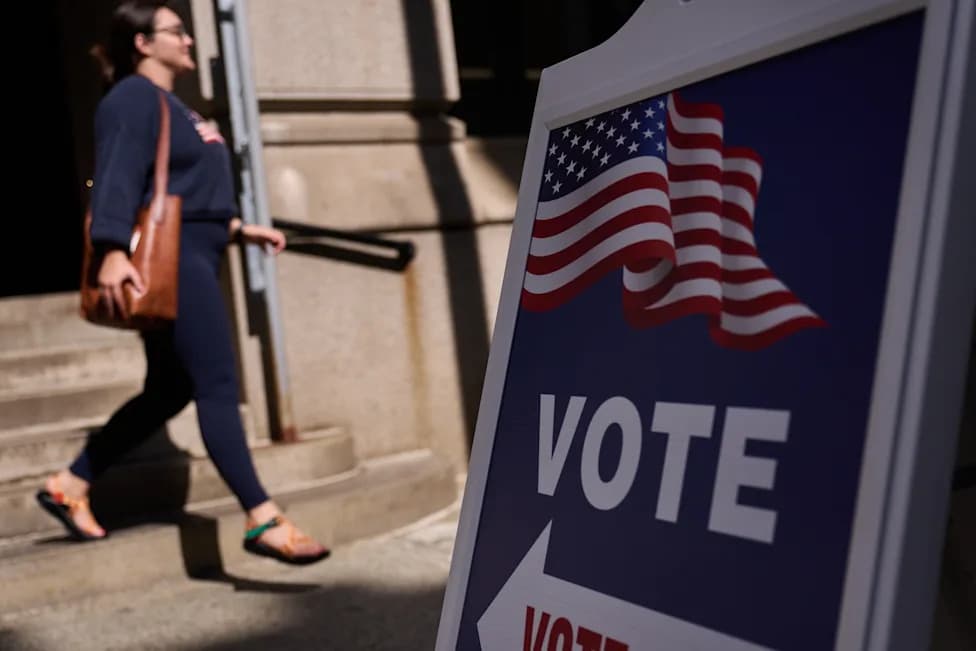
Voters fill out their ballots at a polling place in Minneapolis, Minnesota, on Election Day, November 4, 2025. - Stephen Maturen/Getty Images
The Justice Department under the Trump administration has sued roughly 25 mostly Democratic state election officials seeking voter registration files and has pressed Republican-led offices for confidential voter data. That push has run into resistance from several GOP secretaries of state and election administrators who cite state privacy laws, federalism concerns and the risk of inaccurate matches when federal immigration databases are used.
At least six Republican-run election offices have declined Department of Justice requests for nonpublic voter information — data that can include Social Security numbers, driver’s-license IDs and current addresses — according to interviews, local reporting and documents reviewed by CNN and the Brennan Center for Justice.
West Virginia Secretary of State Kris Warner told CNN the DOJ can buy the public voter list like anyone else in his state, but “they’re not going to get our personal information.” Other Republican officials provided sensitive files but refused to sign a Memorandum of Understanding the DOJ proposed, which would have required states to remove voters the department flagged as potentially ineligible.

An FBI employee stands inside the Fulton County elections center in Georgia on January 28, as the FBI seizes 2020 election ballots. - Mike Stewart/AP
Why Officials Push Back
GOP election administrators expressed three central concerns: the requests run up against state privacy laws, the federal government should not supplant state and local control of elections, and matches to federal immigration systems — notably the Systematic Alien Verification for Entitlements (SAVE) program — can produce false positives that wrongly identify naturalized citizens as noncitizens.
Mississippi Secretary of State Michael Watson, who ultimately provided the data but refused to sign the DOJ agreement, said the Memorandum’s requirement that states fix alleged roll issues within 45 days was particularly unacceptable because, in some states, removals are handled at the county level and must follow state procedures.
Other officials, including Oklahoma’s election board chief Paul Ziriax and Missouri Secretary of State Denny Hoskins, cited state privacy protections and said they would not turn over confidential records without a court order. Courts in some of the lawsuits brought by the DOJ have already rejected claims that the federal statutes the department cites override state privacy laws.
A sign is displayed outside of the Robert F. Kennedy Department of Justice building in Washington, DC, on June 1, 2025. - Kevin Carter/Getty Images/File
DOJ Push And Internal Pressure
The DOJ’s data requests began with letters in the spring and summer seeking information about list-maintenance practices and public fields from registration rolls. Follow-up letters in the fall made clear the department sought confidential files as well. When December letters arrived, the DOJ gave states seven days to respond and conducted follow-up calls and emails; in one instance, Eric Neff, then head of the DOJ voting section, warned a state official that silence would be treated as refusal.
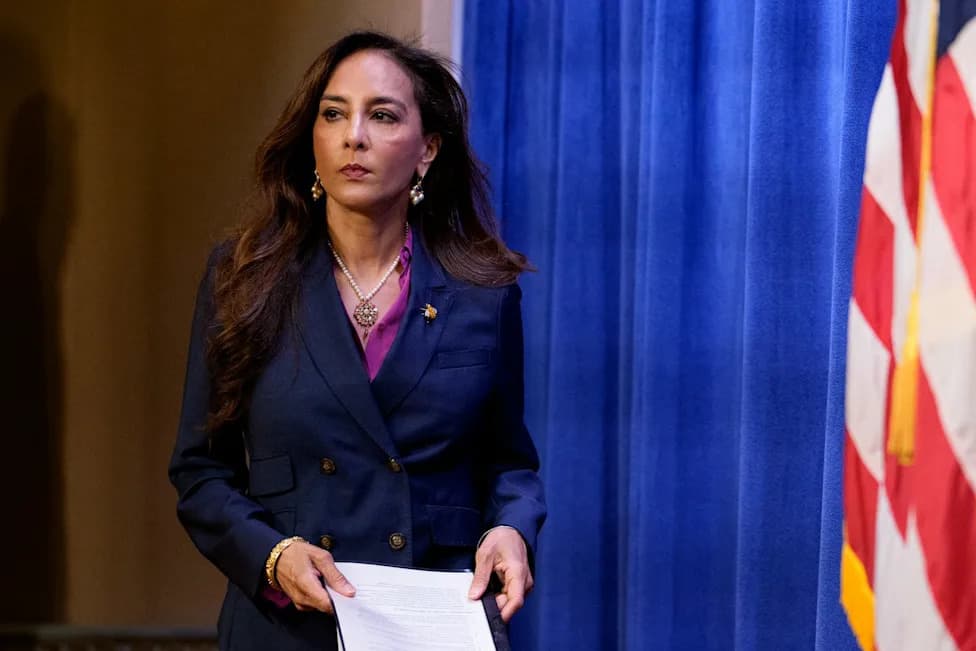
Assistant Attorney General for Civil Rights Harmeet Dhillon has led the effort. Dhillon dismissed some officials’ privacy concerns in public remarks, saying Social Security numbers are federal and often shared in routine transactions. In early February she suggested additional lawsuits might be filed, though no new voter-roll cases had been filed since December, according to reporting.
What States Did
Only Alaska and Texas have signed the DOJ memorandum, according to DOJ correspondence obtained by CNN. About a dozen states have turned over the requested files without entering the agreement; others refused or provided only publicly available records.
Election officials say they are willing to maintain accurate rolls but insist the work should follow state law and due process, not a federally imposed 45-day removal timetable. They also want clear limits on how the data may be used, given fears it could be repurposed for immigration enforcement or political ends.
DOJ declined to comment for this report. CNN reporters and the Brennan Center reviewed correspondence, interviews and court filings related to the matter.
Help us improve.