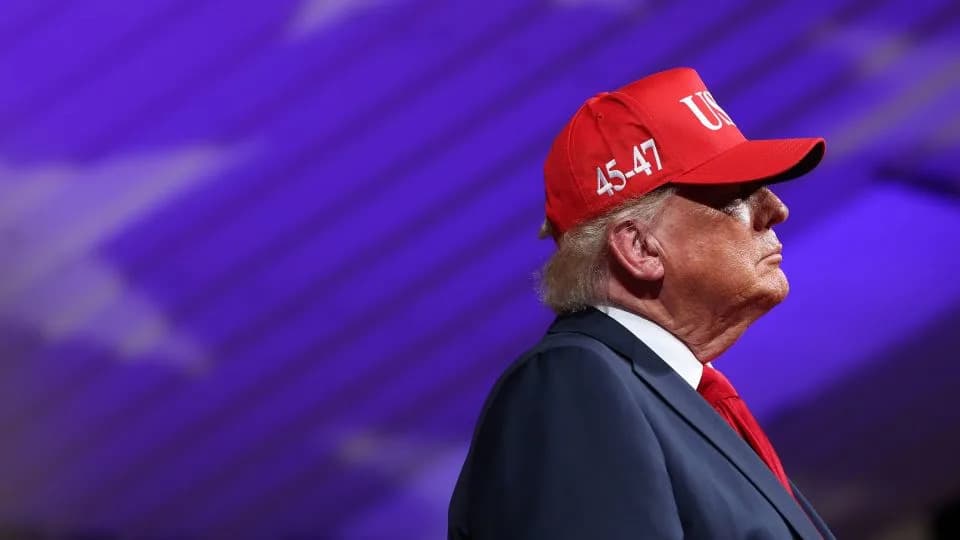
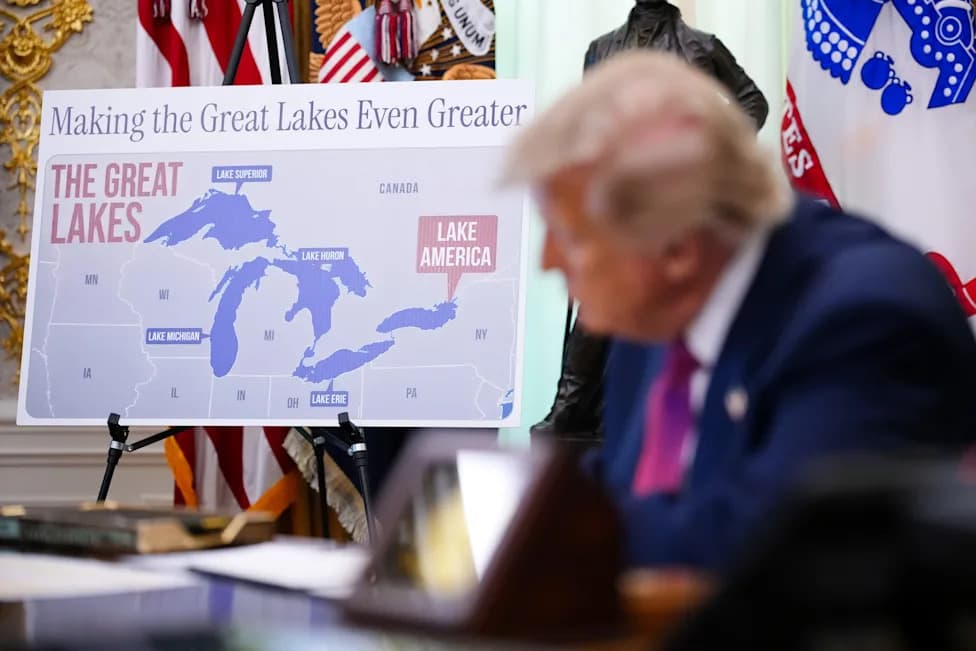
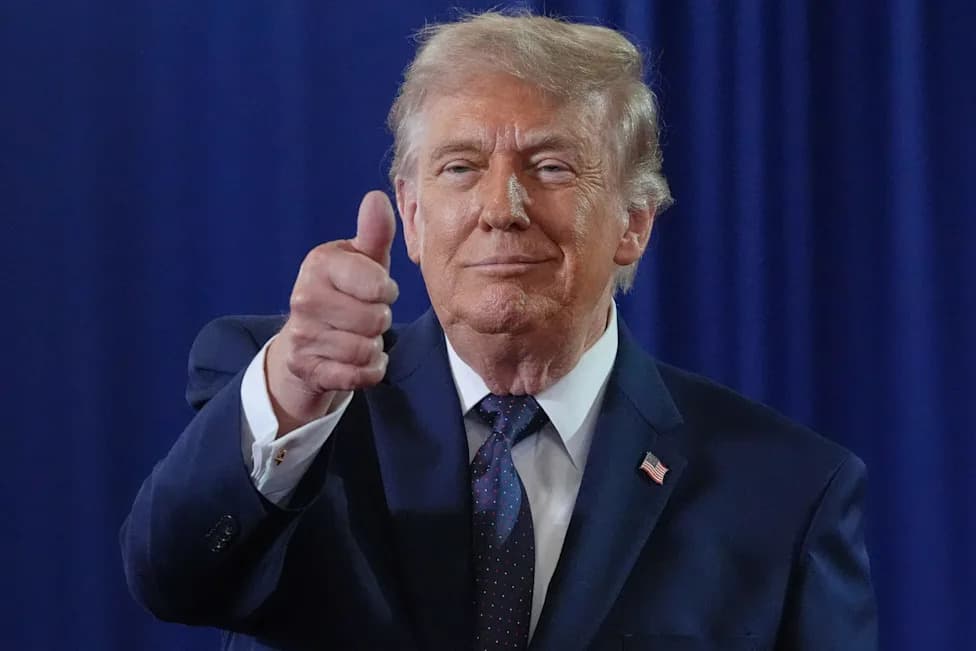
Donald Trump has become a near-constant presence in the news cycle, from incendiary personal attacks to branding initiatives that drive search interest. Data show searches for Trump remain elevated year-round, often outpacing peaks for past presidents. Much of the attention centers on personality-driven controversies rather than substantive policy. Observers warn this nonstop spotlight is unhealthy for democratic deliberation.
Every Day Is Presidents’ Day: How Trump Became a 24/7 News Cycle

Every day is Presidents’ Day now
When was the last time you went an entire day without the president crossing your mind?
In the past month alone, Donald Trump has remained omnipresent in the headlines: he posted a racist video targeting Barack and Michelle Obama, demanded that Dulles International Airport and Penn Station be renamed for him, falsely claimed to be “100% exonerated” in the Jeffrey Epstein matter, nominated a man accused of white-nationalist ties to the State Department, and criticized the Super Bowl halftime show. Those episodes are only a sampling of the daily bursts of presidential news.
Why This Feels Different
The Framers of the Constitution envisioned a rambunctious Congress as the main arena of political life, with the president stepping in for emergencies or to state broad national goals. They did not foresee a president who would constantly dominate public attention, turning routine moments into spectacle.
As a Washington-based political reporter, I notice the constant churn more than most, but the data backs it up: search interest in presidents like George W. Bush, Barack Obama and Joe Biden typically spikes around major events—State of the Union addresses, crises, or big legislative pushes. By contrast, searches for Trump remained elevated through his first term and have stayed high since his return to office. A quiet day for Trump on Google often outpaces a peak day for his predecessors.
Branding, Controversy and the Attention Economy
Part of Trump’s persistent visibility comes from deliberate branding: programs like Trump accounts for kids, TrumpRx, and the Trump Gold Card pull people to search for him. But many high-volume searches have centered on sensationalism rather than policy—his proposed birthday military parade, a meeting with Ukrainian President Volodymyr Zelenskyy, comments about director Rob Reiner, complaints about the Nobel Peace Prize, and his long-running ties to Jeffrey Epstein.
Trump has sought to put himself at the center not only of the national economy—through tariffs and pressure on the Federal Reserve—but of the attention economy as well, famously saying, “bad publicity is sometimes better than no publicity at all.”
The consequence is a presidency that is almost always front and center: his name affixed to institutions from the Kennedy Center to the Institute of Peace and even a new class of warships; offhand opinions on the Grammys, late-night hosts, the Winter Olympics and prosecutorial priorities. Sometimes these comments fall away as the news cycle moves on; other times aides or allied lawmakers attempt to convert the president’s whims into policy or public statements.
What This Means For Democracy
This nonstop spotlight is unhealthy for democratic life. Constant spectacle crowds out sustained attention to policy debates, governance, and the institutions the Framers intended to be central. Presidents’ Day—ironically—may be one of the rare times many Americans get a break from the unending presidential news feed.
We are living in a Groundhog Day of presidential spectacle: every day feels like Presidents’ Day, and there is no obvious end in sight.
Originally published on MS NOW.
Help us improve.