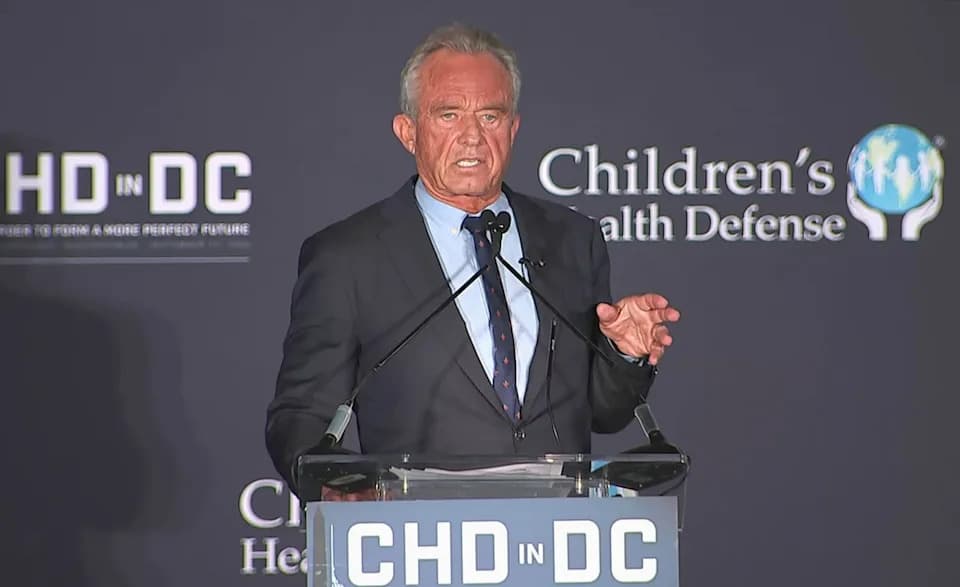
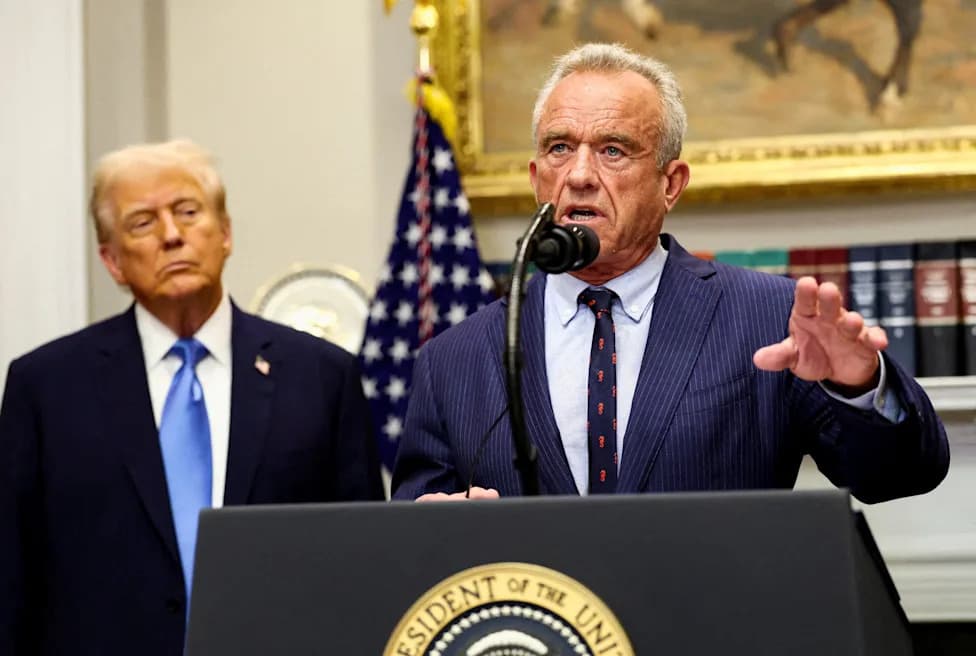
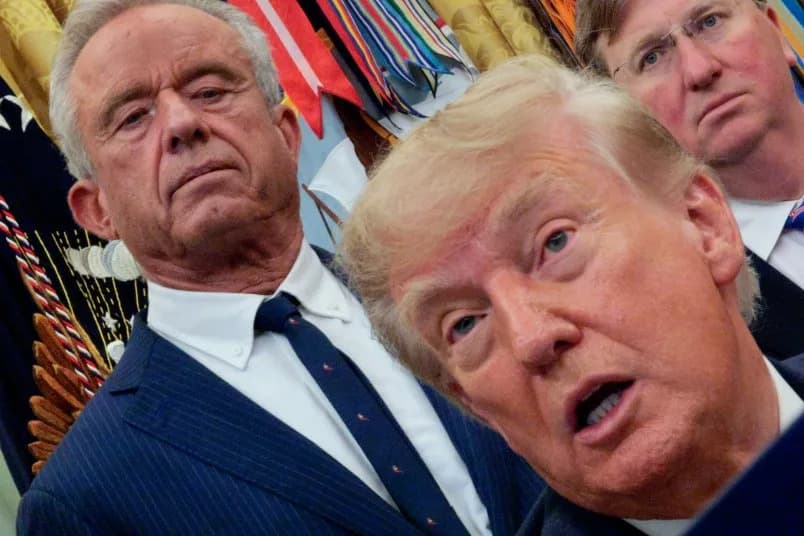
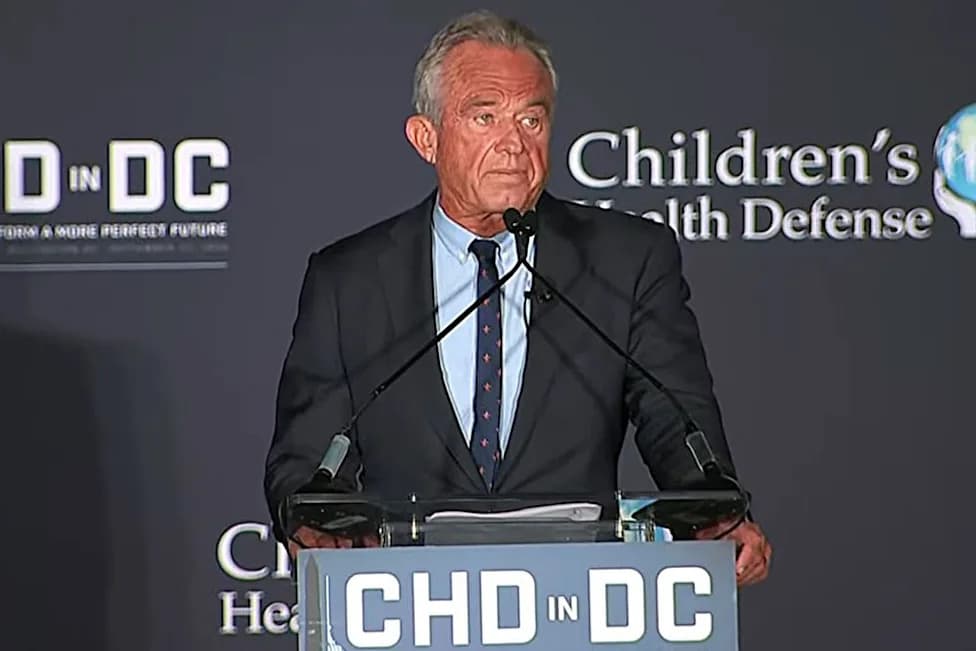
U.S. Health Secretary Robert F. Kennedy Jr. said the FDA will review a petition from former commissioner David Kessler to remove corn syrup and dozens of other sweeteners and starches from the GRAS list unless manufacturers prove they are safe. The move targets a 1958 rule that allows companies to self-affirm ingredient safety without full government review; Kennedy said he aims to close that loophole pending White House approval. Kessler likened the effort to past public-health campaigns against tobacco, while Kennedy emphasized informing consumers rather than immediate new regulation.
FDA To Review Petition To Strip GRAS Status From Corn Syrup, Other Processed Carbs, Kennedy Says
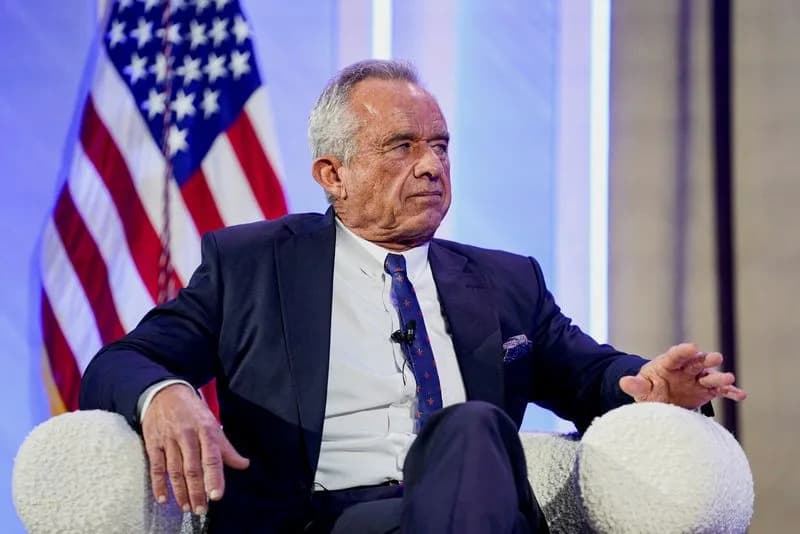
FILE PHOTO: U.S. Secretary of Health and Human Services Robert F. Kennedy Jr. speaks with U.S. Vice President JD Vance (not pictured) during the inaugural Make America Healthy Again (MAHA) summit in Washington, D.C., U.S., November 12, 2025. REUTERS/Nathan Howard/File Photo
NEW YORK, Feb 15 (Reuters) - The U.S. Food and Drug Administration said it will consider a petition to revoke the "Generally Recognized As Safe" (GRAS) designation for dozens of processed, refined carbohydrates unless manufacturers can demonstrate those ingredients are safe and not contributing to obesity and other health problems, U.S. Health and Human Services Secretary Robert F. Kennedy Jr. told CBS' 60 Minutes.
Kennedy said the agency will take up a request filed last August by former FDA commissioner David Kessler asking the agency to remove corn syrup and many other sweeteners and starches from the GRAS list.
"We will act on David Kessler's petition," Kennedy said. "And the questions that he's asking are questions that FDA should've been asking a long, long time ago."
Kennedy and Kessler argue that the GRAS classification, created by Congress in 1958, has permitted manufacturers to self-affirm the safety of many ingredients without a full, independent government safety review. Kennedy said he intends to close that loophole if he secures approval from the White House.
"There is no way for any American to know if a product is safe if it is ultraprocessed," Kennedy said on the program.
Kessler, a pediatrician who served as FDA commissioner from 1990 to 1997, has previously sought tougher oversight of major industries. During his time at the agency he pushed to bring tobacco under FDA authority—an effort that helped shift public perception even though it ultimately did not achieve full regulatory control at that time. He now wants a similar rethink of how ultraprocessed foods are regulated and perceived.
Two food industry trade groups, the Consumer Brands Association and the American Farm Bureau Federation, did not immediately respond to Reuters' requests for comment.
Kennedy has made reducing processed foods and artificial dyes a high-profile priority in office. Recent federal dietary guidance released last month also encouraged Americans to eat more protein, cut back on added sugars and avoid highly processed foods.
On the CBS program, Kennedy stopped short of announcing new regulatory action.
"I'm not saying that we're going to regulate ultraprocessed food," he said. "Our job is to make sure that everybody understands what they're getting, to have an informed public."
(Reporting by Michelle Conlin in New York; Editing by Sergio Non and Alistair Bell)
Help us improve.