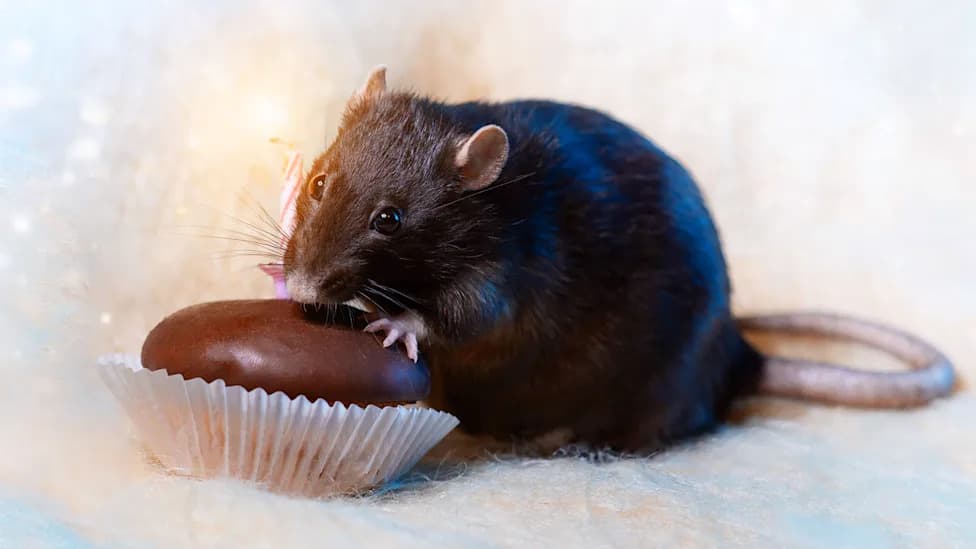
New Japanese research suggests flavanols — bitter compounds in dark chocolate, tea, red wine and some berries — may activate sensory nerves that send signals to the brain, producing short-term effects similar to light exercise. In mice, a single low dose raised activity and improved memory while activating brain regions tied to attention and stress regulation. Researchers frame this within the emerging field of sensory nutrition, but caution the results are preliminary: human trials are needed and foods like chocolate and wine carry calories and other risks.
Bitter Foods May Trigger a Brain Response Similar to Light Exercise, Study Suggests

Flavanols found in cocoa, red wine and berries may stimulate sensory nerves that enhance focus and alertness.(iStock)
The dry, puckering sensation from dark chocolate, red wine, tea or certain berries may do more than tickle your taste buds. New research from Japan suggests that flavanols — bitter plant compounds found in these foods — can stimulate sensory nerves in the mouth and throat and send signals to the brain that resemble the short-term activation produced by mild exercise.
The study, led by researchers at Shibaura Institute of Technology and published in Current Research in Food Science, proposes that flavanols act not primarily through absorption into the bloodstream but via a sensory pathway. That signal appears to trigger a transient stress-like response in the central nervous system that can sharpen attention and improve short-term memory.

Berries are a natural source of flavanols, plant compounds being studied for potential cognitive and cardiovascular benefits.
Key experimental findings
In controlled experiments on mice, a single low dose of flavanols increased spontaneous activity and boosted performance on memory tests. The team also observed rapid activation of brain regions linked to attention, arousal and stress regulation, consistent with transient sympathetic nervous system activation — the same general pathway engaged during light exercise.

The brain’s response to flavanols resembles the temporary "fight-or-flight" activation seen during mild exercise.
"The key finding of this experiment is that it first demonstrated how flavanol intake stimulation — likely the bitter taste — is transmitted to the central nervous system, triggering a stress response reaction that enhances short-term memory and produces beneficial effects on the circulatory system," said Professor Naomi Osakabe of Shibaura Institute of Technology.
The authors place the results in the context of an emerging field called sensory nutrition, which studies how taste and the physical sensations of food can directly influence physiological functions via sensory nerves.
Limitations and caution

Experts say more research is needed before flavanol-rich foods can be recommended specifically for cognitive benefits.
The researchers emphasize important caveats: the experiments were performed in animals, and many foods contain complex mixtures of compounds that may interact. Translating these findings to humans will require larger, well-controlled clinical trials. Neurologist Dr. Johnson Moon has previously noted that clinicians may be unaware that a taste of a single molecule can rapidly change brain activity, but he and other experts urge caution because calories, sugar and fat in foods like dark chocolate — and the risks associated with alcohol such as red wine — may offset any potential benefits.
Professor Osakabe and other researchers point to some long-term human studies suggesting cardiovascular and cognitive benefits from cocoa flavanols, but recommend a balanced, plant-forward diet for now. Major health organizations also advise that if adults consume alcohol, it should be in moderation (up to one drink per day for women and two for men) and that no amount of alcohol is risk-free.
Bottom line: The study raises an intriguing possibility that the bitter taste of certain flavanol-rich foods can activate sensory pathways that briefly enhance brain arousal and memory in ways that resemble light exercise. However, the evidence so far is preliminary and based on animal experiments; human studies are needed before making dietary recommendations.
Help us improve.