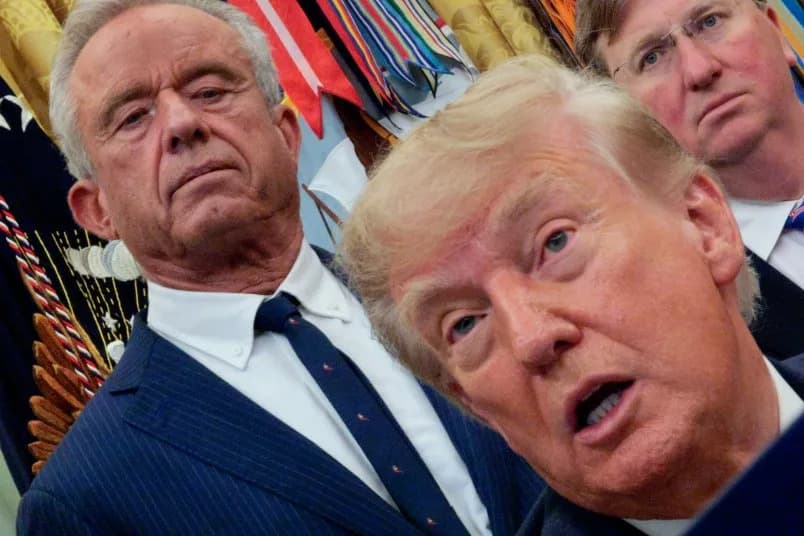
The WHO has raised serious scientific and ethical objections to a US-funded hepatitis B vaccine trial in Guinea-Bissau that would withhold the established birth-dose vaccine from some newborns. The agency defended the birth dose as a proven, decades-old intervention that prevents 70–95% of mother-to-child transmissions. Guinea-Bissau has suspended the study pending further review, and the WHO has offered technical support as the country decides next steps amid wider shifts in US vaccine policy.
WHO Warns Trial That Would Withhold Hepatitis B Birth Dose From Newborns in Guinea-Bissau
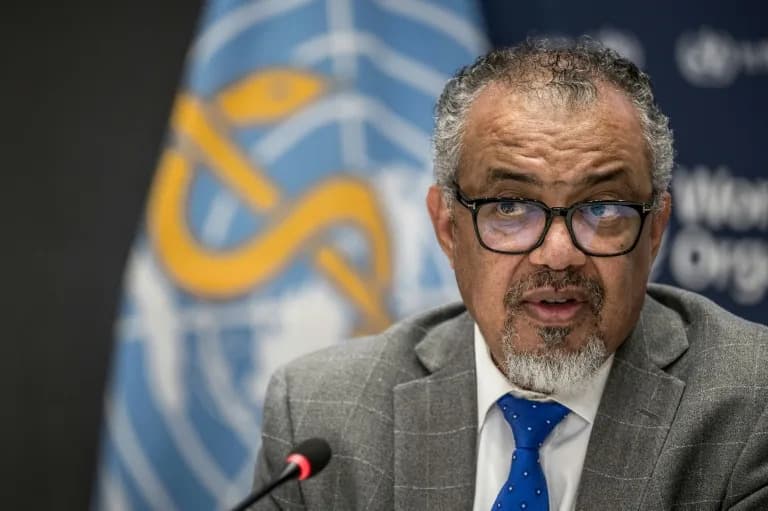
WHO chief Tedros Adhanom Ghebreyesus has already branded the planned trial 'unethical' (Fabrice COFFRINI)(Fabrice COFFRINI/AFP/AFP)
The World Health Organization on Friday voiced serious scientific and ethical concerns about a proposed US-funded hepatitis B vaccine trial targeting newborns in junta-run Guinea-Bissau. The WHO said the study — which, as proposed, would withhold the established birth-dose vaccine from some infants — raises “significant concerns” about both its justification and its design.
WHO Defends Birth-Dose Vaccine
The agency emphasised that the hepatitis B birth dose is an “effective and essential” public health intervention with a long safety record. "It prevents life-threatening liver disease by stopping mother-to-child transmission at birth," the WHO said, noting the vaccine has been used for decades and is included in the national schedules of more than 115 countries.
Scientific and Ethical Objections
WHO officials said the proposed trial lacks sufficient scientific justification and that its design risks substantial bias. They warned that giving a proven, life-saving intervention to some newborns while withholding it from others could expose infants to "potentially irreversible harm." The WHO reiterated a basic ethical principle: placebo or no-treatment trials are acceptable only when no proven intervention exists or when withholding treatment is indispensable for compelling scientific reasons — conditions the agency says do not apply here.
"WHO has significant concerns regarding the study's scientific justification, ethical safeguards, and overall alignment with established principles for research involving human participants," the statement said.
Context and Next Steps
Guinea-Bissau — a country with high hepatitis B prevalence — decided in 2024 to add the birth dose to its national immunisation schedule, with routine introduction planned by 2028. The government has suspended the US-funded study pending further technical review, and the WHO offered technical support as Guinea-Bissau evaluates the proposal and accelerates planned vaccine deployment.
Hepatitis B causes hundreds of thousands of deaths globally each year, and mother-to-child transmission at birth is a leading route to lifelong infection. The WHO noted the birth dose prevents an estimated 70–95% of mother-to-child transmissions when administered at birth and emphasised the vaccine’s multi-decade record of safety.
Broader Political Background
The WHO’s statement comes after an advisory panel appointed by US health chief Robert F. Kennedy Jr. voted two months earlier to stop recommending universal newborn hepatitis B vaccination in the United States — a move that has provoked controversy in the medical community. Since Kennedy’s appointment by President Donald Trump, the US government has initiated a major overhaul of vaccine policy; in January 2025 the United States submitted a one-year withdrawal notice to the WHO.
The WHO has said it knows of "no underpinning evidence" to suggest safety concerns with the hepatitis B vaccine, which has been in use globally for more than 40 years. The agency continues to urge that trials adhere to international ethical standards and only proceed when scientifically and ethically justified.
Help us improve.