Politics and weather are reshaping the U.S. ski season. Rising political tensions and rhetoric have prompted many Canadians to cancel cross-border trips, hitting border resorts and towns that depend on Canadian visitors. Heavy snowfall in the eastern U.S. has softened losses for some resorts, while western areas face a severe snow drought and steeper declines. Officials cite sharp drops in crossings and arrivals, and resorts are using incentives and diversification to blunt the impact.
Missing Canadians and ‘White Gold’: How Politics and a Snow Drought Are Reshaping the U.S. Ski Season
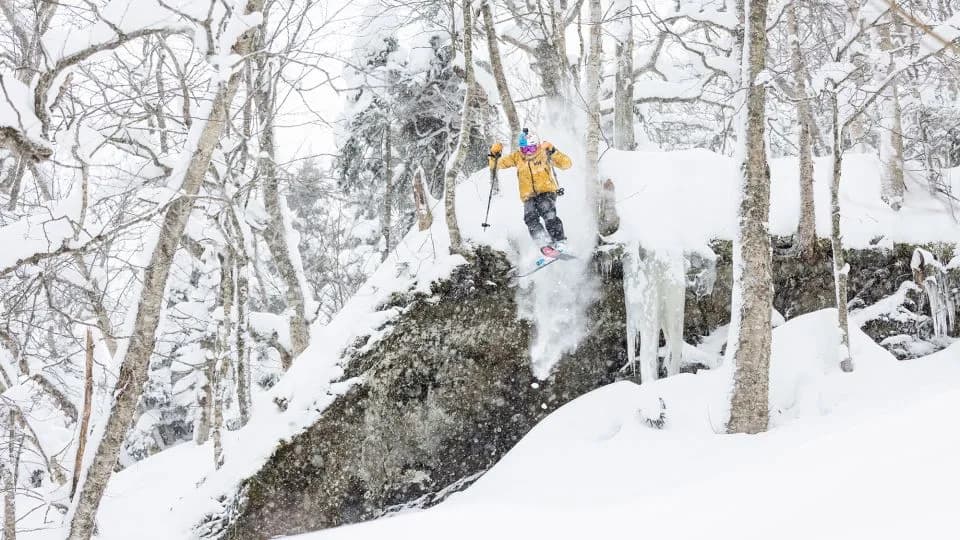
Jay Peak Resort in northern Vermont, above, is seeing epic snowfall this season but fewer Canadian skiers. The resort near the Canadian border relies heavily on Maple Leaf visitors. - Courtesy Jay Peak
Steven Wright realized the problem months before the first snow fell. The owner of Jay Peak, a ski resort in northern Vermont about nine miles from the Canadian border, learned last summer that many Canadian season-pass holders planned to skip the 2025–2026 season — and not just his property — amid escalating political tensions between the United States and Canada.
Border Economies Take a Hit
Jay Peak, which has 81 trails and relies on roughly half its revenue from Canadian visitors, is a vivid example of how cross-border rhetoric can ripple through local economies. Wright says his summer calls with hundreds of Canadian pass holders repeatedly referenced President Trump’s comment calling Canada the “51st state.” Many told him they could not, in good conscience, travel to the U.S.
“I called hundreds of season pass holders, and to a house, they mentioned the ‘51st state’ thing,” Wright said. “Many were choking up over the fact that they just couldn't, in good conscience, come to the States.”
The impact is broader than lift tickets: Jay Peak hosts hockey tournaments that generate millions each year, supports a dozen restaurants, conference space and wedding business — all closely tied to Canadian visitors.
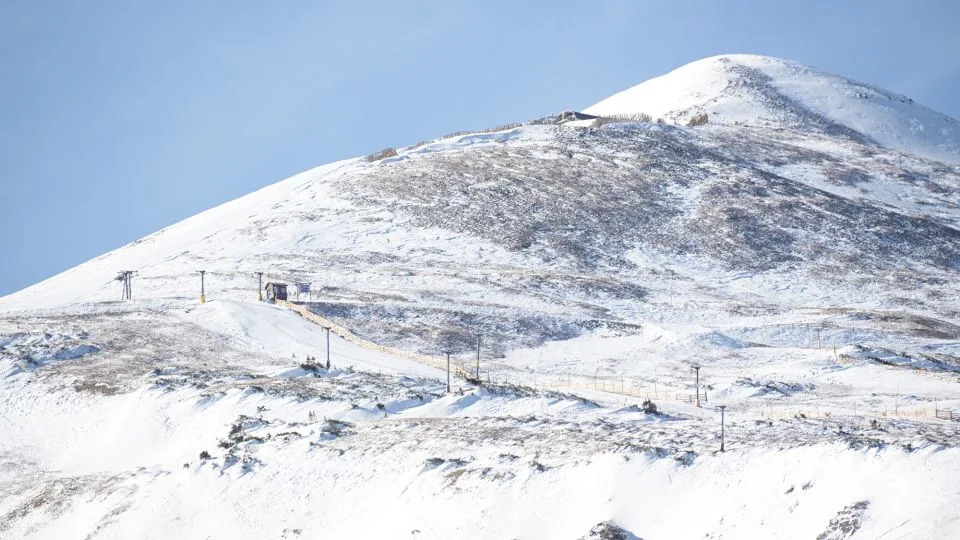
Vail Resorts, which operates the Breckenridge Ski Resort in Colorado, above, and dozens more resorts, reported a 20% drop in skier visits this year, partly because of the snow drought in the West. - Hyoung Chang/Denver Post/Getty Images
The Season Is Split: East Versus West
Snowfall has been wildly uneven. The eastern U.S. experienced blockbuster snowfall this season — what some operators call “white gold” — which has drawn American skiers and softened losses from fewer Canadian guests. In contrast, many western resorts face a significant snow drought and steep declines in visits.
Wright says Jay Peak is currently down only about 10–15% after an initially steeper falloff, crediting heavy snow with mitigating much of the damage. “What happens when that snow melts?” he asked.
Numbers and Trends
Official statistics point to a clear reduction in cross-border travel. Statistics Canada reported that monthly counts of Canadians returning by car from the U.S. were down across 2025 compared with 2024, with December down about 30% year‑over‑year. The U.S. National Travel and Tourism Office recorded nearly a 22% decline in visitor arrivals from Canada through November 2025 versus 2024, while overall international arrivals to the U.S. fell roughly 5.4% in the same period.
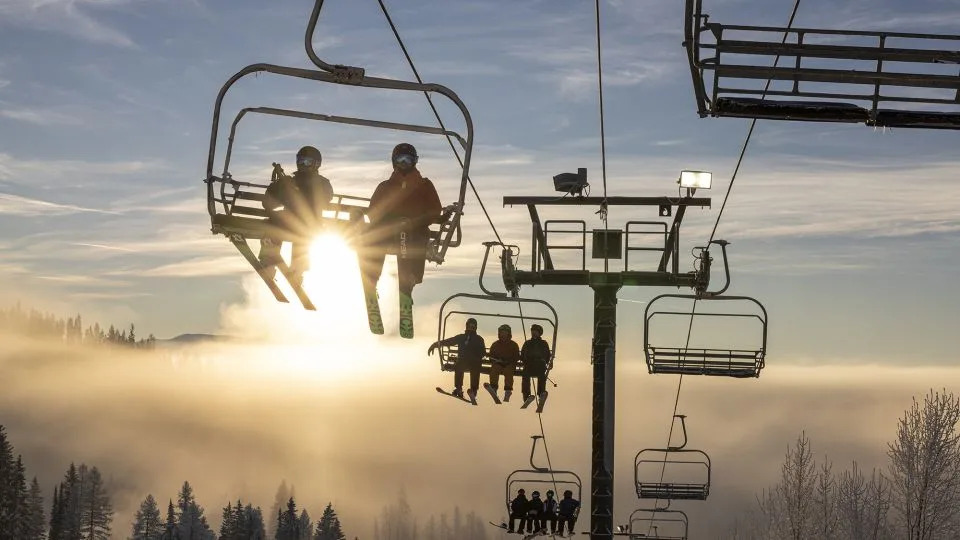
There hasn't been a drastic drop in Canadian customers at Whitefish Mountain Resort in Montana, resort officials say, but local travel statistics show a 25% drop in visits by Canadian tourists. - GlacierWorld.com
Canada remains the largest source of international visitors to the U.S.: more than 20 million Canadians visited in 2024, generating about $20.5 billion in spending, according to the U.S. Travel Association.
West: Snow Shortage and Steep Drops
Vail Resorts — which operates roughly three dozen ski areas across the continent — reported a 20% decline in skier visits so far this season and said western snowfall in November and December was about 50% below the 30‑year average. Data firm Inntopia reported Canadian bookings at western resorts fell 41% last month.
How Resorts Are Responding
Resorts have diversified over the years: indoor water parks, year‑round amenities, expanded summer programming and snowmaking help offset natural variability. Some places report only modest effects because they draw fewer Canadians; Smugglers' Notch in Jeffersonville, Vermont, for example, reported strong local snow and robust domestic demand despite a dip in Canadian bookings.
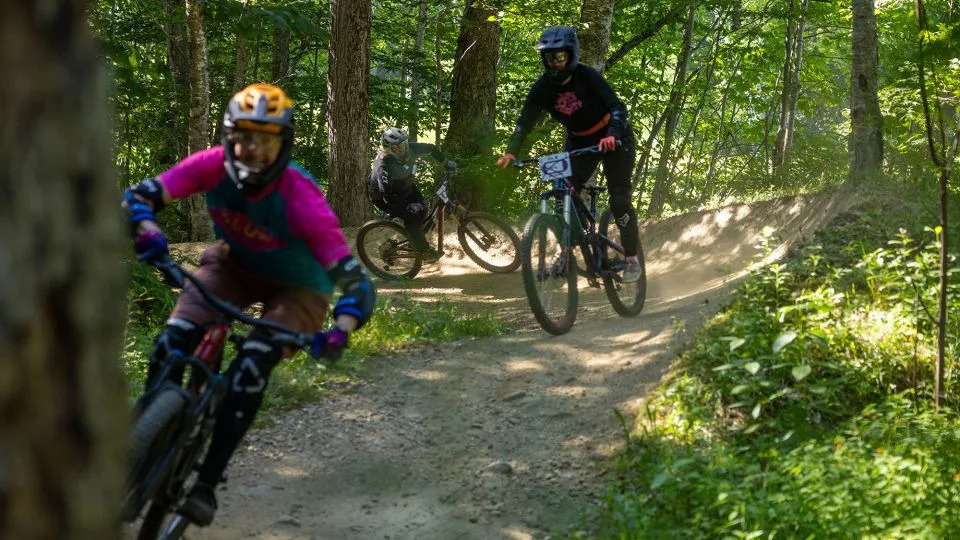
Canadian mountain bikers typically flock to Killington Resort in Vermont during the summer. But the tensions between the US and Canada convinced many to stay home last year. - Austin Roussel/Killington Resort
Other towns are experimenting with financial incentives — from accepting Canadian dollars “at par” to offering discounts and special events (like Vermont Mountain Bike Association’s “Canadians Ride Free Day”) — to coax visitors back.
Local Stories
Whitefish, Montana, where many visitors come from Alberta, saw Canadian visitation fall nearly 25% in 2025, according to Explore Whitefish. In Vermont, border crossings by car fell about 27% in 2025; tourism makes up nearly 10% of the state’s GDP. Killington reported a double‑digit summer decline in Canadian mountain bikers last year but used promotions to win some back.
Outlook
Business leaders say political rhetoric is a major factor, alongside a weaker Canadian dollar and other economic considerations. Many expect travel ties to heal over time, but local operators warn of a lingering "long tail" of reduced travel. As Wright put it: if Canadians stop coming, it hurts winter and summer schedules — and the cross-border matchups that sustain many border communities.
Sources: Interviews with resort operators and local officials; Statistics Canada; U.S. National Travel and Tourism Office; U.S. Travel Association; company releases from Vail Resorts; data from Inntopia and local tourism boards.
Help us improve.