Senior enlisted leaders from all U.S. services told a Senate subcommittee that access to health care — especially appointment shortages and Tricare reimbursement issues — is the top complaint from troops. Lawmakers also focused on persistent child-care shortfalls, with about 7,800 children on waitlists at the end of 2025 and roughly 50% attrition among child-care staff. Service leaders say pay-scale changes are underway and have reduced waitlists, but significant unmet need remains (about 2,700 in the Air Force and some services still have 1,400 waiting).
Top Enlisted Leaders: Health Care Access Is Troops’ Biggest Complaint — Child-Care Shortfalls Persist

Access to health care is a top complaint among enlisted troops, their leaders say. (Pexels.com via DVIDS)
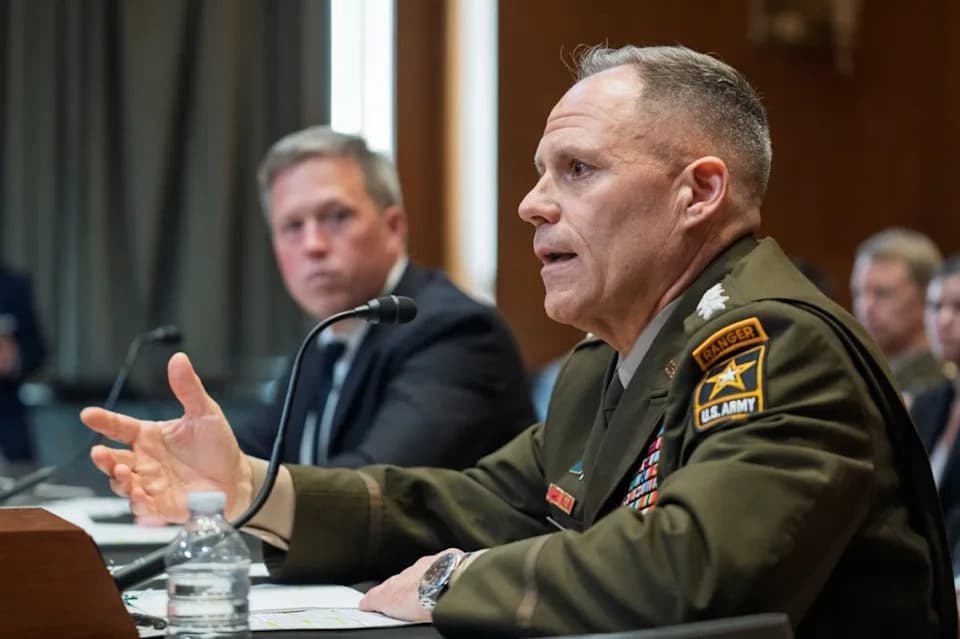
Senior enlisted leaders from the Air Force, Army, Marine Corps, Navy and Space Force told a Senate Armed Services personnel subcommittee that access to health care is the most frequent and serious complaint they hear from service members and their families.
Access Problems, Appointment Shortages and Tricare Issues
Chief Master Sergeant of the Air Force David Wolfe highlighted a shortage of available appointments and problems tied to Tricare reimbursement rates for community health-care providers. He warned of a long-term decline in the availability of care.
“What we’ve all seen over the length of our careers is a gradual erosion in the availability of that health care for our service members and their families,” Wolfe said.
Officials noted access problems are longstanding and were intensified in some areas after new Tricare contracts implemented last year.
Quality-of-Life Gaps at the Local Level
Chief Master Sergeant of the Space Force John Bentivegna stressed that despite investments in quality-of-life programs, many service members still see shortfalls at the local or "tactical" level.
“When you get down to the tactical level, there’s a gap. They’re not feeling it day to day… when they call to get an appointment. They’re not feeling it when they try to get child care,” Bentivegna said.
Child Care: Long Waitlists and Workforce Strain
Sen. Elizabeth Warren pressed leaders about persistent child-care waitlists, saying roughly 7,800 children were waiting for military child care at the end of 2025. She cited an attrition rate near 50% for workers in Military Child Development Centers and criticized delays in implementing statutorily required pay-scale upgrades.
Service leaders — including Wolfe and Master Chief Petty Officer of the Navy John Perryman — said they have used new authorities to raise pay scales and reported measurable progress in reducing waitlists. Perryman acknowledged that having about 1,400 children still waiting is unacceptable. Wolfe said the Air Force currently counts about 2,700 children with unmet child-care needs.
“We have moved out with the authorities. We are making significant progress in reducing our waitlist,” Perryman said.
Other Concerns: Mental Health, Barracks and Pay Uncertainty
The enlisted leaders also raised concerns about suicide and mental-health risks, the need for better barracks conditions, and anxiety among service members about pay if federal shutdowns occur.
Outlook
Leaders said the services and the Department of Defense are working to address these issues, with some progress on pay and staffing for child care and continued emphasis on improving access to health care. Still, senior enlisted leaders and lawmakers agreed substantial gaps remain that must be closed for families to feel the benefits in day-to-day life.
Help us improve.