Gallup will stop reporting approval and favorability ratings for named individual politicians after 88 years, a practice that began during Franklin D. Roosevelt’s presidency. The pollster says the change is a strategic refocus toward long-term, methodologically driven research such as the Gallup Poll Social Series and the World Poll. The announcement arrives amid a decline in President Donald Trump’s Gallup approval numbers and has prompted skepticism from journalists and commentators who question whether other pressures influenced the decision. Gallup denies external influence and says it will continue other core research programs.
Gallup Ends 88-Year Run Of Presidential Approval Ratings — Cites Strategic Shift, Sparking Debate
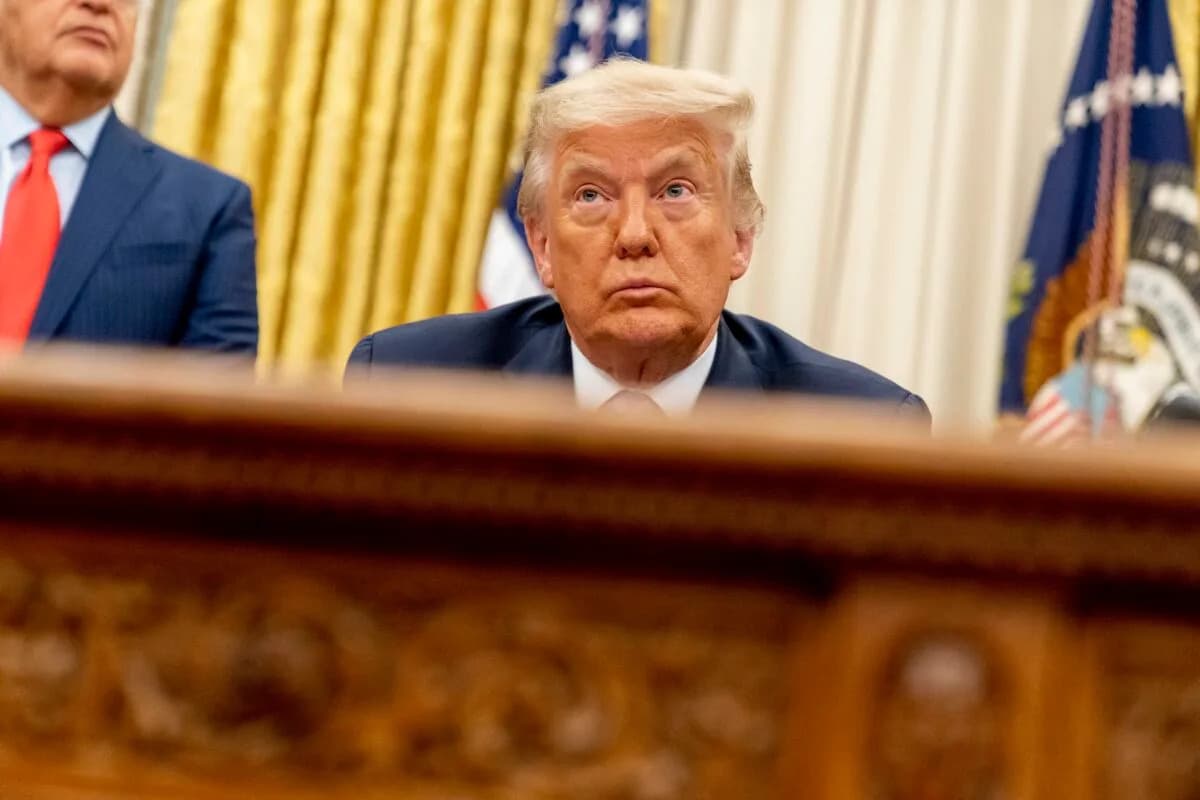
Trump
Gallup has announced it will stop publicly tracking approval and favorability ratings for named individual politicians, ending a polling tradition that began during Franklin Delano Roosevelt's administration nearly 90 years ago. The move, Gallup says, reflects a strategic refocus on long-term, methodologically driven research rather than continuous approval snapshots for specific officeholders.
What Gallup Said
In a statement reported by The Hill, Gallup said the change "reflects an evolution in how Gallup focuses its public research and thought leadership." A Gallup spokesperson added that the organization remains committed to "long-term, methodologically sound research on issues and conditions that shape people's lives," and pointed to ongoing programs including the Gallup Poll Social Series, the Gallup Quarterly Business Review and the World Poll.
"Our commitment is to long-term, methodologically sound research on issues and conditions that shape people’s lives. That work will continue through the Gallup Poll Social Series, the Gallup Quarterly Business Review, the World Poll, and our portfolio of U.S. and global research. This change is part of a broader, ongoing effort to align all of Gallup’s public work with its mission. We look forward to continuing to offer independent research that adheres to the highest standards of social science."
Context and Reaction
The announcement comes as President Donald Trump's approval ratings have declined in recent months. The Hill noted that "Trump's Gallup approval rating as of last December was among the lowest the organization had found since it began taking the poll in the 1930s." Reporters and commentators responded with surprise and skepticism, emphasizing the value of Gallup's uninterrupted long-term tracking and questioning whether other factors influenced the decision.
"It’s hard to believe this isn’t connected to Trump’s litigiousness, which is a threat to press freedom," wrote FIRE Executive Vice President Nico Perrino, citing past instances when the president sued or threatened legal action against pollsters.
When asked whether Gallup had received feedback from the White House or the current administration before the announcement, Gallup said the shift was "solely based on Gallup’s research goals and priorities." Media outlets including The Hill and Mediaite reported on the announcement and the ensuing debate.
What Will Continue
Gallup emphasized that it will continue conducting and publishing other major research programs — including the Gallup Poll Social Series, the Quarterly Business Review and the World Poll — and that its public-facing work will remain guided by established social-science standards.
Why it matters: Long-term, consistent approval polling provides historical comparison and trend data that reporters, researchers and the public rely on. Gallup’s decision changes one widely used public indicator of presidential standing and has prompted discussion about the future of public polling and transparency.
Sources: The Hill, Mediaite, Gallup statement.
Help us improve.