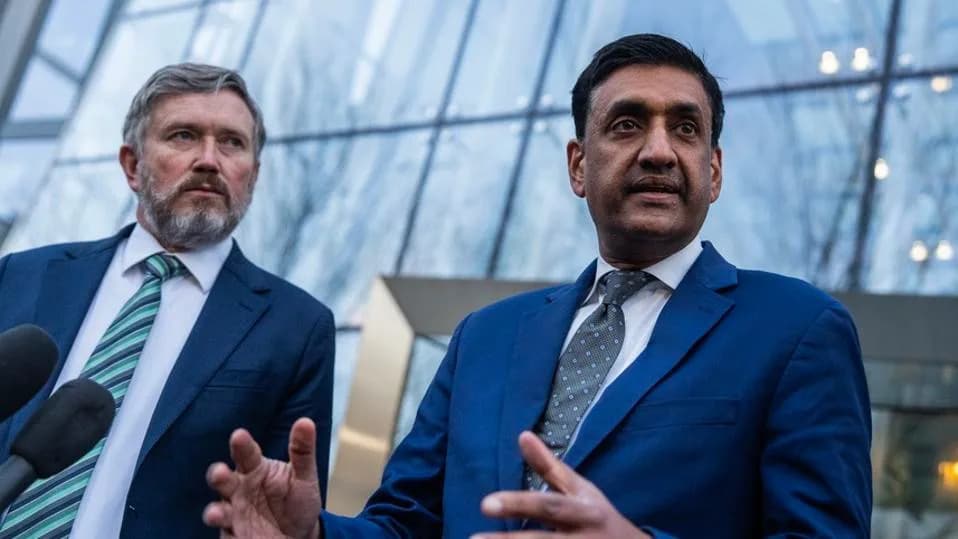
Rep. Thomas Massie accused Attorney General Pam Bondi of "criminal negligence" over the DOJ's handling of Jeffrey Epstein records, arguing that redactions have shielded alleged perpetrators while exposing alleged victims. Massie and Rep. Ro Khanna authored the Epstein Files Transparency Act, which forced the DOJ to publish those records in a searchable format. He cited examples—including a document listing 31 of 32 alleged victims unredacted and an initially redacted reference to Les Wexner—and urged the release of unredacted FD‑302 interview summaries to allow proper congressional and public oversight.
Massie Says Bondi's Handling Of Epstein Files Is 'Criminal Negligence' — Demands Unredacted FD‑302s
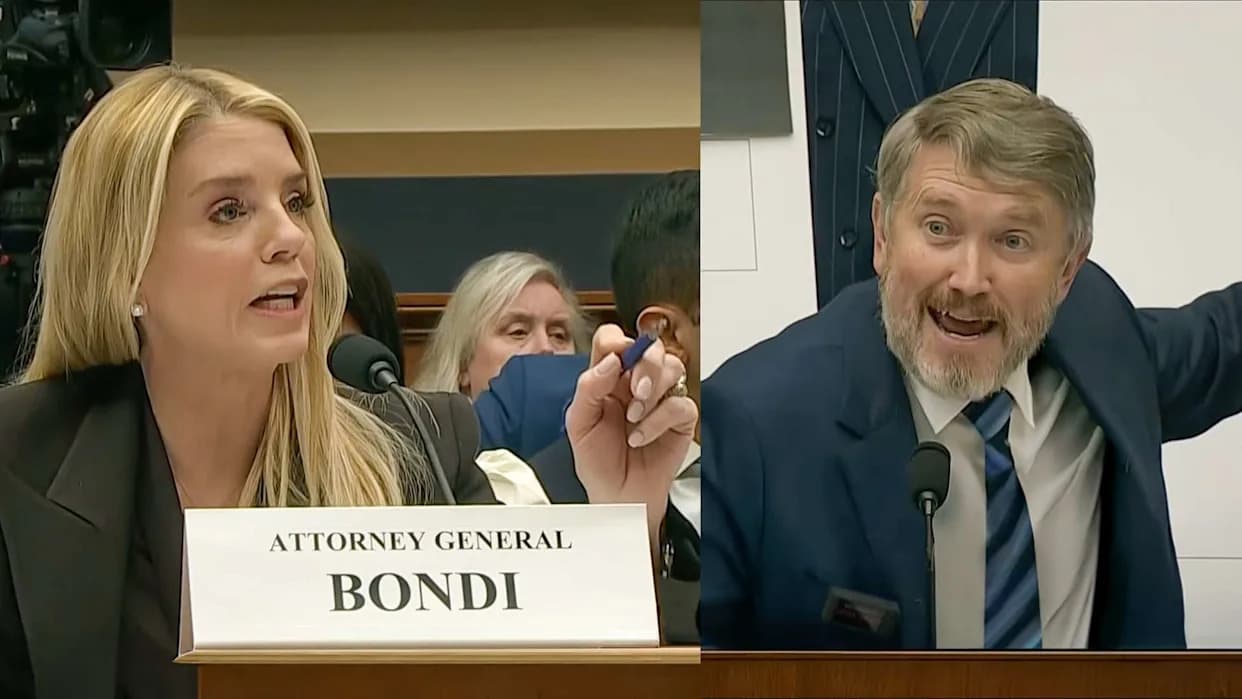
Massie Accuses Bondi of 'Criminal Negligence' in Epstein Release
Rep. Thomas Massie (R–Ky.) sharply criticized the Department of Justice's release of Jeffrey Epstein-related records, accusing Attorney General Pam Bondi of "criminal negligence" for sloppy redactions that, he says, protected alleged perpetrators while exposing alleged victims.
Background: Massie and Rep. Ro Khanna (D–Calif.) co-sponsored the Epstein Files Transparency Act, which compelled the DOJ to publish all unclassified records, documents, communications, and investigative materials related to the Epstein investigation in a searchable, downloadable format.
Massie's Charge: In a Reason podcast interview, Massie argued that the DOJ's redaction practices were so careless that they violated rules intended to protect victims' personal information. "It's criminal. She's broken the law," Massie said, adding that the asymmetrical redactions—in which accused individuals’ names are hidden while alleged victims' names are left visible—amount to "criminal negligence."
Examples Cited: Massie highlighted a document titled "Victims' Names," which he says contained 31 of 32 alleged victims unredacted. He also pointed to an FBI document that initially redacted financier Les Wexner's name as a possible coconspirator; after Massie and Khanna viewed an unredacted version and publicly identified Wexner, the DOJ subsequently disclosed his identity.
Context — Overclassification And Transparency: The episode underscores broader concerns about government overclassification and transparency. Sen. Rand Paul and others have criticized the executive branch for routinely overclassifying information, obstructing oversight. The National Archives reported that, in 2017, some 4 million clearance holders classified nearly 50 million documents at an estimated cost exceeding $18 billion.
What Massie Wants: Massie urged the removal of redactions on FD‑302s—the FBI summaries of witness and victim interviews—to give Congress and the public a clearer picture of what investigators found and how law enforcement handled the case. He says unredacted FD‑302s would help evaluate the merits and completeness of the investigations.
Congressional Exchange: Massie pressed Bondi on these issues during a congressional hearing following the Reason interview. Bondi pushed back, calling Massie a "failed politician" and accusing him of "Trump Derangement Syndrome."
Massie warned that repeated failures of transparency have left the public cynical: "I'm trying not to become apathetic...but I want to point out that [Americans] voted for four different administrations, and they're all part of the [Jeffrey Epstein] cover-up."
Takeaway: While the statutory requirement forced the DOJ to make Epstein files publicly searchable, Massie argues significant, problematic redactions remain. He and others are pressing for further releases of unredacted material—especially FD‑302s—to allow proper oversight and public understanding of the investigation's scope.
Watch More: For the full discussion and Massie's responses to critics who call his effort a "witch hunt," watch the complete Reason interview referenced in this report.
Help us improve.