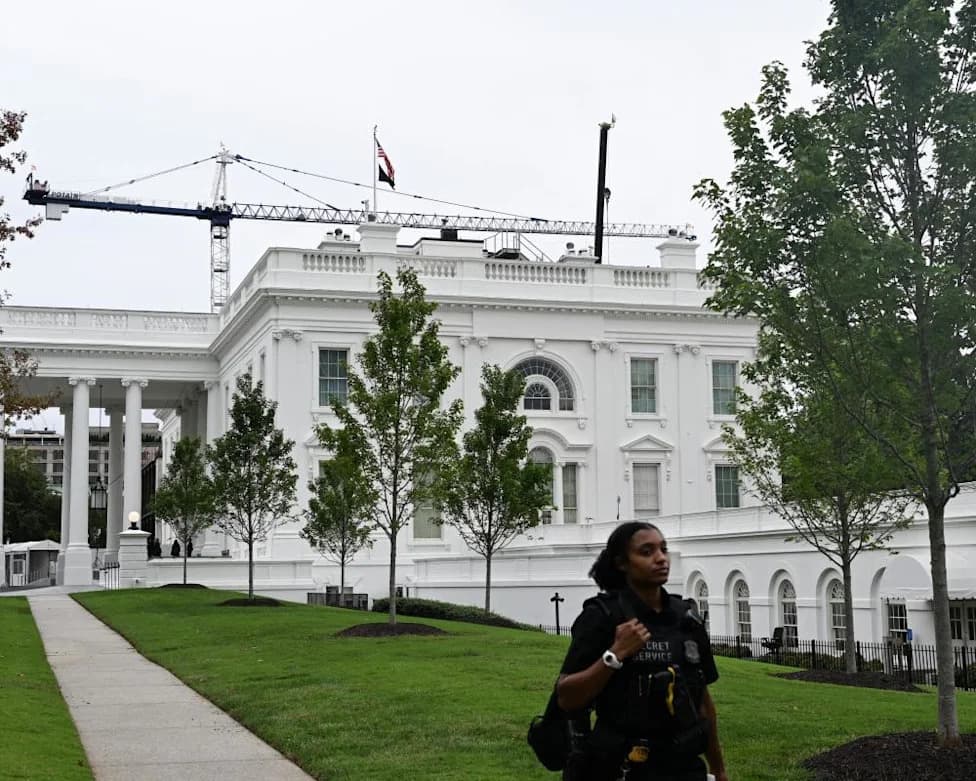
Tulsi Gabbard has shuttered the Director’s Initiatives Group (DIG), a temporary ODNI unit she created to handle high‑priority projects. The DIG produced reports that critics called politically charged and, according to sources, was dissolved after alleged errors — including a false link connecting a federal worker to pipe bombs before Jan. 6. Gabbard’s office says the unit was always temporary and staff were reassigned, but Congress has demanded a classified accounting and oversight scrutiny continues.
Tulsi Gabbard Shuts Down Controversial ODNI Task Force Amid Questions Over Political Motives
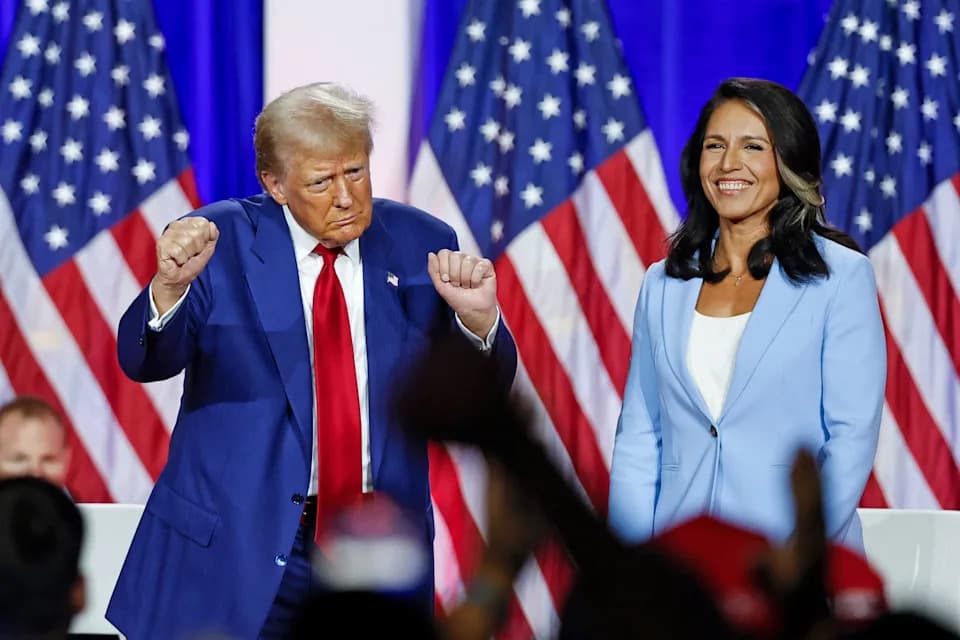
The Director's Initiatives Group had been accused of serving as a vehicle for the president's retribution campaign. The task force reportedly initially oversaw Gabbard’s investigation into Donald Trump’s debunked claims that the 2020 election was stolen until it was dissolved late last year. / Kamil Krzaczynski/Getty Images
Tulsi Gabbard, the director of national intelligence, has wound down the Director’s Initiatives Group (DIG), a temporary ODNI unit she created to pursue high-priority projects — a move that comes amid mounting criticism and oversight from lawmakers and reporters.
Background
Gabbard, 44, told Reuters that the DIG was always intended to be temporary and that its staff have been reassigned across the Office of the Director of National Intelligence. The unit was created under a stated mission to depoliticize intelligence work and to surge resources for near-term priorities, including Presidential Executive Orders.
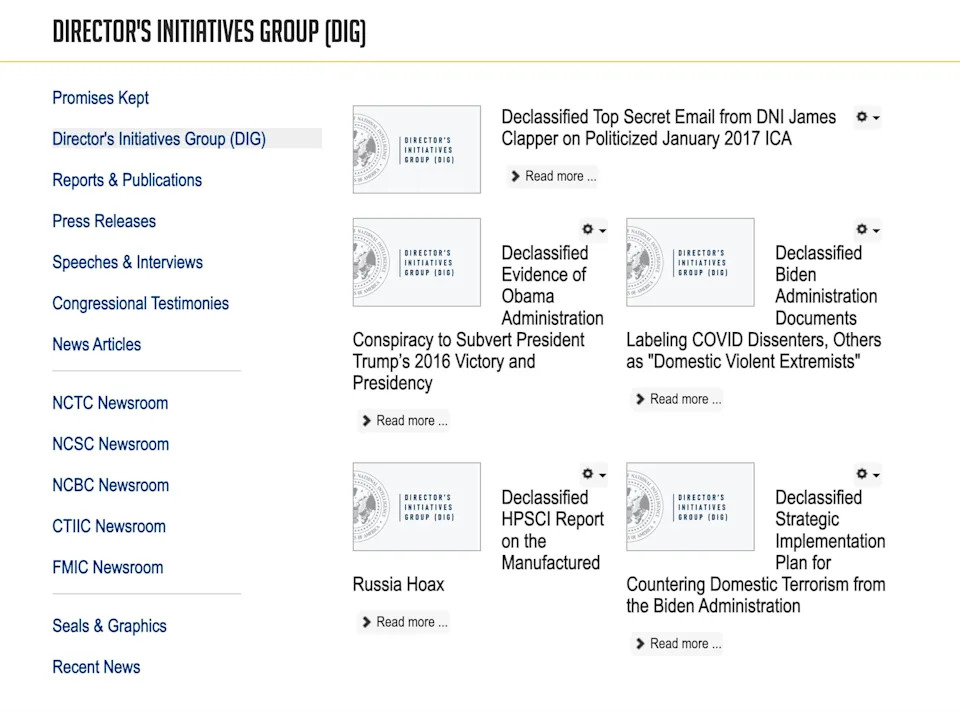
The ODNI website lists the DIG's reports, which attacked the probe into Russian interference in the 2016 election—labeled the
Controversy and Closure
Critics accuse the DIG of producing politically charged reports that attacked the investigation into Russian interference in the 2016 election and questioned the Biden administration’s handling of domestic terrorism. Two sources who spoke to Reuters said the DIG was dissolved after alleged missteps, including an instance in which the group reportedly — and incorrectly — linked a federal security worker to the placement of pipe bombs outside the Democratic National Committee and Republican National Committee headquarters in Washington, D.C., ahead of the Jan. 6 Capitol attack. The Guardian has also reported that the group was dissolved late last year following the alleged error.
“The Director’s Initiatives Group was created as a temporary effort to surge resources to deliver on high priority projects with near term deadlines, including Presidential Executive Orders,” Gabbard said in comments provided to the Daily Beast.
Congressional Scrutiny
Members of Congress raised concerns that the DIG operated with insufficient transparency. In December, Congress passed legislation requiring Gabbard to submit a classified report detailing the DIG’s leadership, staffing and hiring practices; Reuters and The Wall Street Journal reported Gabbard missed the deadline to deliver that report. Senator Mark Warner (D‑Va.), a leading figure on intelligence oversight, told Reuters the effort “seems to be just a pass for a witch hunt.”
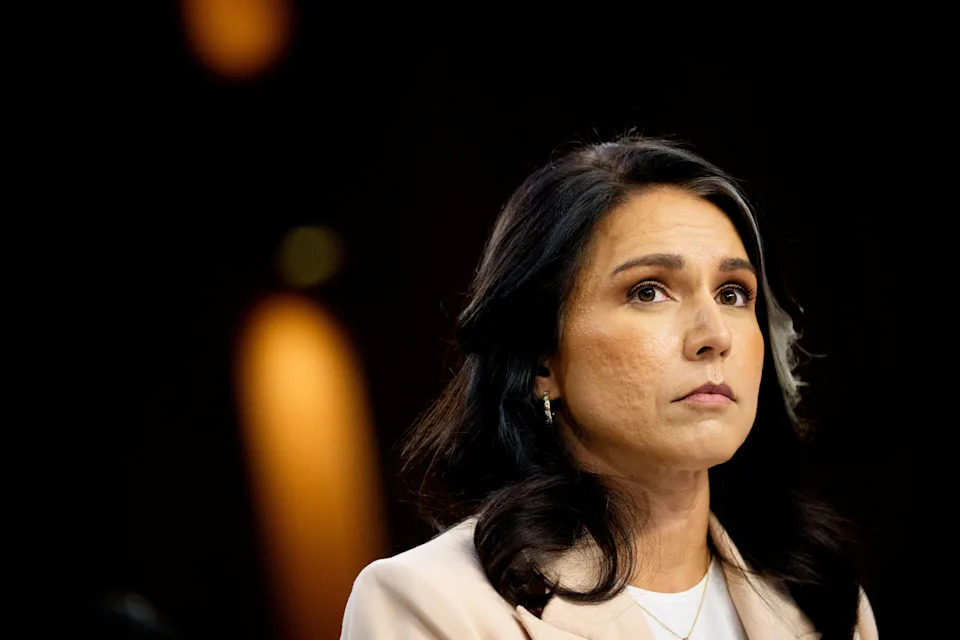
Last month, Gabbard appeared at an FBI raid on an election center outside Atlanta, Georgia, which housed ballots related to Trump’s 2020 electoral loss, infuriating Democrats who demanded an explanation. / Andrew Harnik/Getty Images
Related Investigations and Public Actions
The DIG initially oversaw Gabbard’s probe into claims about vulnerabilities in voting machines tied to former President Donald Trump’s disputed 2020 election allegations. Gabbard has also faced scrutiny over her handling of a whistleblower complaint and the seizure of election‑related voting machine data.
Even after the DIG was shuttered, Gabbard continued to engage in election-related activities. Last month she appeared during an FBI search of an election center outside Atlanta — a visit she later said “was requested by the President.” Former President Trump, however, said the next day he had no idea why she attended, drawing additional attention and bipartisan criticism.
What Comes Next
Gabbard’s office insists the DIG’s dissolution was planned and procedural, but oversight questions remain: Congress wants more detail about the unit’s operations, and watchdogs and reporters are likely to continue probing the DIG’s work and its role in contentious election-related inquiries. The episode raises broader questions about the politicization of intelligence work and how temporary task forces should be governed and overseen.
Help us improve.