The heads of ICE, CBP and USCIS testified for more than three hours before the House Homeland Security Committee amid scrutiny of a Trump-era deportation push and two recent Minneapolis deaths. Lyons and Scott repeatedly declined detailed comment about the killings of Renee Good and Alex Pretti, citing active investigations, and pledged to share findings with Congress once probes conclude. Democrats compared some enforcement tactics to historic authoritarian regimes, while Republicans defended agency actions and blamed prior administrations. The hearing highlighted deep partisan divisions as DHS budget negotiations continue.
Takeaways From a Contentious House Hearing With Trump-Era Immigration Chiefs
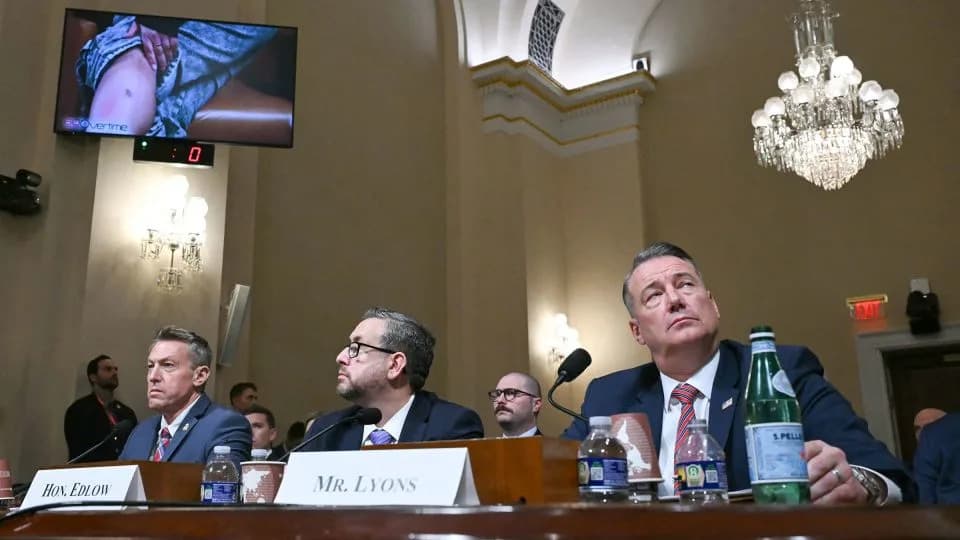
From left: US Customs and Border Protection Commissioner Rodney Scott, US Citizenship and Immigration Services Director Joseph Edlow and Acting ICE Director Todd Lyons testify during a House Committee on Homeland Security hearing on Tuesday. - Andrew Caballero-Reynolds/AFP/Getty Images
Top leaders from Immigration and Customs Enforcement (ICE), Customs and Border Protection (CBP) and U.S. Citizenship and Immigration Services (USCIS) faced intense questioning for more than three hours at a House Homeland Security Committee hearing as lawmakers pressed them over a renewed deportation push and two recent fatal shootings in Minneapolis.
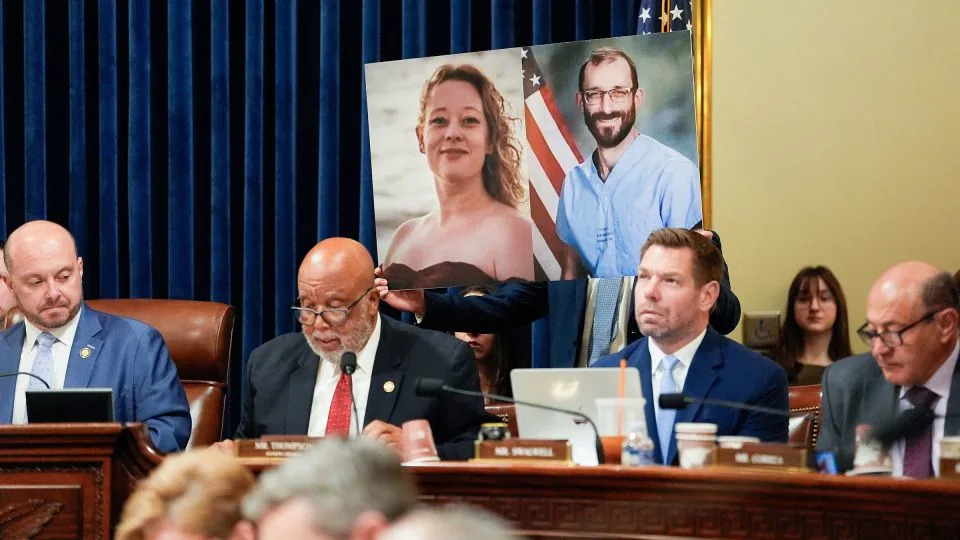
An aide holds images of Renee Good and Alex Pretti during a US House Homeland Security Committee hearing. - Kent Nishimura/Reuters
What Happened
ICE Acting Director Todd Lyons, CBP Commissioner Rodney Scott and USCIS Director Joseph Edlow testified before the committee, answering repeated questions about the nationwide immigration enforcement campaign and the deaths of Renee Good and Alex Pretti — incidents tied to officers overseen by ICE and CBP. Lyons and Scott repeatedly told lawmakers that the shootings remain under active investigation and pledged to provide Congress with the investigation findings once completed, but otherwise declined to discuss details because of the ongoing probes. Edlow drew relatively little attention during questioning.
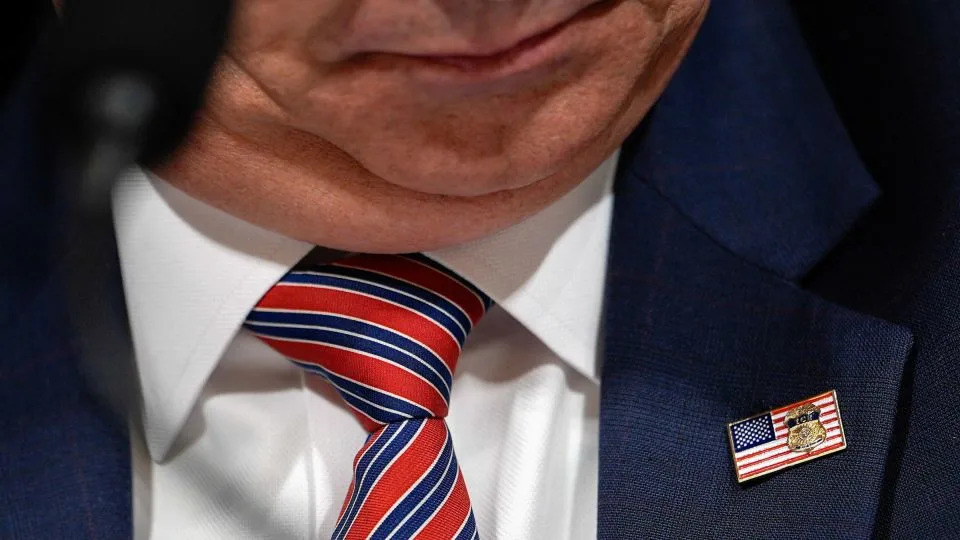
A pin with a depiction of an ICE badge superimposed on a US flag is seen in the lapel of Acting ICE Director Todd Lyons as he attends the hearing. - Kent Nishimura/Reuters
Key Exchanges and Lines of Questioning
Representative Eric Swalwell confronted Lyons over an earlier comment in which Lyons said he wanted to build a deportation system “as efficient as Amazon.” Swalwell pressed him with pointed comparisons to the Minneapolis deaths and asked whether Lyons would apologize to Good’s family for administration officials’ rapid characterization of her after her death; Lyons offered to speak privately with the family but refused to comment publicly about active investigations.
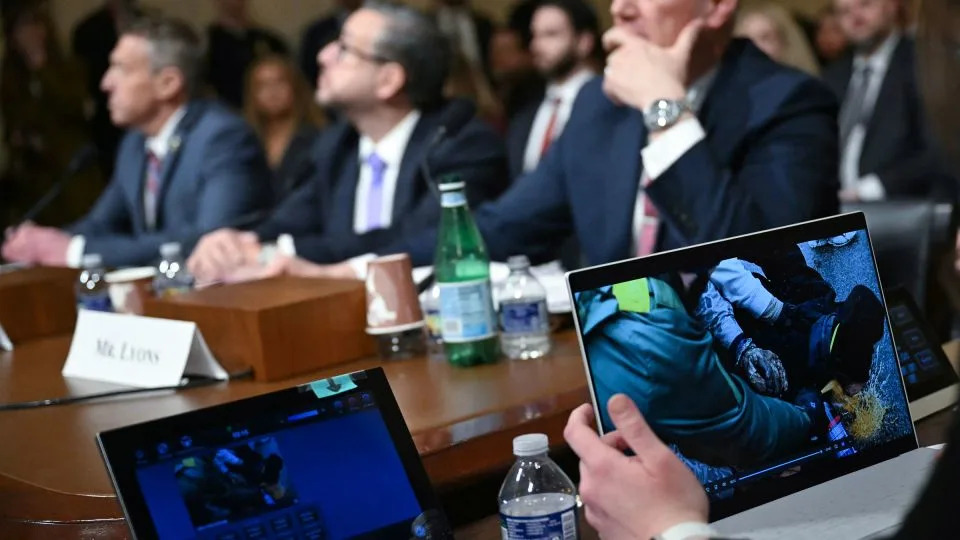
An image of federal agents using a chemical agent on a person is seen during the hearing. - Andrew Caballero-Reynolds/AFP/Getty Images
Democrats repeatedly drew comparisons to 20th-century authoritarian regimes — including Nazi Germany — during lines of questioning about identification and enforcement tactics. Lyons pushed back sharply on equating ICE officers with a Gestapo, calling that comparison wrong and encouraging members to study Holocaust history to understand the difference.

From left: US Customs and Border Protection Commissioner Rodney Scott, US Citizenship and Immigration Services Director Joseph Edlow and Acting ICE Director Todd Lyons arrive for a House Committee on Homeland Security hearing. - Andrew Caballero-Reynolds/AFP/Getty Images
Accountability, Investigations and Tactics
Both Lyons and Scott confirmed there are open inquiries into the conduct of officers in multiple incidents but declined to give specifics about internal investigations, including whether any personnel actions (such as firings) have been taken. Committee members cited footage from demonstrations and enforcement operations that reportedly shows agents shoving protesters, using less-lethal projectiles and deploying chemical irritants.
Republicans on the panel largely defended enforcement operations, criticized so-called "sanctuary" policies, emphasized arrests of immigrants described by DHS as the "worst of the worst," and blamed prior administrations for current immigration system strains. Democrats pressed for accountability and raised broader civil-liberties and oversight concerns. The hearing underscored sharp partisan divides as lawmakers negotiate the Department of Homeland Security budget.
Notable Moments
One exchange that drew attention came when Rep. LaMonica McIver asked Lyons about his religiosity and whether he thought he was "going to hell." The committee chair moved to cut off that line of questioning. Several members also questioned the optics and leadership decisions after the Minneapolis deaths and asked for clearer transparency on investigative timetables.
CNN reporter Holmes Lybrand contributed to coverage of the hearing. Many questions raised during the session remain open as investigations continue and the agencies prepare to provide their findings to Congress.
Help us improve.